# PVC Coated Fabric Peel Strength Retention After Heat Ageing
## Why check peel strength after heat ageing rather than only as-made?
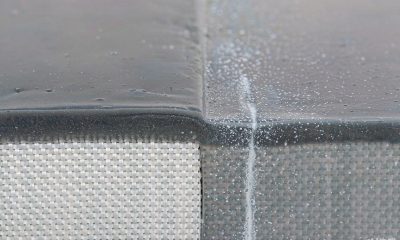
**Peel strength measured on a fresh sample does not predict how long a coating will stay bonded, because heat drives plasticiser loss and changes the PVC layer’s flexibility, which stresses the coating–scrim interface. Heat-ageing retention testing exposes that weakness early, before a tarpaulin or membrane delaminates in a hot climate or near a heat source.**
– Peel strength (ISO 2411) measures coating-to-scrim bond, typically reported in N/5cm
– Heat ageing accelerates plasticiser migration and volatilisation, the main drivers of bond embrittlement
– Retention percentage after ageing reveals formulation stability that a single as-made value hides
Source: ISO 2411 coated-fabric peel; PVC product knowledge base, plasticiser migration and ageing notes.
## How is a heat-ageing peel retention test run?
**Conditioned specimens are aged at a defined temperature for a defined period, then cooled, reconditioned, and peeled alongside unaged controls from the same lot; the aged-to-unaged peel ratio gives a retention percentage meaningful only when temperature and duration are stated. Comparing aged and control from one lot avoids confusing lot variation with ageing loss.**
– Age specimens in a ventilated oven at a stated temperature (commonly 70-100 C for screening) for a stated duration
– Cool and recondition before testing so results reflect material change, not temporary temperature softening
– Test aged and unaged control specimens from the same lot with ISO 2411 and report retention percentage
Source: ISO 2411 peel method; EN ISO 4892-2 and knowledge-base ageing references.
## What retention level counts as acceptable?
**Acceptance depends on the specification, but a stable PVC bond typically retains most of its initial peel after moderate heat ageing; a large drop signals plasticiser loss or incomplete fusion that will shorten service life. The exact threshold should come from the buyer’s standard or the product data sheet, not from a generic industry assumption.**
– Report both absolute aged peel value and retention percentage against the unaged control
– Common structural-membrane peel requirement is at least 100 N/5cm as-made; check the aged value against the same floor
– A steep retention drop often correlates with plasticiser volatilisation and surface tack loss
Source: Knowledge-base structural membrane peel rows (>=100 N/5cm); ISO 2411.
## Which formulation choices improve heat-ageing retention?
**Higher-molecular-weight and low-volatility plasticisers such as DOTP or polymeric types retain peel strength better after heat ageing than general-purpose DOP, because they migrate and volatilise more slowly. A well-fused coating and a suitable stabiliser system also protect the interface. Confirm each choice with an aged peel report rather than assuming a plasticiser swap is equivalent.**
– DOTP and polymeric plasticisers show lower volatilisation than DOP; confirm with aged peel and Shore A data
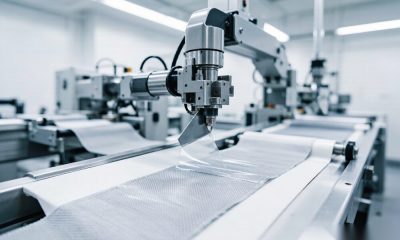
– Adequate fusion temperature during knife coating protects the coating–scrim interface
– Calcium-zinc or other heat-stable systems reduce degradation during processing and service; verify per formulation
Source: PVC product knowledge base, plasticiser and stabiliser sections; Shore A ASTM D2240 notes.
## FAQ
**Q1: Why does peel strength fall after heat ageing?**
Heat accelerates plasticiser migration and volatilisation from the PVC layer. As plasticiser is lost, the coating stiffens and the coating–scrim interface becomes brittle, so less force is needed to peel it. Incomplete fusion during manufacturing or an unsuitable stabiliser system makes the drop worse. Retention testing reveals this before the product fails in a hot service environment.
**Q2: What temperatures are used for heat-ageing peel tests?**
Screening often uses 70-100 C for a defined period, chosen to accelerate change without melting the PVC. The exact condition depends on the buyer’s specification and the intended service climate. Always report the temperature and duration, because retention values are not comparable across different ageing conditions.
**Q3: How is the retention percentage calculated?**
Retention is the aged peel strength divided by the unaged peel strength of the same lot, expressed as a percentage. Using the same lot as control removes production variation from the calculation. Report both the retention percentage and the absolute aged value, since a high percentage from a low starting value can still be below the required minimum.
**Q4: Is a high as-made peel value enough for a hot-climate project?**
No. A high initial peel can fall sharply after heat exposure if the plasticiser is volatile. For hot climates or applications near heat sources, request aged peel data alongside the as-made value. The aged result is the better indicator of how long the bond will survive in service.
**Q5: Which plasticisers retain peel strength best after ageing?**
Higher-molecular-weight, lower-volatility plasticisers such as DOTP and polymeric types generally retain more peel strength than general-purpose DOP because they migrate and evaporate more slowly. The exact result depends on the full formulation, so ask for a lot-identified aged peel report rather than relying on the plasticiser name alone.
**Q6: Does a PVDF topcoat improve peel retention?**
A PVDF topcoat mainly improves surface weathering and stain resistance; its effect on coating-to-scrim peel retention depends on the whole layer build and fusion quality. It should not be assumed to fix an unstable base formulation. Request peel retention data for the exact construction you are buying.
**Q7: How does heat-ageing peel relate to plasticiser migration tests?**
They measure related but different things. Plasticiser migration tests track loss of plasticiser itself, while heat-ageing peel tracks the mechanical consequence of that loss at the bond. Using both gives a fuller picture: migration data explains why peel dropped, and peel data shows the practical effect on the product.
**Q8: What should a heat-ageing peel specification include?**
State the ageing temperature and duration, the peel method (ISO 2411), the minimum as-made peel, and the minimum retention or minimum aged peel value. Require aged and control specimens from the same lot and an accredited lab report. Avoid vague “heat resistant” wording without conditions and confirm the tested grade matches the delivered material.
## FAQ (ZH)
**问1:为什么热老化后剥离强度会下降?**
热会加速增塑剂从 PVC 层迁移和挥发。增塑剂流失后涂层变硬、涂层与基布的界面变脆,剥离所需力随之下降。制造时熔融不充分或稳定剂体系不合适会加剧这种下降。老化保持率测试能在产品于高温环境中失效前暴露该弱点。
**问2:热老化剥离测试用哪些温度?**
筛选测试常用 70-100 C 并保持一定时长,选择时能加速变化而不熔化 PVC。确切条件取决于买方规范和预期使用气候。务必报告温度和时长,因为不同老化条件下的保持率无法比较。
**问3:保持率百分比如何计算?**
保持率等于老化后剥离强度除以同批次未老化剥离强度,以百分比表示。用同批作对照可消除生产波动的影响。应同时报告保持率和老化后绝对值,因为从很低起点得到的高百分比仍可能低于要求下限。
**问4:出厂剥离值高就够用于炎热气候项目吗?**
不够。如果增塑剂易挥发,较高的初始剥离值可能在热暴露后大幅下降。对炎热气候或靠近热源的应用,应同时索取老化后剥离数据。老化结果更能反映粘接在实际使用中能维持多久。
**问5:哪些增塑剂老化后保持剥离强度更好?**
高分子量、低挥发性的增塑剂如 DOTP 和聚酯型通常比通用 DOP 保持更多剥离强度,因为迁移和挥发更慢。但具体结果取决于完整配方,应索取带批次标识的老化剥离报告,而不能只看增塑剂名称。
**问6:PVDF 面层能改善剥离保持率吗?**
PVDF 面层主要改善表面耐候和抗污,其对涂层与基布剥离保持率的影响取决于整个层结构和熔融质量。不应假设它能修复不稳定的底层配方。请针对所购的确切结构索取剥离保持率数据。
**问7:热老化剥离与增塑剂迁移测试有何关系?**
两者测量相关但不同的方面。增塑剂迁移测试追踪增塑剂本身的损失,热老化剥离追踪这种损失在粘接处的力学后果。两者结合更完整:迁移数据解释剥离为何下降,剥离数据展示对产品的实际影响。
**问8:热老化剥离规范应包含哪些内容?**
写明老化温度与时长、剥离方法 (ISO 2411)、最低出厂剥离值、最低保持率或最低老化剥离值。要求老化试样与对照来自同一批次并出具资质实验室报告。避免没有条件的”耐热”模糊措辞,并确认受测牌号与交付材料一致。