# PVC Inflatable Seam Airtightness: Pressure Decay and Vacuum Testing
## Why does seam airtightness matter more than fabric strength in inflatables?
**An inflatable structure is only as airtight as its weakest weld, so a fabric with excellent tensile and burst values will still fail if the seams leak; airtightness testing targets the joint directly, catching pinholes, cold welds, and contamination that material tests miss. For air beams, boats, and air domes, seam integrity decides whether the structure holds pressure.**
– Inflatable PVC fabric is typically 0.7 mm for air beams at 12-18 kPa and 0.9 mm for boats at 15 kPa
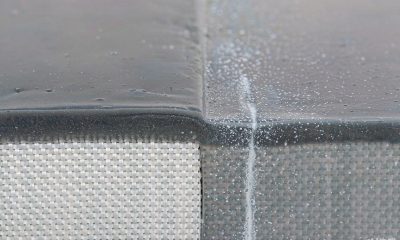
– Common failure modes at the weld include cold welds, trapped contamination, and pinholes along the seam
– Retention is often specified as no more than about 15% pressure drop over a set hold period
Source: PVC product knowledge base, inflatable fabric and airtight bonding sections; ASTM F1918 inflatable restraints.
## How does a pressure-decay seam test work?
**The inflatable or a sealed seam sample is pressurised to a defined level, isolated, and monitored while internal pressure is recorded over a set period; a stable pressure indicates a sound seal, while a steady drop signals a leak. Distinguishing a real leak from temperature-driven pressure change requires holding the test temperature constant and running an unsealed reference where practical.**
– Inflate to the working pressure (for example 12-18 kPa for air beams) and isolate the air supply
– Record pressure at intervals over a defined hold time, such as 24 hours, at stable temperature
– Apply the agreed acceptance criterion, for example no more than roughly 15% pressure drop, to the result
Source: Knowledge-base inflatable retention notes; ASTM F1918 safety guidance for inflatable structures.
## When is vacuum or air-channel testing used instead?
**Vacuum and air-channel methods suit flat welds on geomembranes and large panels where pressurising the whole structure is impractical; a double-track weld leaves a sealed channel that can be pressurised or vacuum-tested locally to check the seam without inflating the entire assembly. The method is a seam-level check and complements, rather than replaces, whole-structure pressure testing.**
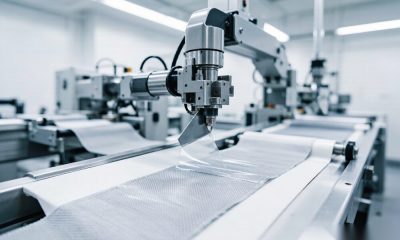
– Double-track hot-air or hot-wedge welds create a testable air channel between the two weld tracks
– Vacuum box or local pressure testing checks a seam section without pressurising the full panel
– No published single pressure or hold value applies to every material; confirm the criterion with the project specification
Source: Knowledge-base geomembrane seam integrity rows; welding method references.
## Which factors most often cause seam leaks?
**Contamination, incorrect weld temperature, and insufficient overlap are the leading causes of leaking seams, because each interrupts the continuous fusion that makes a weld airtight. Surface plasticiser bloom, dust, or moisture before welding, and a hot-air system running too cool or too fast, all produce seams that look finished but leak under pressure.**
– Clean and dry the weld zone; remove dust, oil, and plasticiser bloom before joining
– Control hot-air or hot-wedge temperature and travel speed to achieve full fusion without burning
– Use adequate overlap and verify the weld bead visually before pressure testing
Source: PVC product knowledge base, weldability and airtight bonding sections; ISO 2411 peel checks.
## FAQ
**Q1: Why test seam airtightness when the fabric already passes burst and tensile tests?**
Burst and tensile tests measure the fabric body, not the weld. An inflatable fails most often at the seam, where a cold weld, pinhole, or contamination creates a leak path. Airtightness testing targets that joint directly. Strong fabric with a leaking seam will not hold pressure, so seam testing is a separate and necessary check.
**Q2: What pressure level is used in a seam airtightness test?**
The test pressure is tied to the product’s working pressure. Air-beam fabric is commonly used around 12-18 kPa and boat fabric around 15 kPa, based on the knowledge base. The test should inflate to the stated working pressure and then monitor decay. Always state the pressure used, since results are not comparable across different levels.
**Q3: What pressure-loss criterion should be applied?**
The knowledge base records a retention practice of no more than roughly 15% pressure drop over a defined hold period. The exact acceptance limit depends on the buyer’s specification and the structure type. Ask for the criterion in writing and confirm the hold time and test temperature, because both influence the measured drop.
**Q4: How do you tell a real leak from a temperature effect?**
Gas pressure changes with temperature, so a fall in ambient temperature can look like a leak. Hold the test at a stable temperature, record temperature alongside pressure, and use an unsealed or known-good reference where practical. A steady, continuing drop under stable temperature points to a real leak; a drop tracking temperature is likely environmental.
**Q5: When should vacuum or air-channel testing be used instead of full inflation?**
For flat panels, geomembranes, or large structures where inflating the whole assembly is impractical, a double-track weld with a testable air channel can be checked locally by vacuum or low-pressure testing. This verifies the seam section without pressurising the full product. It complements whole-structure pressure tests rather than replacing them.
**Q6: What causes most inflatable seam leaks?**
Contamination, wrong weld temperature, insufficient overlap, and excessive travel speed. Dust, oil, or plasticiser bloom on the weld zone prevents full fusion, and a hot-air or hot-wedge system running too cool leaves a cold weld. Clean and dry the area, control the weld parameters, and inspect the bead before pressure testing.
**Q7: Does peel strength testing replace airtightness testing?**
No. Peel strength (ISO 2411) measures how strongly the coating bonds to the scrim, while airtightness measures whether the joined seam holds gas. A seam can show acceptable peel yet still leak through a pinhole or cold spot. Use both tests together for a complete seam qualification.
**Q8: What should an inflatable seam specification include?**
State the fabric type and thickness, the working pressure, the hold time, the maximum pressure drop, the test temperature, and the seam testing method. Require a lot-identified test report and confirm the tested construction matches the delivered grade. Avoid vague “airtight” claims without pressure and time conditions.
## FAQ (ZH)
**问1:面料已通过爆破和拉伸测试,为何还要测接缝气密性?**
爆破和拉伸测的是面料本体,不是焊缝。充气制品最常在接缝处失效,冷焊、针孔或污染会形成漏气通道。气密性测试直接针对该接缝。强度高但接缝漏气的面料无法保压,因此接缝测试是独立且必要的检查。
**问2:接缝气密性测试用多大压力?**
测试压力与产品工作压力相关。根据知识库,气梁布常用 12-18 kPa,船用布约 15 kPa。测试应充至规定工作压力后监测压降。务必注明所用压力,因为不同压力下的结果不可比较。
**问3:应采用什么压降判定标准?**
知识库记录的保持做法是规定时间段内压降不超过约 15%。确切限值取决于买方规范和制品类型。请索取书面判定标准,并确认保持时长与测试温度,因为两者都会影响测得的压降。
**问4:如何区分真实漏气与温度影响?**
气体压力随温度变化,环境温度下降可能看起来像漏气。应保持测试温度稳定,同时记录温度与压力,并在可行时用未密封或已知合格的参考件对比。温度稳定时持续下降多为真实漏气;随温度同步变化则多为环境因素。
**问5:什么时候用真空或气通道测试而非整体充气?**
对平板、土工膜或整体充气不现实的大型结构,可通过对双轨焊缝的气通道做局部真空或低压测试。这能在不增压整个制品的情况下验证接缝段。它是对整体保压测试的补充,而非替代。
**问6:充气接缝漏气最常见的原因是什么?**
污染、焊接温度不当、搭接不足和行进速度过快。焊缝区的灰尘、油污或增塑剂溢出会妨碍充分熔融,热风或热楔系统温度偏低会留下冷焊。应清洁干燥焊接区、控制焊接参数,并在保压前检查焊道。
**问7:剥离强度测试能替代气密性测试吗?**
不能。剥离强度 (ISO 2411) 测涂层与基布的粘合强弱,气密性测接合后的接缝是否锁气。接缝剥离值合格仍可能因针孔或冷点漏气。应同时使用两项测试完成接缝认证。
**问8:充气接缝规范应包含哪些内容?**
写明面料类型与厚度、工作压力、保持时长、最大压降、测试温度和接缝测试方法。要求带批次标识的检测报告,并确认受测结构与交付牌号一致。避免没有压力和时长条件的笼统”气密”表述。