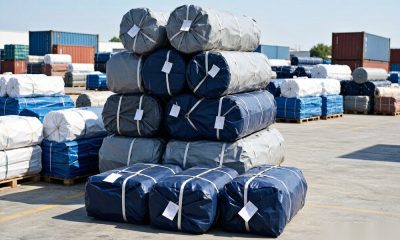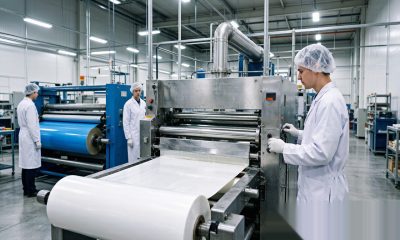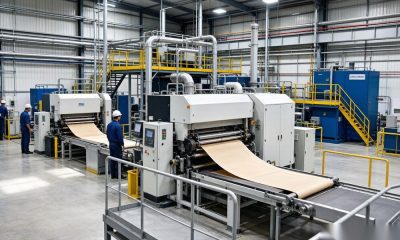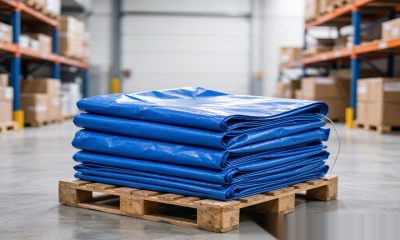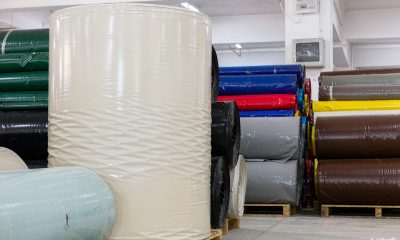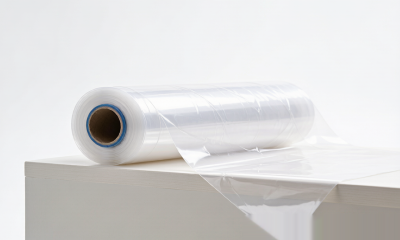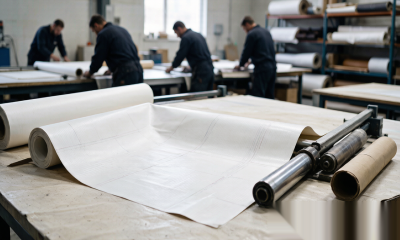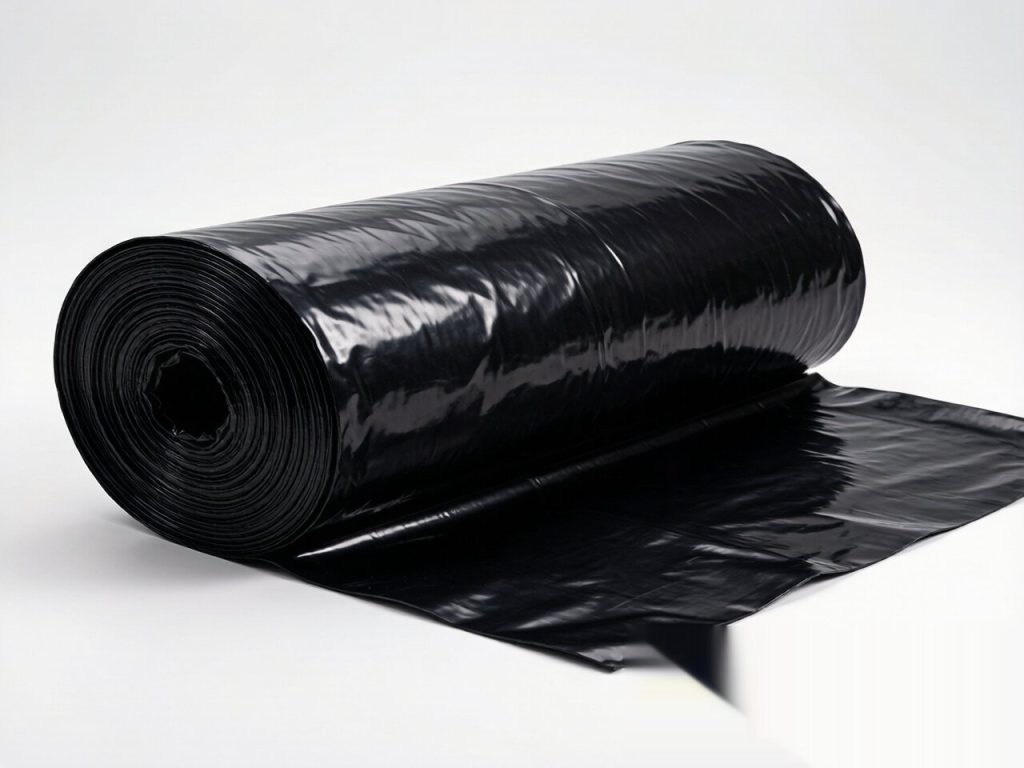
Plastika Kritis, a Greek plastics group, completed the acquisition of 100% of Morocco’s Naturplas Industrial on 4 November 2026, gaining its first production base in Africa. The price was not disclosed. For buyers of geomembranes and agricultural film, the useful detail is not the valuation but the geography: a membrane producer serving more than 90 countries has placed capacity on the southern side of the Strait of Gibraltar, close to Moroccan produce regions and the Almería greenhouse cluster.
The confirmed facts
According to the deal report, which cites Capital.gr and Business Daily, the seller was Spain-based Koex Capital and the transaction closed on 4 November. Naturplas operates an agricultural polyethylene film plant in Tetouan and a distribution centre in Agadir. It will keep its name, legal entity and management team. Plastika Kritis plans further investment in production and technical capability over five years.
The group now runs eleven factories in eight countries. Founded in Heraklion in 1970, it produces high-technology films, geomembranes and masterbatches. Naturplas recorded sales of 12.5 million euros in 2025 and is expected to exceed 20 million euros in 2026, the report says. New equipment installed during 2026 more than doubled its capacity, and the site has recycling equipment for recovering and reusing material.
Why location matters more than the capacity headline
The commercial case rests on agriculture. Morocco exported roughly 2.4 million tonnes of fresh fruit and vegetables in 2025, with 62% going to the European Union. Across the strait, Almería has the Mediterranean’s largest concentration of greenhouses, with approximately 400,000 stremmas under cover — about 400 million square metres. That supports steady demand for greenhouse film, low-tunnel film and mulch film.
For geomembranes, the driver is water. Morocco and southern Spain are investing in irrigation and water-storage infrastructure. Reservoirs, irrigation tanks and canals need lining, as do road projects and landfills. Tetouan’s proximity to Tanger Med and the Agadir distribution centre shorten delivery and technical-support routes. The group has also identified West Africa as a potential extension.
Three practical changes for procurement
- Quotation basis may shift. Local production tends to reduce freight and lead time, but price still depends on resin costs and order size. A local plant alone does not guarantee a lower offer.
- Technical service is closer. Geomembrane failures usually occur during welding and installation, and on-site support is harder to substitute than a datasheet.
- Specifications need rechecking. Naturplas’s established product is agricultural PE film. The report does not say it will make PVC geomembrane in Morocco, and treating the acquisition as new PVC capacity would be an unsupported inference.
Assessing supply risk during integration
Integration normally runs over several quarters. For projects dependent on a single supplier, three checks are worthwhile: confirm whether the contracting entity changed after closing; verify that certifications such as ISO 9001 and product type-test reports remain valid under the new ownership; and retain third-party witnessed sampling for critical batches. Doubled installed capacity is encouraging, but fitted equipment and consistent qualified output are not the same thing.
Recycling is another angle. The report notes on-site equipment for recovering material, which matters for recycled content in agricultural film. Whether that stream can enter geomembrane formulations is a separate question governed by project specifications for performance and durability, not an assumption to be made from the presence of a granulator.
DWR, PFAS and the limits of a datasheet
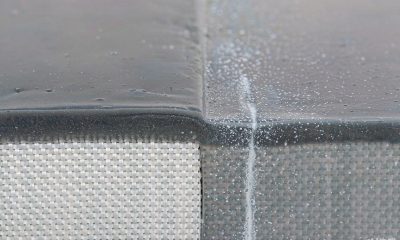
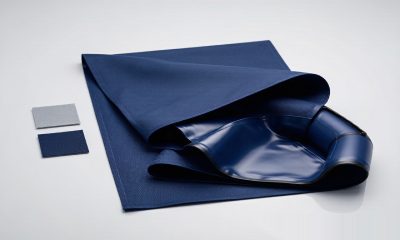
A face fabric’s durable water repellent finish sits outside the coating decision but strongly affects perceived waterproofing. A fluorinated DWR may shed oil and water well yet create a documentation problem in markets moving to restrict PFAS, while a fluorine-free finish can wet out earlier under sustained rain. Neither outcome is visible in a hydrostatic-pressure number measured on a new, unwashed sample. Ask for the DWR chemistry declaration and the wash durability result together.
Field repair is another practical gap. A taped seam and a welded seam behave differently after a puncture or a torn panel, and the repair kit must be compatible with the coating route. PVC repairs often use heat or solvent-based methods; PU and TPU laminates may require specific patches and pressure settings. Include the repair method in the specification if the garment is intended for remote or multi-day use.
FAQ
Will this deal push European geomembrane prices down?
There is no basis for that conclusion. The purchase price was not disclosed and no share of capacity allocated to geomembranes was announced. Localisation may improve lead time and freight, but pricing still tracks resin markets, order scale and project requirements.
Will Naturplas produce PVC geomembrane?
No public evidence supports that. The report describes agricultural polyethylene film as its product. Plastika Kritis has its own geomembrane business, but the announcement did not say a PVC line would be added in Morocco. Confirm directly with the supplier before specifying.
How should tender teams treat a newly acquired plant?
Check the contracting entity, whether certificate holders changed, and whether test reports are available from batches produced after closing. A change in brand ownership should not be taken as automatic continuity of qualifications.