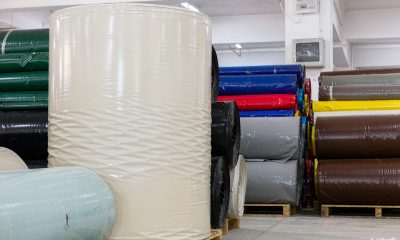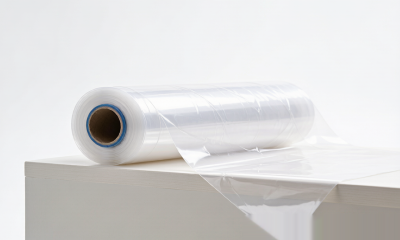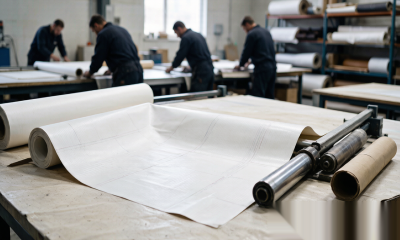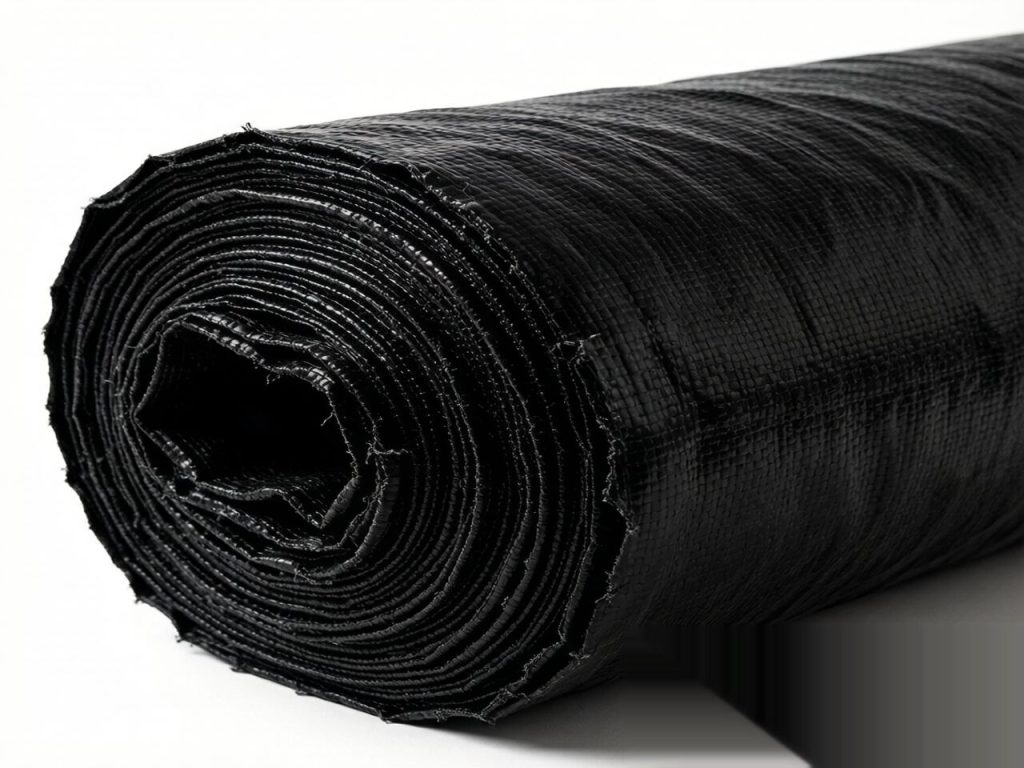
You cannot take the generic plastic-film test and apply it to a coated tarpaulin. The correct sequence is to classify the material first, then select the method: rubber- or plastics-coated fabrics, waterproof tarpaulin and conveyor-belt surface textiles fall under GB/T 20102, equivalent to ISO 1421:2016. The GB/T 1040 series applies to plastic film and sheet. Industry analysis attributes around 42% of testing disputes to the wrong standard being selected, not to unstable material.
A clear boundary
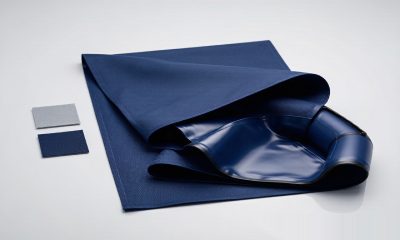
An analysis published on 10 November 2026 separates common industrial consumables by material: plastics use the GB/T 1040 series; vulcanised rubber and thermoplastic elastomers use GB/T 528, aligned with ISO 37:2024; coated fabrics use GB/T 20102; metals use GB/T 228.1-2021. That distinction matters to coaters, because a single roll has a polymer face and a textile substrate. Declare it simply as plastic and the result will not describe how the fabric actually carries load.
GB/T 20102 provides both a strip method and a grab method. The grab method is used more often to simulate localised loading and appears widely in the acceptance of filter and protective fabrics. Results from the two methods do not belong in the same comparison table, and the report should state which was applied.
Two changes worth tracking
First, GB/T 1040.3-2026 covers film and sheet under 1 mm thickness and takes effect in December 2026, replacing the 2006 edition. It revises specimen dimensions, test speed and conditioning clauses. If your laboratory tests a coating peeled from a finished fabric, the method version has changed and historical figures are no longer directly comparable.
Second, export orders often specify ASTM. ASTM D638 covers thicker plastic sheet, while ASTM D882 covers film; both differ from GB/T 1040 in specimen shape and pulling speed, and results cannot be converted between them. A description of coated tarpaulin testing notes that acceptance normally looks at breaking force, peel strength, flame resistance and hydrostatic resistance together — tensile strength is one item in that set, not the whole assessment.
Conditioning: the step most often skipped
Most polymer consumables should be conditioned at 23 C and 50% relative humidity for at least 16 hours before testing. Temperature and humidity change tensile results directly, and some film consumables vary by more than 15%. Two reports differing by double-digit percentages may simply reflect different conditioning, not a formulation fault. Also confirm that the laboratory’s CNAS accreditation covers the chosen standard; otherwise the report carries no recognition.
Checklist before placing a test order
- Define the material class: coated fabric, pure film, rubber sheet or fibre-reinforced composite.
- State the standard number and edition, for example GB/T 20102 rather than a generic national standard.
- Specify strip or grab method, plus specimen direction and sampling location.
- Agree conditioning conditions and test atmosphere, and require them in the report.
- Follow the standard version named in the purchase contract or technical agreement when the client specifies one.
One misconception deserves a direct answer: a coated fabric is not a plastic film with something added. Its breaking behaviour depends on the base weave, coating thickness and the adhesion between them. A value obtained from a dumbbell-shaped plastic specimen says little about how a tarpaulin resists tearing in service.
Why the version change matters in practice
A revised test method is not a cosmetic edit. When GB/T 1040.3-2026 replaces the 2006 edition in December 2026, the specimen dimensions, pulling speed and conditioning clauses all change. Tensile strength is a rate-sensitive property for many polymers, and elongation at break is more sensitive still. A result produced under the old speed cannot be plotted on the same trend line as a new one without flagging the method version. Suppliers who keep two years of inward-inspection records should tag each entry with the edition used, otherwise a process improvement can be mistaken for a method artefact, or the reverse.
There is also a contractual dimension. Many purchase agreements name a standard without a date, so the applicable version can shift during a long-term supply relationship. The practical fix is simple: write the edition into the technical agreement and state which party bears the cost of re-testing when a method changes. For coated fabric sold into both domestic and export channels, keep the GB/T 20102 result for the textile and the ASTM D882 result for any peeled film as separate lines in the same report, with the sample layer described for each. That prevents a buyer from comparing numbers that were never meant to be compared.
FAQ
Which standard applies to PVC tarpaulin tensile strength?
Rubber- or plastics-coated fabrics and waterproof tarpaulin use GB/T 20102, equivalent to ISO 1421:2016, with strip and grab methods. The GB/T 1040 series covers plastic film and sheet and should not be applied directly to coated fabric.
Two reports differ by 15%. Is the material at fault?
Not necessarily. Inadequate conditioning or different temperature and humidity can cause more than 15% variation. Check the 23 C, 50% RH, minimum 16-hour condition before reviewing the formulation.
When does GB/T 1040.3-2026 take effect?
December 2026. It replaces the 2006 edition and revises specimen dimensions, test speed and conditioning. Results produced under the old edition should not be placed side by side with new ones without noting the version.