Background: why stadium roofs favor PVC membranes
Large stadiums need long-span, column-free, light-transmitting and weather-resistant roofing that rigid structures struggle to combine. Polyester scrim double-coated with PVC — a tensile membrane — works in tension: it is light, formally free, and can cover tens of thousands of square metres of stands while adding almost no load to the primary structure. The 2026 FIFA World Cup put these systems under the spotlight, with several host-venue roofs specified in PVC coated fabric.
Technical principle: tensioning systems and membrane metrics
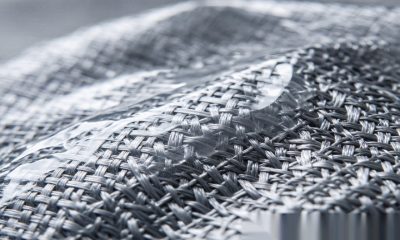
A PVC tensile roof usually combines steel arches/compression rings, a high-strength cable net and dozens of factory-prefabricated panels. Panels are cut and welded to exact dimensions in the workshop; on site only tensioning and anchoring remain. Key properties include base-fabric weave density, coating adhesion, UV-aging decay curve and long-term tension retention. For sections at a building’s highest point, exposed to UV, rain and thermal cycling, design life often starts at 20 years. Saudi FPC Industries supplied over 4,000 m² of PVC coated fabric for the Estadio Azteca ‘Red Crown’ in Mexico City; to prove it, the firm flew batches to the University of Essen in Germany for independent checks against ISO 4892-2 (UV), ISO 11357 (humid-heat cycling) and ASTM D412 (dynamic tension), confirming EN 13561 and ETAG 027 and a B1 fire rating (blog.11467.com/b17891895.htm).
Case studies: hard numbers from three venues
- Estadio Ciudad de Valencia: Taiyo Europe installed a 9,000 m² tensile roof over the existing stadium — 28 custom PVC panels, two steel arches and a high-strength cable net. Laser scanning verified dimensions, arch sections were craned into place, then the cable net was tensioned and panels clipped and stressed one by one. Six months, zero safety incidents, zero matchday disruption, compliant with LaLiga/UEFA/FIFA (taiyo-europe.com).
- Mansfield Stadium, USA (completed 2026): Fabritecture supplied 4,400 m² across 17 TX30 IV PVC panels with structural steel trusses, using an unroll method for fast installation while keeping daylight and airflow; it served as a World Cup training facility (fabritecture.com/projects/mansfield-stadium).
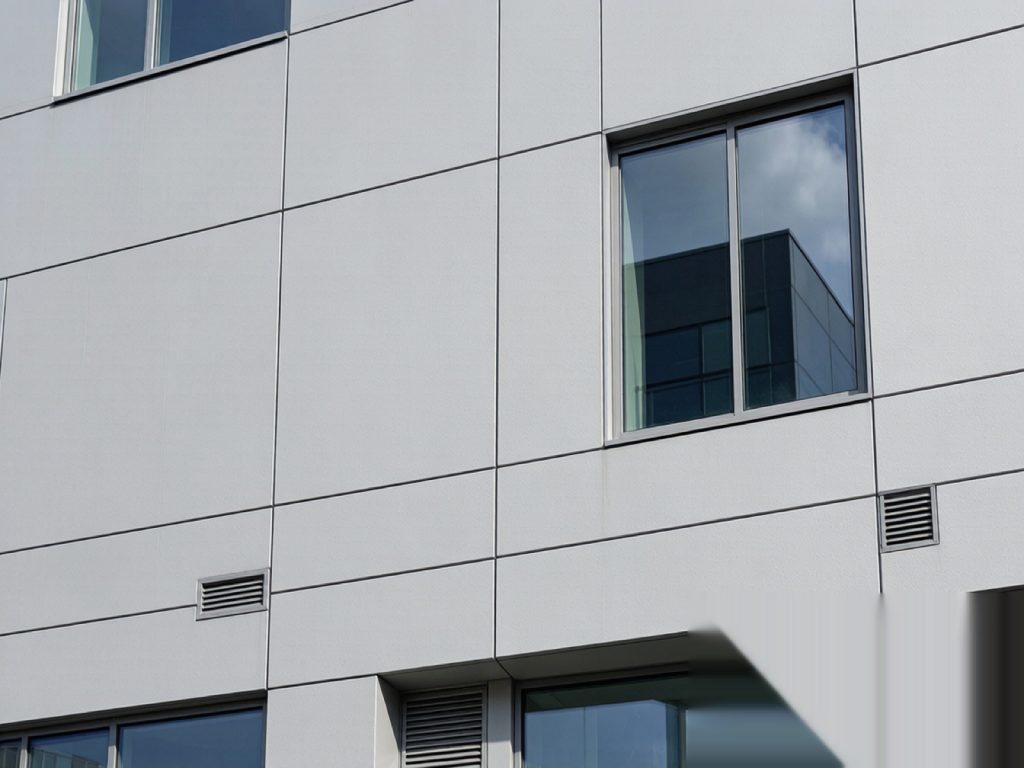
- Belarus National Football Stadium: CKIC’s ‘steel louver + inner membrane’ façade system covers 16,375 m² of façade and 14,935 m² of ceiling in PVC and PTFE; translucent membranes cut daytime lighting energy by up to 60% while meeting FIFA/UEFA certification (aiairdome.com).
Market and trends
The 2026 World Cup triggered a wave of stadium membrane upgrades, but demand is not football-only: multi-purpose arenas, training centres and semi-permanent event structures all adopt PVC tensile roofs. Lightweight construction lowers foundation and superstructure cost, fast installation compresses schedules, and the lifecycle cost plus recyclable-material profile fit host cities’ sustainability goals. The competitive barrier has shifted from price to process stability and verifiable third-party data.
Selection checklist
- Check membrane grade: for UV-exposed crowns pick a high-weathering, low-UV-decay formulation with design life ≥20 years.
- Check fire rating: European projects typically need B1 (DIN 4102) or EN 13501-1, with third-party reports.
- Check verification: require cross-border independent lab checks (e.g. university) on ISO 4892-2, ASTM D412 — not just in-house tests.
- Check the responsibility chain: one turnkey party for arch, cable net, anchoring and panel tensioning keeps accountability clear.
Lifecycle and cost. A PVC tensile roof’s appeal is not just the headline material but the whole delivery model: prefabricated panels shrink on-site labour, lightweight framing cuts foundation cost, and a single turnkey contractor owns design-through-tensioning accountability. Owners also gain year-round non-football revenue, concerts, conventions and community events, because every seat is now covered. For retrofit projects the payback is accelerated by avoided structural reinforcement.
Quality control in the field deserves equal attention. Membrane panels must be handled without sharp-tool contact, stored out of direct sun before installation, and tensioned to the engineer’s specified prestress so the surface stays wrinkle-free and self-cleaning. Independent verification of coating adhesion and weld peel strength, as FPC did with the University of Essen, is the differentiator between a membrane that lasts 25 years and one that fails early at the highest, most UV-exposed point.
Beyond football, the same system serves airports, transit hubs and exhibition centres where column-free, daylight-diffusing roofs improve visitor experience while trimming lighting loads. The design freedom of tensile PVC, fluid silhouettes that become a venue’s identity, is why architects keep specifying it for signature projects.
Frequently asked questions
Q1: How long does a PVC tensile roof last?
A1: Properly designed and installed, typically 20–30 years, depending on membrane quality, environmental load and maintenance; UV-exposed crowns need high-weathering grades.
Q2: Can a PVC membrane roof save lighting energy?
A2: Yes. Translucent PVC diffuses daylight; the Belarus national stadium case shows up to 60% lower daytime lighting energy.
Q3: Can an old stadium get a PVC tensile roof?
A3: Yes. The light weight suits retrofit especially well; Valencia’s roof was built above a live stadium with zero matchday interruption.