Skip to content

Kezhibo Unveils Advanced Flame Retardant PVC Tarpaulin Series for Enhanced Industrial Safety

August 14, 2026 kezhibo Company News
科智博推出先进阻燃PVC篷布系列,提升工业安全 - 科智博

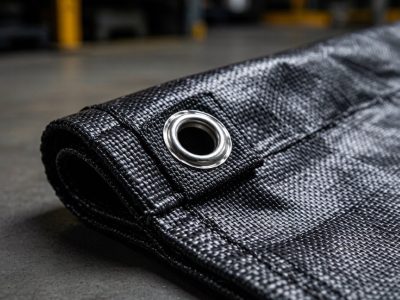
In response to the growing demand for safer industrial materials, Kezhibo New Materials has officially launched its latest innovation: a new series of flame retardant PVC tarpaulins. This product line is engineered to provide superior fire resistance without compromising on durability, flexibility, or weather resistance—key attributes that industries such as construction, transportation, and agriculture rely on daily.

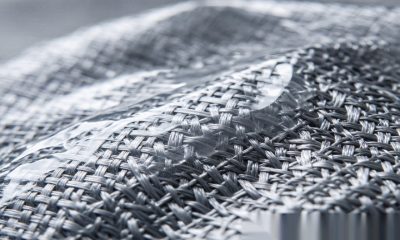
The new flame retardant PVC tarpaulin series is the result of extensive research and development, incorporating advanced additives and coating technologies that inhibit flame spread and reduce smoke generation. This makes the tarpaulins ideal for use in environments where fire safety is paramount, including temporary shelters, welding screens, and protective covers for equipment and materials.

One of the standout features of this series is its compliance with international fire safety standards, including NFPA 701 and EN 13501-1. This ensures that businesses can deploy these tarpaulins with confidence, knowing they meet rigorous regulatory requirements. Additionally, the tarpaulins retain Kezhibo’s hallmark qualities: high tensile strength, tear resistance, and UV stability, ensuring long service life even in harsh outdoor conditions.

“We are excited to bring this new series to market,” said a spokesperson for Kezhibo. “Safety is a top priority for our customers, and this product line reflects our commitment to innovation and quality. By combining flame retardancy with the durability our clients expect, we are providing a solution that enhances workplace safety and operational efficiency.”

The launch comes at a time when the coated fabrics industry is seeing increased scrutiny on safety performance. With stricter regulations and a greater focus on risk management, manufacturers are seeking materials that not only perform well but also mitigate potential hazards. Kezhibo’s new series addresses this need head-on, offering a reliable choice for businesses that prioritize safety.

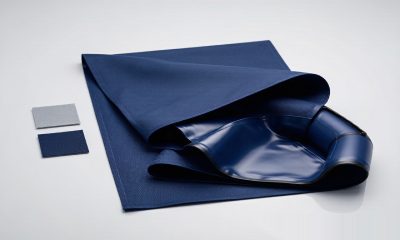
Available in a range of thicknesses and colors, the flame retardant PVC tarpaulins can be customized to suit specific applications. Whether used for truck covers, tent canopies, or industrial curtains, these tarpaulins provide peace of mind and robust protection.

As Kezhibo continues to expand its product portfolio, this launch underscores the company’s dedication to advancing the coated fabrics industry through innovation and safety-focused solutions. For more information about the new flame retardant PVC tarpaulin series, visit the Kezhibo website or contact the sales team.
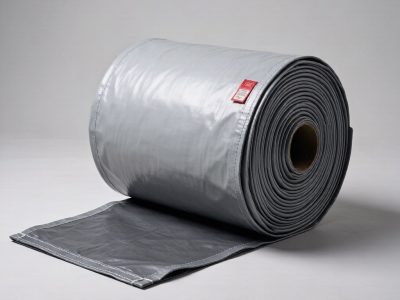
Fire performance in a tarpaulin is a system property, not a coating property, and understanding that distinction changes how you buy. The FR package lives in the PVC compound — plasticizer system, flame-retardant additives, smoke suppressants — but what the regulator actually examines is the finished construction: how the fabric ignites, how flame tracks across it, how it drips or self-extinguishes. This is why certificates attach to specific constructions and weights, and why the cheap shortcut — adding FR additive to a base grade without retesting — is exactly how non-compliant material enters supply chains. Our series was developed the slow way: formulations built around referenced standards, then certified as finished fabrics.

Where these grades earn their place: scaffolding containment on occupied buildings, event and exhibition structures, welding-adjacent industrial covers, and any temporary structure over public or high-value occupancy. In each case the trigger is the same — a regulation, an insurer, or a venue operator demands documented fire performance, and undocumented fabric becomes the project's critical path. Buyers who source certified FR material as a standard practice rather than an emergency find the premium is smaller than the delay.

One maintenance note worth more than it looks: fire performance ages. A certified FR tarpaulin that spends three seasons accumulating industrial grime does not present the same surface it was certified with, and some cleaning regimes strip surface additives. Ask your supplier — us included — what the cleaning instructions are for certified fabric and whether re-certification is practical. Fire safety in temporary structures is a lifecycle commitment, and the suppliers worth having are the ones who say so before the sale.

What makes the flame retardant tarpaulin series different from standard FR fabric?

The series was developed as finished constructions: FR packages built into the PVC compound and then certified as complete fabrics against referenced standards — not a base grade with FR additive added and retested after the fact.

Where are FR-certified tarpaulins required?

Typical triggers include scaffolding containment on occupied buildings, event and exhibition structures, welding-adjacent industrial covers, and any temporary structure over public or high-value occupancy, where regulations, insurers, or venue operators demand documented fire performance.

How do I maintain a certified FR tarpaulin?

Follow the manufacturer's cleaning instructions — some regimes strip surface additives — and ask whether re-certification is practical for long-service covers. Fire performance in temporary structures is a lifecycle commitment, not just a purchase specification.