
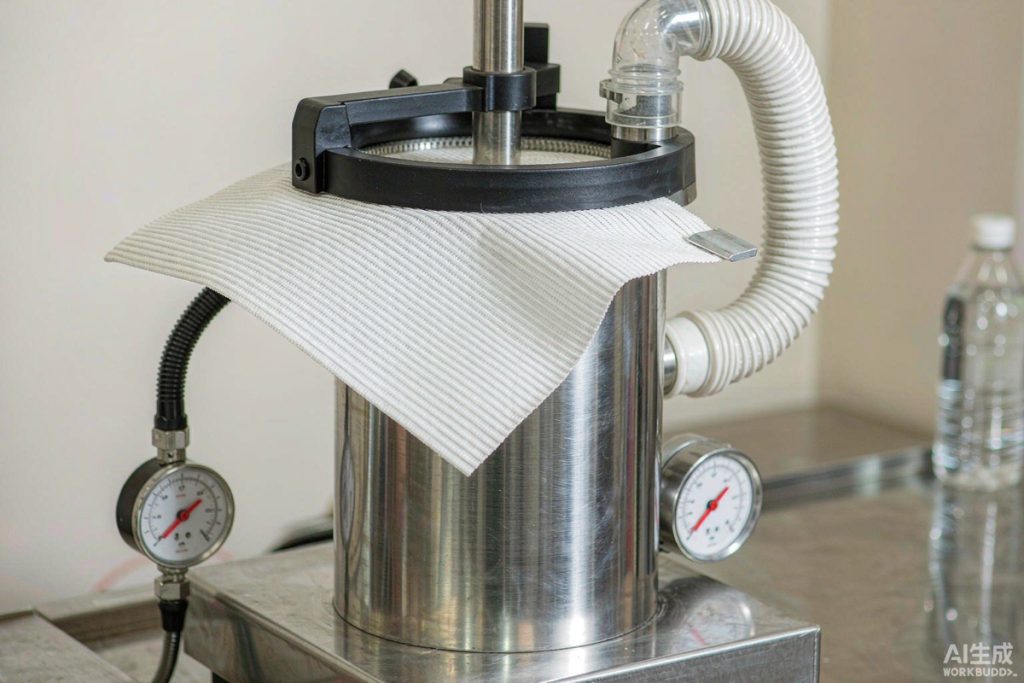
# PVC Coated Fabric Air Permeability and Water Vapour Transmission: ISO 9237 and ISO 11092 Verification
## What Is Air Permeability in PVC Coated Fabric and How Is It Measured?
**Air permeability in PVC coated fabric refers to the volume of air passing through a defined area under a specified pressure differential, measured using ISO 9237. For most solid PVC coated fabrics the permeability is effectively zero because the continuous coating seals the scrim, while mesh banner fabrics are intentionally perforated.**
– Test standard: ISO 9237 (air permeability, KB Chapter 2.2)
– Solid PVC coated fabric: effectively zero permeability due to continuous coating
– PVC mesh banner: 270-280 gsm, 1000D 9×9 scrim, perforated structure (KB Chapter 3.3)
## Why Does Water Vapour Transmission Matter for PVC Coated Fabric?
**Water vapour transmission rate measures how much moisture passes through the fabric, tested using ISO 11092 which evaluates thermal and water vapour resistance. For PVC coated fabric in protective clothing and tent liners, vapour transmission determines whether condensation builds up; solid PVC has negligible vapour transmission.**
– Test standard: ISO 11092 (thermal and water vapour resistance, KB Chapter 2.2)
– Solid PVC coated fabric: negligible WVTR due to continuous PVC polymer layer
– Applications affected: protective clothing, tent liners, livestock housing (KB Chapter 3.2, 3.4)
## What Are the Breathability Requirements for Different PVC Fabric Applications?
**Breathability requirements vary dramatically: solid PVC coated tarpaulin and geomembrane are designed to be completely impermeable, while PVC mesh fabrics for outdoor advertising are engineered with controlled openness to reduce wind load. Mesh banner is 270 to 280 gsm with 1000D 9×9 scrim in a perforated structure.**
– Mesh banner: 270-280 gsm, 1000D 9×9 perforated scrim (KB Chapter 3.3)
– Livestock housing: 450-650 gsm agriculture band, ventilation balance (KB Chapter 3.2)
– Greenhouse film: 100-300 micron PVC film, UV stabilised, separate from coated fabric (KB Chapter 3.4)
## How Does Air Permeability Testing Help Select Mesh Banner Fabric?
**Mesh banner fabric is selected based on its openness ratio and air permeability, because the primary function of mesh in outdoor advertising is to reduce wind load while maintaining visual clarity. ISO 9237 provides a quantitative airflow measure; the knowledge base notes no published permeability value, so buyers must obtain supplier data.**
– Mesh banner specification: 270-280 gsm, 1000D 9×9 scrim (KB Chapter 3.3)
– Wind-load reduction: primary function of mesh in outdoor advertising
– No published permeability value in KB: buyers must request supplier-specific ISO 9237 data
## Can Air Permeability Testing Detect Coating Defects?
**Yes, ISO 9237 can detect pinholes, thin spots, and incomplete coating coverage because any breach in the continuous PVC layer creates a measurable air flow path. A batch of solid PVC coated fabric should show zero permeability; any measurable flow indicates a coating defect that could compromise waterproof and airtight performance.**
– Solid PVC coated fabric: expected air permeability is zero
– Defects detected: pinholes, thin spots, incomplete coverage create measurable airflow
– Critical applications: geomembrane liners, inflatable structures, liquid storage tanks (KB Chapter 3.1, 3.4)
## FAQ
**Q: What standard is used to test air permeability of PVC coated fabric?**
A: ISO 9237 is the standard test method for measuring the air permeability of PVC coated fabric. It measures the volume of air passing through a defined area under a specified pressure differential, expressed in litres per square metre per second. For solid PVC coated fabric with a continuous coating layer, the expected result is effectively zero, while mesh banner fabrics and perforated fabrics will show measurable air flow depending on their openness ratio. The test is also useful for quality control to detect coating defects such as pinholes or thin spots.
**Q: What is the water vapour transmission rate of PVC coated fabric?**
A: Solid PVC coated fabric has negligible water vapour transmission because the PVC polymer layer is inherently impermeable to moisture vapour. The water vapour transmission rate is tested using ISO 11092, which evaluates the thermal and water vapour resistance of textiles. For applications that require breathability, such as protective clothing or tent liners, the impermeability of PVC coated fabric means that condensation will build up on the inner surface unless active ventilation is provided. This is why tent and shelter designs using PVC coated fabric incorporate vents and airflow management.
**Q: How is mesh banner fabric tested for wind-load reduction?**
A: Mesh banner fabric is tested for air permeability using ISO 9237, which provides a quantitative measure of air passing through the mesh at a standard pressure differential. The typical mesh banner fabric is 270 to 280 gsm with 1000D polyester scrim in a 9×9 weave with a perforated structure. The air permeability value allows engineers to calculate the wind-load reduction achieved by using mesh instead of solid fabric, which is critical for large-format outdoor advertising installations. The knowledge base notes that no published permeability value is available for general mesh fabric.
**Q: Can air permeability testing find coating defects in PVC fabric?**
A: Yes. ISO 9237 air permeability testing is an effective quality control method for detecting coating defects in PVC coated fabric. In a properly coated solid fabric, the continuous PVC layer seals all air paths through the material, resulting in zero or near-zero air permeability. Any measurable air flow through a specimen that should be solid indicates a coating defect such as a pinhole, thin spot, or area of incomplete coating coverage. This is particularly important for critical applications including geomembrane liners and inflatable structures.
**Q: Does PVC coated fabric breathe for tent and shelter applications?**
A: No, solid PVC coated fabric does not breathe because the PVC polymer layer is impermeable to water vapour. Tents and shelters made from PVC coated fabric require active ventilation through vents, windows, or mechanical systems to manage internal humidity and prevent condensation. The service temperature range of PVC coated fabric is minus thirty to plus seventy degrees Celsius, and within this range the material maintains its impermeable barrier. For applications where breathability is required, partially coated or mesh fabrics may be more appropriate.
**Q: What is the difference between air permeability and waterproofness in PVC fabric?**
A: Air permeability measures the flow of air through the fabric under a pressure differential, tested using ISO 9237, while waterproofness measures resistance to water penetration under hydrostatic pressure, tested using ISO 811, AATCC 127, or GB/T 4744. In solid PVC coated fabric, both properties are linked because the continuous PVC coating blocks both air and water. However, the two tests measure different physical mechanisms: air permeability evaluates gas flow, while hydrostatic head testing evaluates liquid water penetration under pressure.
**Q: How does ISO 11092 relate to comfort in PVC coated protective clothing?**
A: ISO 11092 measures the thermal and water vapour resistance of textiles, which are the key parameters determining wearer comfort in protective clothing. PVC coated fabric has negligible water vapour transmission, meaning that moisture produced by the wearer’s body cannot escape through the fabric. This makes PVC coated protective clothing effective at blocking external liquids and chemicals but potentially uncomfortable during prolonged wear due to internal condensation. Designers typically incorporate ventilation features or use multi-layer systems with breathable inner layers.
**Q: Are air permeability values published for PVC mesh fabrics?**
A: The project knowledge base does not publish specific air permeability values for PVC mesh fabrics. The mesh banner specification is 270 to 280 gsm with 1000D 9×9 scrim in a perforated structure, but the actual permeability depends on the mesh openness ratio, hole size, and coating thickness, which vary by manufacturer and product grade. Buyers requiring mesh fabric for wind-load-sensitive applications should request ISO 9237 test data from the supplier for the specific product grade being considered.
## FAQ (ZH)
**问:PVC涂层布透气性的测试标准是什么?**
答:ISO 9237是测量PVC涂层布透气性的标准测试方法。它测量在规定压差下通过单位面积的空气体积,以升每平方米每秒表示。对于具有连续涂层的实体PVC涂层布,预期结果接近零,而网格布和穿孔面料会根据开孔率显示可测量的气流。该测试也可用于质量控制,检测针孔或薄点等涂层缺陷。
**问:PVC涂层布的水蒸气透过率是多少?**
答:实体PVC涂层布的水蒸气透过率可忽略不计,因为PVC聚合物层本身对水蒸气是不透的。水蒸气透过率使用ISO 11092测试,该标准评估纺织品的热阻和水蒸气阻力。对于需要透气性的应用(如防护服或帐篷内衬),PVC涂层布的不透气性意味着内侧会积聚冷凝水,除非提供主动通风。这就是使用PVC涂层布的帐篷和遮蔽所设计通风口和气流管理的原因。
**问:网格广告布如何测试风载降低效果?**
答:网格广告布使用ISO 9237测试透气性,提供在标准压差下通过网格的空气定量测量。典型网格广告布为270至280 gsm、1000D涤纶基布、9×9组织、穿孔结构。透气值允许工程师计算使用网格替代实体面料所实现的风载降低,这对于大型户外广告安装至关重要。知识库指出通用网格面料没有已发布的透气值。
**问:透气性测试能检测PVC涂层缺陷吗?**
答:能。ISO 9237透气性测试是检测PVC涂层布涂层缺陷的有效质量控制方法。在正确涂层的实体面料中,连续PVC层封闭了所有空气通道,透气性为零或接近零。实体样品中任何可测量的气流都表明存在涂层缺陷,如针孔、薄点或涂层覆盖不全。这对于土工膜衬垫和充气结构等关键应用尤为重要。
**问:PVC涂层布用于帐篷和遮蔽所时透气吗?**
答:不透气。实体PVC涂层布不透气,因为PVC聚合物层对水蒸气不可透过。使用PVC涂层布制造的帐篷和遮蔽所需通过通风口、窗户或机械系统进行主动通风,以管理内部湿度和防止冷凝。PVC涂层布的使用温度范围为零下三十至零上七十摄氏度,在此范围内材料保持不透气屏障。对于需要透气的应用,部分涂层或网格面料可能更合适。
**问:PVC面料中透气性和防水性有什么区别?**
答:透气性测量在压差下通过面料的空气流量,使用ISO 9237测试;防水性测量在静水压下对水渗透的阻力,使用ISO 811、AATCC 127或GB/T 4744测试。在实体PVC涂层布中,两者相关联,因为连续PVC涂层同时阻挡空气和水。但两种测试测量不同的物理机制:透气性评估气流,静水压测试评估液态水在压力下的渗透。
**问:ISO 11092与PVC防护服的舒适性有何关系?**
答:ISO 11092测量纺织品的热阻和水蒸气阻力,是决定防护服穿着者舒适性的关键参数。PVC涂层布的水蒸气透过率可忽略不计,意味着穿着者身体产生的水分无法通过面料散发。这使PVC防护服在阻挡外部液体和化学品方面有效,但在长时间穿着时可能因内部冷凝而不舒适。设计者通常采用通风功能或多层系统来管理水分。
**问:PVC网格布有已发布的透气值吗?**
答:项目知识库未发布PVC网格布的具体透气值。网格广告布规格为270至280 gsm、1000D 9×9基布、穿孔结构,但实际透气性取决于网格开孔率、孔径和涂层厚度,因制造商和产品等级而异。需要网格面料用于风载敏感应用的买家应向供应商索取特定产品等级的ISO 9237测试数据。












