
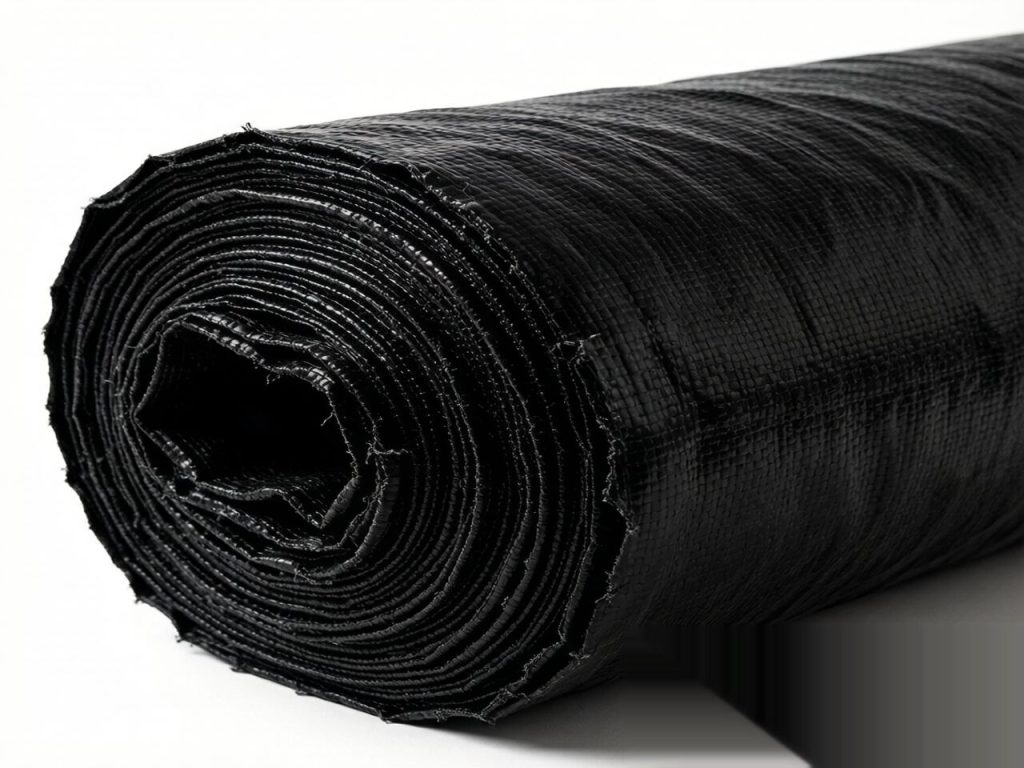
A luxury glamping tent lives or dies by its cover. For a semi-permanent safari lodge, the specification that matters is 850 g/m² PVC-coated polyester with a hydrostatic head of at least 3,000 mm, B1 flame behaviour, wind resistance rated to 100 km/h, and a service range of −25 to +60 °C. Those four numbers recur across leading manufacturers’ 2026 datasheets, and together they form the practical definition of investment-grade tent fabric — the reason commercial glamping has moved to PVC-coated cloth rather than plain canvas. Stars Glamping’s Lodestar, Vega and Epic models use exactly this spec, offered in 20, 30, 40 and 50 m² footprints (Carroll County Mirror-Democrat, 2026).
Why 850 g/m² Became the Baseline
Fabric weight is not a case of heavier being better. It is a match between structural span, expected service life, and the wind and snow loads a shelter must carry. Event marquees and luxury glamping part company here: the former chase standardized 1000D specifications and low cost, while the latter pay a premium for surface feel and long-term weatherability. One 2026 sourcing analysis splits the 850gsm blockout tent fabric market into three arenas. Events and exhibitions are a red ocean with more than 23,800 suppliers. Luxury glamping is the blue ocean, growing at roughly 8.3% CAGR, where buyers pay for aesthetic innovations such as 3D embossing. Industrial membrane structures are a stable but high-barrier third segment (Accio, 2026). For a camp operator, 850 g/m² sits in the sweet spot: tough enough to survive, not so expensive that it cannot be written off over a season.
What Each Datasheet Number Means on Site
- Hydrostatic head ≥3,000 mm: a measure of resistance to water penetration. Below this, sustained rain and condensation will find their way through the coating, ruining the guest experience and shortening the life of any interior lining.
- B1 flame rating: the European DIN 4102 ‘difficult to ignite’ classification. Commercial accommodation almost always requires proof of flame behaviour for insurance and fire inspection. In the United States, NFPA 701 is normally requested as well.
- Wind resistance to 100 km/h: a system value produced by fabric, frame and ground anchors together — not a property of the cloth alone. Buyers should ask for model-specific wind-tunnel or engineering calculations, not a single blanket marketing figure.
- −25 to +60 °C: defines whether the coating turns brittle in cold or softens in heat. Desert sites add UV resistance and heat-dissipation design on top.
- Traceable certification: Stars Glamping’s EU General Product Safety Directive declaration was issued by UDEM against EN ISO 5912:2020, certificate M.2024.206.C96444, valid until 30 January 2029, covering models including the Safari Tent Epic and Safari Lodge.
PVC vs PVDF vs Canvas: The Multi-Layer Roof
No single material wins outright. The mature approach combines them into a layered system. PVDF membrane resists UV, flame and mildew best, so it suits the exposed outer layer. PVC contributes insulation and waterproofing in a multi-layer roof, often sitting in the middle. Canvas supplies breathability and a natural look where the climate allows. One manufacturer builds a three-layer roof — PVDF outside, PVC in the middle, decorative stretch fabric inside — over hot-dip galvanized steel frames for corrosion resistance (Optimal Blog, 2026). An Italian-language technical note reaches the same conclusion: there is no universally best fabric; what matters is matching materials, frames and deployment scenarios to the local climate (Stars Glamping, 2026). For a buyer, the useful question is therefore whether a given model works on their specific plot, not which fibre is theoretically superior.
Market Signal: Glamping Is the Growth Segment
Wholesale data puts blockout tent fabric in a 1.20–2.39 USD per square metre band at 3,000 m² MOQ, and flags luxury glamping as the blue-ocean opportunity: demand driven by eco-tourism infrastructure, roughly 8.3% CAGR, with advice to invest in recycled polyester base fabrics and green certifications ahead of impending EU sustainability mandates (Accio, 2026). A separate investment analysis lists level-12 wind tolerance and multi-layer composite roofs as the baseline for commercial-grade assets, for a practical reason: structures exposed to coastal, mountain, forest and desert terrain face UV degradation, fire risk and mildew over time, all of which drive operating and insurance costs.
Specification Checklist Before You Sign
- Ask for model-specific test reports, naming the test method and the exact configuration covered, rather than a generic ‘meets international standards’ claim.
- Verify flame documentation against the destination market: B1/M2 for Europe, NFPA 701 for the United States. One report rarely crosses jurisdictions.
- Commission aging and anti-fungal tests for fabric that will stay outdoors for years rather than days.
- Confirm the anchoring design suits the ground conditions. Tensioned membrane structures carry different wind and anchoring demands from framed tents.
- Settle the spare-parts logic: how replacement covers and components will be sourced across the operating life of the camp.
FAQ
How long does 850 g/m² PVC tent fabric last?
With correct tensioning, regular cleaning and no standing water, PVC-coated tent fabric typically delivers roughly 8–12 years outdoors. A PVDF topcoat extends colour retention and self-cleaning. Actual life depends more on wind load, UV intensity and anchoring quality than on fabric weight alone.
Is blockout fabric necessary for a glamping tent?
If the camp sells a dark-room sleep experience, 99.9% blockout cloth is worthwhile and also cuts daytime cooling load. Where natural light is the selling point, pair a high-translucency roof with blockout side curtains.
Are B1 and NFPA 701 interchangeable?
No. B1 belongs to the DIN 4102 / EN 13501 European classification, while NFPA 701 is a US flame-propagation test with different methods and criteria. You need the documentation required by the market you are entering.












