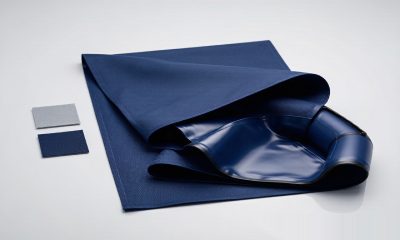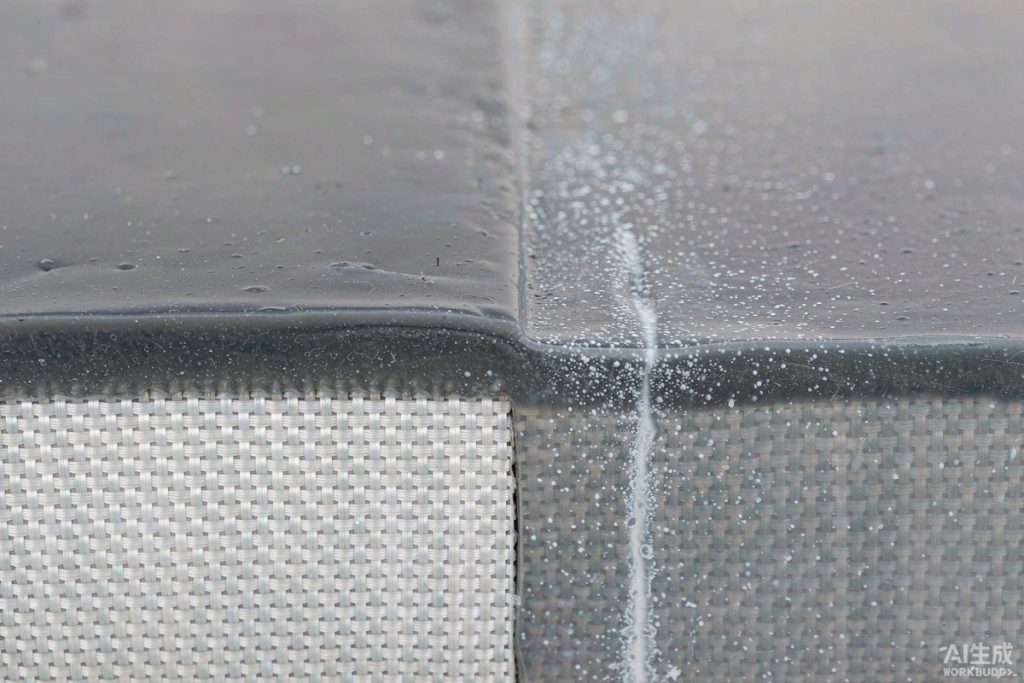
Can PVC be used for stretch ceilings? Yes, but PVC coated fabric normally corresponds to class B1 (difficult to ignite), not class A (non-combustible). According to a classification guide published by CNPP on 2026-10-12, A-class stretch ceilings use specially treated glass-fibre non-woven fabric with a fluororesin composite and meet GB 8624-2012 class A1. B1 ceilings use PVC as the core material with flame retardants: they self-extinguish but will still burn under sustained open flame. Occupied public spaces above 300 square metres generally require class A; low-risk spaces below 100 square metres may use B1. Confirm the area and occupancy type before comparing prices.
A-class versus B1: two different material routes
Treating them as the same fabric in two grades is the most common misunderstanding. The source sets the boundary clearly:
- Class A, non-combustible — specially treated glass-fibre non-woven fabric plus fluororesin composite. Direct flame does not ignite or spread, and no toxic smoke is produced. Corresponds to GB 8624-2012 A1.
- Class B1, difficult to ignite — PVC as the core material with effective flame retardants. Self-extinguishing, no rapid flame spread, but still combustible under sustained high-temperature flame.
In other words, PVC sits naturally in the B1 tier under this system. The same source states that A-class membrane costs two to three times as much as B1. That multiple explains why suppliers are inclined to describe PVC products in A-class terms — and why acceptance must be based on the original test report rather than a brochure.
A genuine conflict in the sources, stated plainly
Another set of supplier pages surfaced in the research. A 1688 encyclopaedia buying guide claims that A-class fire-rated stretch ceiling uses imported PVC coated fabric treated to fully meet the national A standard; its English counterpart describes a glass-fibre base cloth coated with PVC meeting class A. Both differ from the CNPP position that class A is glass-fibre non-woven plus fluororesin, while PVC belongs to class B1.
I am not going to arbitrate the material science. The workable rule is to treat class A as a conclusion that requires a report, not as a material name. If a supplier claims a PVC-based membrane reaches class A, request the GB 8624-2012 A1 test report for the exact sample specification and check that the sample name and model match the product being purchased. No report, no claim — regardless of the theoretical debate about how far PVC can be modified.
Selection by area and occupancy
The source’s principles translate directly into project decisions:
- Large occupied public spaces above 300 square metres — shopping centres, hospital outpatient buildings, school teaching blocks, convention centres — require class A non-combustible membrane;
- Low-risk spaces below 100 square metres such as small shops and home interiors may use class B1, which is more cost-effective;
- Underground car parks and tunnels, being enclosed and poorly ventilated, require class A, chiefly to avoid toxic smoke during evacuation.
Worth flagging: the source gives no explicit rule for the 100–300 square metre band. In practice, follow local fire design codes, occupancy density and the review authority’s opinion rather than applying a simplified rule that small means B1.
What acceptance actually checks
The key document is a full reaction-to-fire test report issued by a third-party laboratory with CMA accreditation. Two points are stressed:
- The sample name, model and fire classification on the report must correspond exactly to the product installed on site. Reports from another batch or model are not acceptable;
- For class A, confirm the result explicitly meets GB 8624-2012 A1 and that the three core measurements — furnace temperature rise, mass loss rate and sustained burning time — all pass.
The source also warns that unlabelled membranes without a proper report often contain no flame retardant at all, fall below even class B2, spread fire quickly and generate heavy toxic black smoke. Such products offer no remedy at acceptance; removal and reinstallation cost far more than the original saving.
Service life and maintenance
A 2026 Toutiao article on curved stretch-ceiling installation notes that compliant virgin-material PVC film can last more than ten years without yellowing or cracking, while poor-quality recycled film becomes brittle within one to two years. That is a supplier-side observation rather than a warranty, but it points to a verifiable procurement step: require the supplier to state virgin versus recycled content and write the warranty period and ageing acceptance criteria into the contract.
For teams already specifying coated fabrics, one more point. Stretch ceilings use a rail-and-clip installation that needs no welding or painting, so work is fast and clean. Speed of installation does not replace fire compliance; the two are independent tracks.
Fixing the decision sequence
Start with occupancy type and area to determine the mandatory class. Then confirm the material route — glass fibre and fluororesin for A, flame-retardant PVC for B1. Next request the CMA report for the exact model and verify the three core measurements. Price, colour and installation method come last. Any enquiry that skips the first two steps wastes time on products that cannot legally be used.
Frequently asked questions
Can PVC stretch ceiling reach class A fire rating?
Public sources disagree. One group defines class A as glass-fibre non-woven plus fluororesin with PVC at B1; some supplier pages claim treated PVC coated fabric reaches class A. The practical approach is not to argue the material route but to insist on a GB 8624-2012 A1 CMA report for the matching sample model.
How large is the cost difference between A and B1?
The cited source puts A-class membrane at roughly two to three times the cost of B1. That should not drive selection: occupied public spaces above 300 square metres, underground car parks and tunnels are class A mandatory, so cost is not a variable.
What is most often missed at acceptance?
A mismatch between the report and the delivered product. Check that sample name, model and fire classification correspond exactly to the material on site, and that the A1 report shows all three measurements — furnace temperature rise, mass loss rate and sustained burning time — as passing.
Sources:
CNPP: A-class vs B1 stretch ceilings and acceptance reports (2026-10-12)
1688 encyclopaedia: A-class fire-rated stretch ceiling wholesale (2026)
1688 encyclopaedia: quick installation soft film ceiling buying guide
Toutiao: curved stretch ceiling installation practice