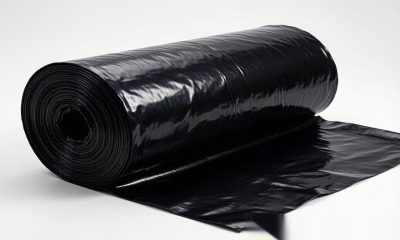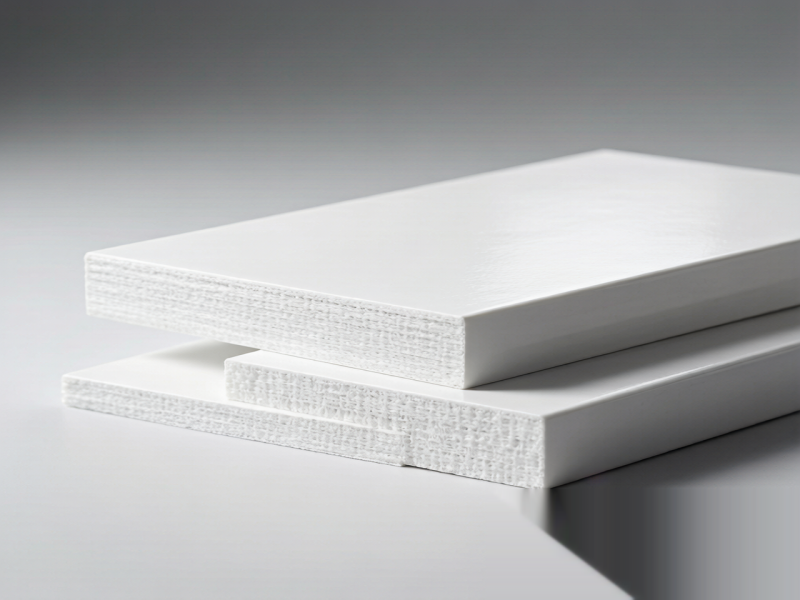
TPU Coated Fabric
Product Introduction
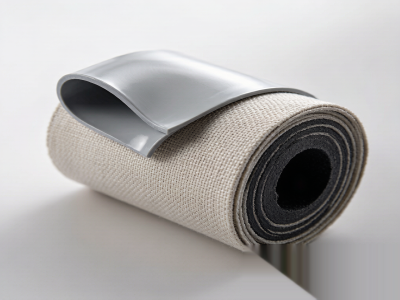
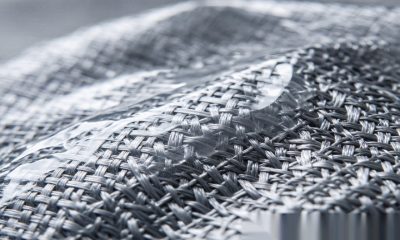
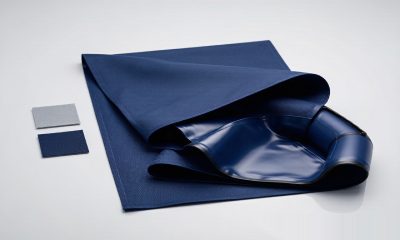
TPU Coated Fabric is a versatile composite material engineered by Kezhibo New Materials. It combines a base textile with a thermoplastic polyurethane (TPU) coating, offering exceptional durability, flexibility, and resistance to environmental factors. This product is ideal for industries requiring robust, lightweight, and waterproof materials.
Technical Parameters
- Weight: Custom (typically 200–1000 g/m²)
- Width: Custom (up to 3 meters)
- Thickness: Custom (0.2–2.0 mm)
- Color: Custom (standard black, white, or as specified)
- Material: TPU coated polyester or nylon fabric
- Tensile Strength: Custom (typically 500–3000 N/5cm)
- Tear Strength: Custom (typically 50–300 N)
- Adhesion: Custom (typically >50 N/5cm)
- Flame Retardancy: Custom (meets various standards)
Parameter Analysis
- Weight and Thickness: These parameters affect the fabric’s stiffness, durability, and suitability for specific applications. Heavier and thicker fabrics offer higher strength but reduced flexibility.
- Tensile and Tear Strength: Critical for load-bearing applications. Higher values ensure resistance to stretching and tearing under stress.
- Adhesion: Indicates the bond strength between the TPU coating and the base fabric. Strong adhesion prevents delamination and extends product life.
- Flame Retardancy: Important for safety in applications where fire risk exists. Custom formulations can meet specific industry standards.
Application Scenarios
TPU Coated Fabric is used in a wide range of industries, including:
- Inflatable products: boats, rafts, inflatable tents, and air mattresses.
- Protective clothing: chemical suits, waterproof jackets, and industrial aprons.
- Tarpaulins and covers: truck covers, outdoor storage covers, and agricultural covers.
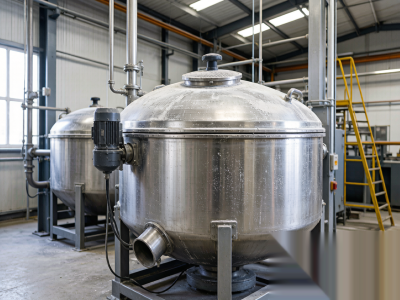
- Flexible storage tanks: for water, fuel, or chemicals.
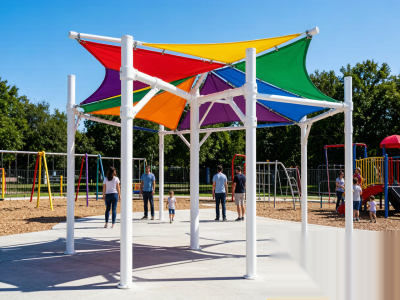
- Architectural membranes: tensile structures, awnings, and canopies.
Installation Guide
- Cutting: Use sharp tools to cut the fabric to desired dimensions. Ensure edges are clean to prevent fraying.
- Joining: For seams, use heat sealing, RF welding, or adhesive bonding, depending on the application and equipment available.
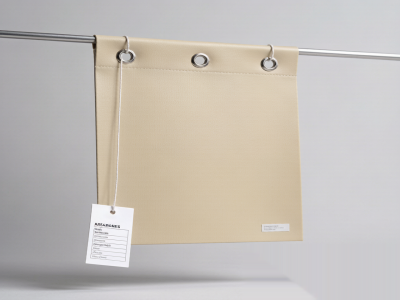
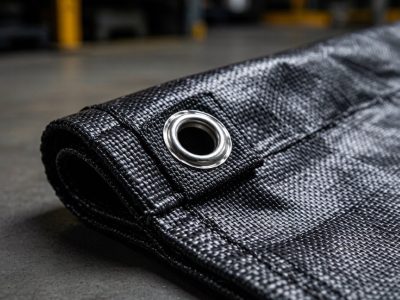
- Fastening: When installing as a cover or membrane, use appropriate fasteners such as grommets, ropes, or clamps, ensuring even tension to avoid stress concentration.
Usage Method
- Handling: Avoid dragging the fabric on rough surfaces to prevent scratches and abrasion.
- Cleaning: Clean with mild soap and water. Avoid harsh chemicals that may degrade the TPU coating.
- Storage: Store in a cool, dry place away from direct sunlight and ozone sources to prevent premature aging.
Maintenance Advice
- Regular Inspection: Check for signs of wear, punctures, or delamination. Address issues promptly.
- Cleaning Frequency: Clean as needed, especially in dusty or corrosive environments.
- UV Protection: If used outdoors, consider applying a UV-resistant topcoat or using a fabric with UV stabilizers to extend lifespan.
Repair Tips
- Small Punctures: Use a TPU repair patch and adhesive, or heat weld a patch over the damaged area.
- Tears: For larger tears, sew a patch and then apply a TPU coating over the seam for waterproofing.
- Delamination: If the coating separates from the base fabric, use a TPU adhesive to re-bond the layers, applying pressure and heat if possible.
Procurement Advice
- Specify Requirements: Clearly define your required weight, width, thickness, color, and performance standards (e.g., tensile strength, flame retardancy) when ordering.
- Customization: Kezhibo offers custom formulations to meet specific application needs. Provide detailed usage conditions to get the best recommendation.
- Sample Testing: Always request samples for testing before bulk ordering to ensure the fabric meets your expectations.
Packaging List
- Standard Packaging: Rolls are wrapped in protective film and placed on sturdy pallets. Each roll is labeled with product specifications and batch number.
- Custom Packaging: Available upon request, such as individual roll packaging or export-grade wooden crates.
FAQ
Q1: Is TPU Coated Fabric waterproof?
A: Yes, TPU coating provides excellent waterproofness, making it suitable for outdoor and marine applications.
Q2: Can the fabric be welded or heat-sealed?
A: Yes, TPU can be heat-sealed or RF welded, allowing for strong, waterproof seams.
Q3: What is the temperature range for TPU Coated Fabric?
A: TPU typically performs well from -40°C to +80°C, but exact range depends on the formulation. Consult technical data for your specific product.
Q4: Is the fabric resistant to chemicals?
A: TPU offers good resistance to oils, greases, and many chemicals. For specific chemical resistance, please provide details for evaluation.
Q5: How long does the fabric last outdoors?
A: With proper maintenance and UV protection, TPU coated fabric can last several years. Actual lifespan depends on environmental conditions and usage.