Skip to content

How to Choose the Right Tarpaulin: A Complete Buying Guide

August 5, 2026 kezhibo News
科智博 于2026年扩大涂层织物生产线以满足全球需求 - 科智博

Choosing the right tarpaulin is about matching the material to the job. Here are the key factors to consider before you buy.

1. Weight (GSM)

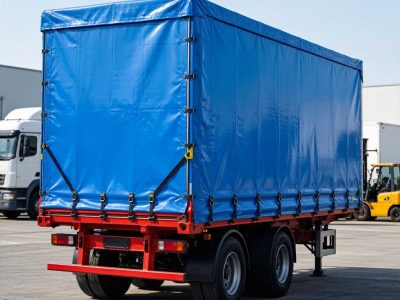
The weight of a tarpaulin, expressed in grams per square meter (g/m²), is the single best indicator of its strength and durability. Lightweight tarpaulins (300–500 g/m²) suit temporary shading and short-term covers. Mid-weight grades (500–750 g/m²) are ideal for agriculture and general outdoor use. Heavy duty tarpaulins (750–900 g/m² and above) are built for construction, transport and long-term outdoor protection.

2. Base Fabric and Coating

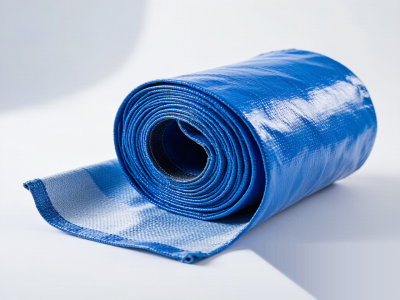
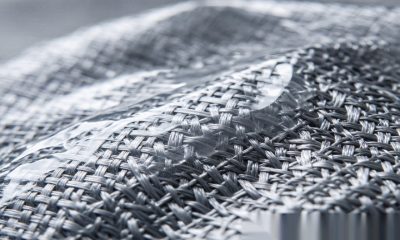
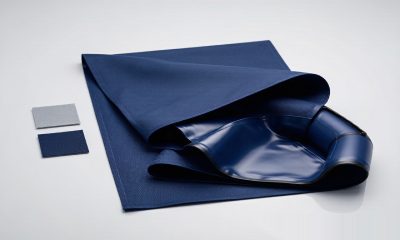
High-tenacity polyester scrim provides the tear strength, while the PVC coating delivers waterproofing and weather resistance. For applications requiring low-temperature flexibility or full recyclability, TPU coated fabric is an excellent alternative.

3. UV Resistance

If the tarpaulin will be exposed to strong sunlight for long periods, choose a UV-stabilized grade. This prevents cracking and fading and significantly extends service life.

4. Fire Retardancy

Construction sites and industrial environments often require certified flame-retardant tarpaulins. Look for materials tested to internationally recognized standards such as NFPA 701 or DIN 4102 B1.

5. Size and Accessories

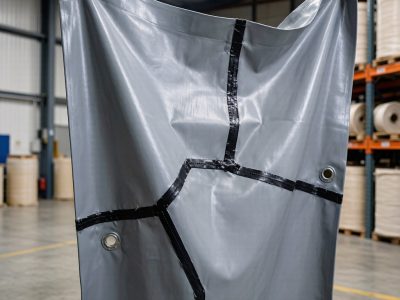
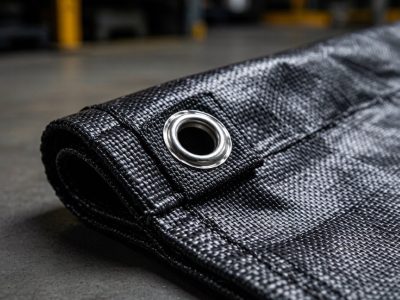
Consider how the tarpaulin will be fixed. Reinforced hems, webbing loops, grommets and welded seams all add strength and convenience. If standard sizes do not fit your application, a custom-made tarpaulin is often more cost-effective than adapting an off-the-shelf product.

Still not sure? Contact our team — we will help you select the right grade for your specific conditions and budget.
One more distinction deserves its own paragraph, because it causes the most expensive buying mistakes: the difference between what a tarpaulin weighs and what a tarpaulin withstands. Two fabrics at the same grams-per-square-metre can differ enormously in tear strength if the base weaves differ — a high-tenacity polyester weave at 650 gsm will outperform a low-denier weave at 700 gsm in every mechanical test that matters. When quotes arrive, resist comparing the weight column first; compare tensile and tear values, then weight, then price. Suppliers who lead with weight alone are usually hiding something in the other columns.

Cold weather is the second silent killer of tarpaulin budgets. PVC compounds plasticized for temperate climates gradually stiffen as temperatures fall, and a cover that survives a European winter may crack through its first Inner Mongolia or Canadian January. Cold crack temperature is a standard datasheet line — know the coldest night your cover will see, and add margin. The same logic runs the other way for equatorial service, where UV packages, not cold ratings, decide how the fabric ages.

Finally, think in total cost rather than purchase price. A heavier, better-formulated tarpaulin that lasts four seasons beats a light one replaced annually — not only in fabric cost but in the labour of re-rigging, the downtime of uncovered cargo, and the waste stream of discarded sheet. Our guide exists to make that arithmetic easy; when you are ready to compare real constructions, our team will supply datasheets for every claim on this page.

How do I choose the right tarpaulin weight?

Match weight to duty cycle: lighter grades around 500-650 gsm suit curtains and frequently handled covers, while heavier grades serve truck covers, shelters, and wind-loaded structures. Compare tensile and tear strength before weight, since base weave quality matters more than gsm alone.

Is PVC tarpaulin better than PE tarpaulin?

For long-term outdoor service, yes: PVC tarpaulin welds into strong seams, resists UV without becoming brittle, and carries heavier loads. PE tarpaulin remains economical for short-term or seasonal covers where welding and multi-year life are not required.

What certifications should an industrial tarpaulin have?

Confirm fire retardancy certification against the standard your project references (such as DIN 4102 B1 or EN 13501) for public-facing structures, and request datasheets for UV treatment, cold crack temperature, and tensile/tear values in both directions.