Skip to content

Choosing the Right Mesh Count for Printable Flex Banner Materials

April 19, 2026 kezhibo News
科智博 于2026年扩大涂层织物生产线以满足全球需求 - 科智博

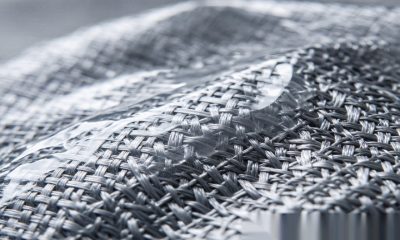
Printable flex banner materials are available in a range of mesh counts that balance print sharpness against weight and wind permeability. Higher mesh delivers crisper imagery for close-view indoor displays, while lower mesh performs better on large outdoor hoardings.

Kezhibo supplies knife-coated frontlit and backlit substrates with consistent ink adhesion, helping print houses achieve vivid, durable results across campaigns.
Related resources

Mesh count decisions ripple further than most print buyers expect, because the banner's viewing distance, wind load, and ink system all pull the specification in different directions. Close-range retail graphics need fine, tight weaves that hold dot detail; highway hoardings forgive coarse weave and reward heavier weight that hangs flat; scaffolding wraps on exposed sites need open mesh that bleeds wind through at the cost of some print resolution. Trying to satisfy all three with one product is how banners fail at exactly the job they were bought for.

The interaction with ink chemistry is the part worth testing yourself. Solvent, eco-solvent, UV-curable, and latex systems each sit differently on lacquered banner surfaces, and the same fabric that prints beautifully with one can band with another. This is why our banner fabrics are available as print-test rolls: run your production profile on a short length before committing a campaign. Coating uniformity matters as much as mesh count — banding from uneven coating mimics a print defect, and only controlled knife-coating prevents it. Judge fabric by printed output, not by looking through it at a light.

What mesh count should I choose for a banner?

Match mesh to viewing distance and wind: fine, tight weaves hold dot detail for close-range retail graphics; heavier standard constructions hang flat on highway hoardings; open mesh bleeds wind through for scaffolding wraps and exposed fence banners.

How does ink type affect banner fabric choice?

Solvent, eco-solvent, UV-curable, and latex systems sit differently on lacquered surfaces — the same fabric can print beautifully with one system and band with another. Run a production-profile test on a sample roll before committing a campaign.

What causes banding defects in printed banners?

Banding often comes from uneven coating thickness rather than the printer — variation in the coating mimics a print defect. Controlled knife-coating with uniform thickness across the roll is the prevention.