Background: how office textile specs are written
Office chairs, conference seating, soft seating and reception textiles are not bought because they ‘look nice’ — they are specified against standards. European office projects write abrasion, flame retardancy, antimicrobial performance and cleanability into the tender at the spec stage. Coated fabrics (PVC-coated or polyurethane) win contract-market share because they clean easily, hold batch-to-batch colour, and carry recyclability — and ORGATEC 2026 in Cologne (27–30 October) is exactly where office textiles get specified.
Technical principle: abrasion, backing and certification
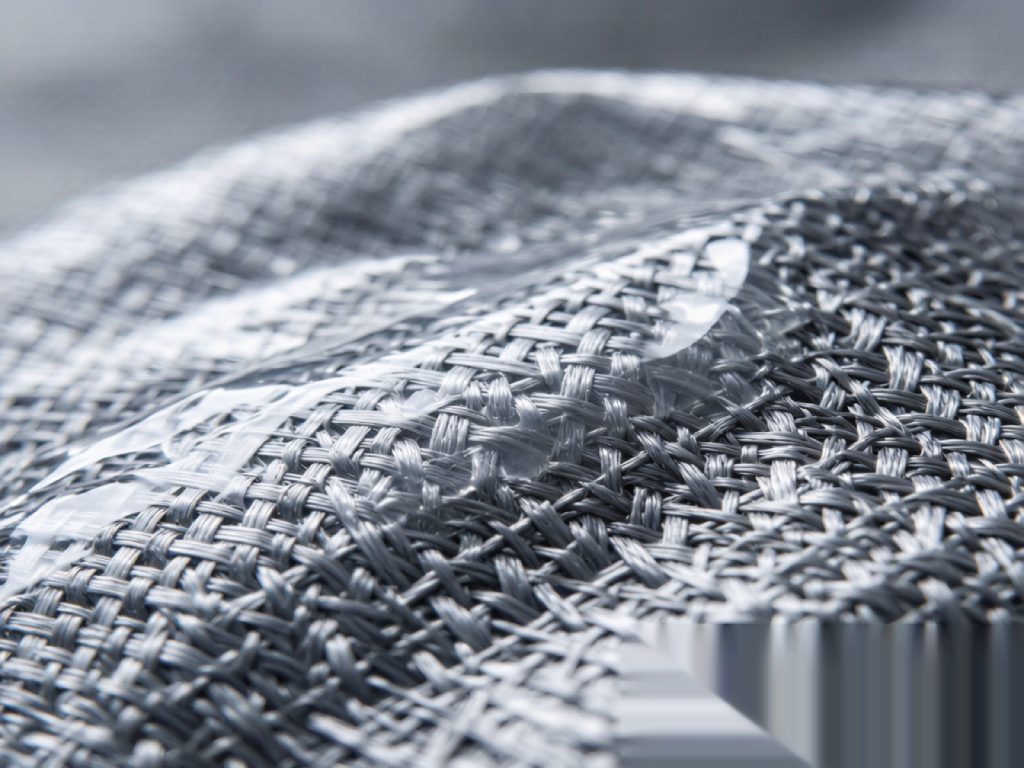
Portugal’s Monteiro Fabrics (manufacturing since 1967) showcased contract-grade coated fabrics at ORGATEC 2026 with representative numbers: Martindale abrasion up to 400,000 rubs (ISO 5470-2), weight 600–920 g/m², PVC coated on cotton, poly-cotton or polyamide backing, width 1.37–1.40 m, roll length ±25–35 m. Its FURNA line (760 g/m², PVC 83% / CO 17%) and MARA line (920 g/m², PVC 76% / CO 24%) both reach 400,000 Martindale, with Sanitized® antimicrobial finish, alcohol and bleach resistance, and a 10-year warranty (monteirofabrics.com/pages/orgatec-2026).
Fire and compliance are the entry ticket: Monteiro contract qualities pass EN 1021-1+2, BS 5852 Crib 5, DIN 4102 B2 and NF P 92-507 M2, and hold ISO 9001 and ISO 14001 (TÜV Rheinland certified), REACH compliance, phthalate free, and 100% vegan (Animal Free VVV+). These are not marketing words; they are hard thresholds in office specs.
Application scenarios
- Task and conference chairs: high Martindale, matte texture, light-fast for daylight workplaces, built for high-frequency use.
- Soft seating and reception: fabric-look qualities at lighter weight, easy to clean.
- Small-batch programmes and colour cards: stock service from one roll supports fast sampling and colour matching.
Market and trends
The contract furniture market now treats ‘sustainability + verifiable compliance’ as the default. Vegan, phthalate-free, third-party fire and antimicrobial certificates travelling with every roll have become standard for European office brands. Meanwhile long warranties (Monteiro claims 10 years, the market’s longest) lower the owner’s lifecycle cost and push coated fabric to replace some leather and woven textiles in contract channels.
Selection checklist
- Check Martindale: task/conference chairs ≥200,000 rubs, heavy-duty public spaces 400,000 rubs (ISO 5470-2).
- Check fire rating: confirm EN 1021-1+2, BS 5852 Crib 5, DIN 4102 B2, NF P 92-507 M2 per target market.
- Check hygiene: antimicrobial (Sanitized® class), alcohol/bleach resistance for healthcare, education, public space.
- Check compliance docs: ISO 9001/14001, REACH, phthalate-free, vegan certificates should travel with each batch.
Reading the test method helps buyers compare fairly. Martindale abrasion, ISO 5470-2, uses a rotating abrasive under a set load; the rub count at which the coating wears through defines the rating, so a 400,000-rub fabric outlasts a 200,000-rub one by a wide margin in daily office use. Light fastness matters too: daylight workplaces demand colour that does not shift, and coated qualities are typically rated for sustained UV exposure. Backing choice, cotton, poly-cotton or polyamide, trades hand-feel and cost against strength.
Where coated fabric beats woven alternatives is consistency. Batch-to-batch colour drift is tight, cleanability is deterministic, wipe with alcohol or dilute bleach, and a 10-year warranty signals the maker’s confidence in stock-service materials. For specification-driven office programmes that repeat across sites and years, that predictability is often the deciding factor over a marginally cheaper woven textile.
The contract channel is also where sustainability credentials are scrutinised hardest. A European office brand specifying seating for a new headquarters will typically demand the full certificate pack, ISO 9001 and 14001, REACH, phthalate-free, vegan, before a single metre is ordered. Suppliers that ship those documents with every roll, rather than on request, win the repeat programme business that anchors a coating mill’s order book.
Healthcare, education and public-transport fit-outs add a hygiene layer: antimicrobial finishes, Sanitized class, and resistance to alcohol and bleach keep surfaces safe through years of cleaning. That is why the same contract qualities appearing at ORGATEC also show up in clinics, lecture theatres and transit seating.
For buyers, the practical takeaway is to spec by the duty cycle, not the showroom sample. A reception sofa sees light, intermittent contact; a task chair in a 24/7 call centre sees constant abrasion and sweat. Matching Martindale, fire rating and hygiene treatment to the actual use case, rather than over- or under-specifying, is what keeps both cost and failure risk in check.
Colour and programme support round out the package: stock-service from one roll lets facilities teams top up or match across buildings and years without a full re-dye, protecting brand-consistent interiors.
Frequently asked questions
Q1: What Martindale is enough for office coated fabric?
A1: Task and conference chairs should target ≥200,000 rubs; heavy-duty public spaces pick 400,000 rubs (ISO 5470-2), paired with the right fire rating.
Q2: Is PVC coated upholstery environmentally sound?
A2: Check the certifications. Products that are phthalate-free, REACH-compliant, ISO 14001 and recyclable already meet most European office sustainability requirements.
Q3: Why does contract business prefer coated fabric over leather?
A3: Easy cleaning, tight batch colour, a 10-year warranty and lower owner lifecycle cost are what win office specifications.