
The short answer
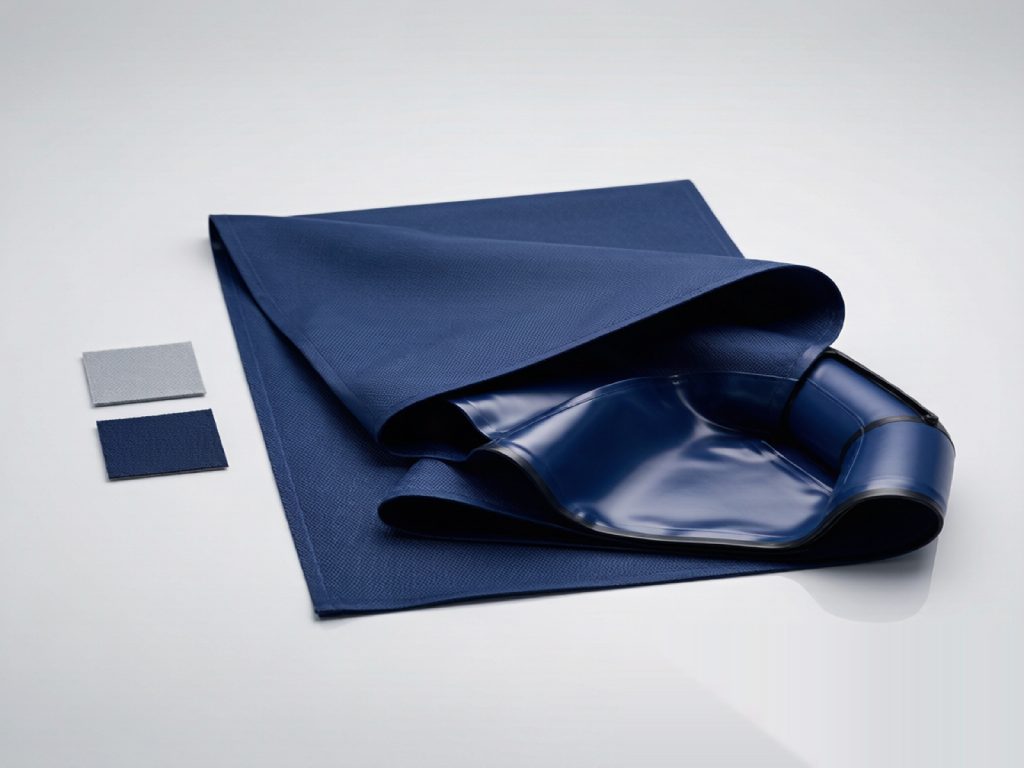
An inflatable rubber dam is a flexible bladder — reinforced rubber or PVC — anchored to a riverbed that you raise or lower by pumping air or water. It gives irrigation districts and municipalities minute-level control over water levels without pouring concrete.
What it is and how it works
The bladder, made of reinforced rubber or PVC, is anchored to the channel bed or banks. Inflate to raise the water, deflate to lower it. The WF90-1 model from inflatabledams.com is a set of interconnected rubber/PVC tubes that inflate in minutes, with height adjustable by inflation pressure to match flood intensity; after the event you deflate, rinse and pack it away, leaving no permanent footprint.
Where they earn their keep
- Irrigation: hold optimal levels in canals and irrigation systems to lift crop yields.
- Flood control: protect communities during heavy rain and divert flow.
- Recreation, temporary reservoirs and construction-site diversions (envychina flow-regulation overview).
Materials and durability
The fabric is UV-resistant, abrasion- and puncture-resistant. Against a traditional rigid dam, an inflatable dam needs far less site preparation, costs less and installs faster — which is exactly why it matters in emergencies. JACKWIN, for example, cites a 5–10 year service life for its fabric barriers.
Sizing and deployment
Modular by design: tubes connect end-to-end and can be stacked for height. A trained crew inflates them on site, and height is tuned to flood intensity by inflation pressure, then deflated and removed afterward.
Selection tips
Match the material — rubber versus PVC — to the duty: PVC is economical, rubber suits higher cyclic loads. Specify the inflation system, anchoring and monitoring, and integrate real-time water-level monitoring for proactive management.
Frequently asked questions
Q: How fast can an inflatable rubber dam be deployed?
A: Units like the WF90-1 inflate in minutes with a trained crew — no concrete, no heavy equipment. Height is tuned by inflation pressure.
Q: What’s the difference between a rubber dam and a PVC flood barrier?
A: Both use flexible PVC/rubber tubes. A rubber dam is anchored in a channel for ongoing flow regulation (irrigation, flood control); a flood barrier is a temporary wall deployed at doorways or basements.
Q: How long do these dams last?
A: Manufacturers cite UV- and abrasion-resistant fabrics with service lives around 5–10 years for fabric barriers, and longer for heavy rubber bladders under proper monitoring.












