
The short answer
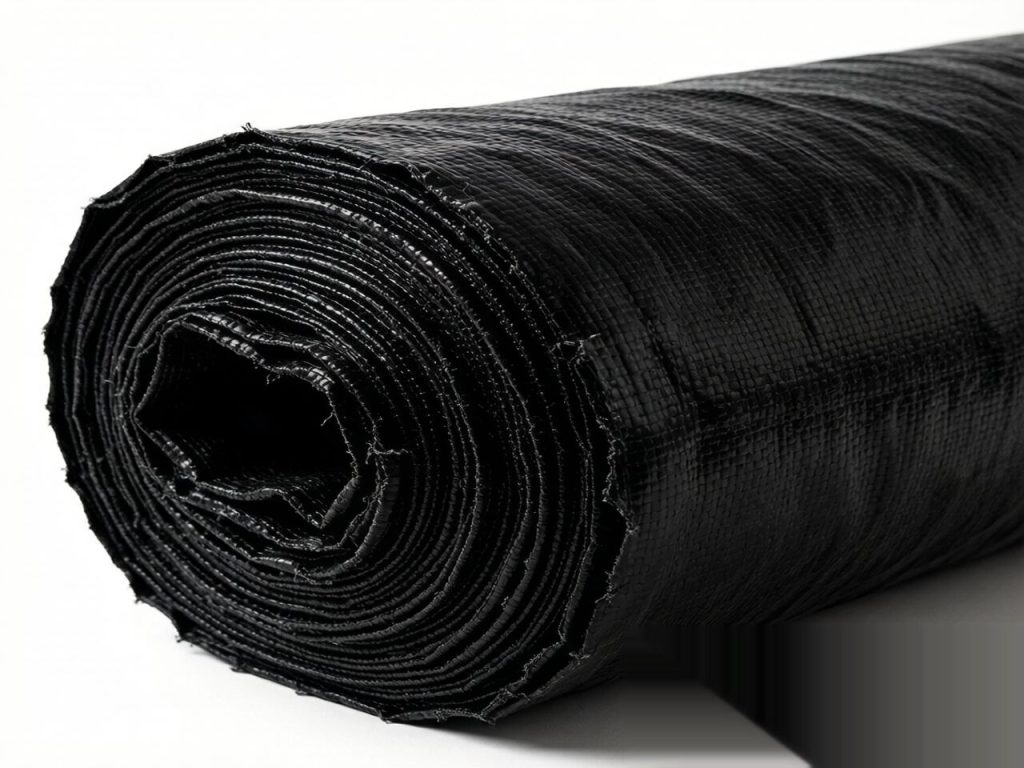
A PVC oil boom is a floating barrier — a buoyant float, a submerged skirt and a ballast chain — that corrals oil on water so skimmers can recover it. Built from high-strength polyester scrim with a PVC coating, hot-welded, it is the standard kit for ports, rivers and offshore response.
Anatomy of a boom
- The float (solid foam or inflated chamber) keeps the freeboard above water.
- The skirt (PVC-coated mesh fabric) blocks oil from passing underneath.
- The ballast chain holds the skirt vertical against the current (PVC-boom overviews; Litong foam-filled boom).
- Quick connectors join sections for modular length.
Why PVC coating
PVC coating resists oil, seawater corrosion, UV and tearing; booms are reusable and field-repairable. Huahai’s heavy-duty mesh boom uses a thickened modified flame-retardant PVC fabric and adds an underwater net to capture semi-submerged oil sludge — solving the industry limitation that ordinary booms cannot block sinking pollutants. It is routinely supplied to CNOOC and coastal maritime emergency reserves.
Deployment by scenario
- Small leaks (dock drips): light solid-float boom.
- Medium (rivers, depot perimeters): reinforced mid-grade.
- Nearshore wave zones: high-strength anti-wave PVC boom.
- Chemical-mixed spills: switch to chemical sorbents; the boom itself is unaffected.
Selection and care
Match to water condition, freeboard, draft, section length, deployment frequency and connector compatibility. Follow the response doctrine — contain first, then recover. Inspect floats and skirt before deployment, store dry, and repair locally.
Frequently asked questions
Q: What are the three parts of an oil boom?
A: A float (freeboard), a submerged skirt and a ballast chain. Together they form a vertical barrier that keeps oil on the surface from escaping under or over.
Q: Why choose PVC-coated fabric for booms?
A: PVC coating resists oil, seawater, UV and tearing; booms are reusable and field-repairable. Heavy-duty mesh variants also capture semi-submerged sludge.
Q: How do you deploy a boom correctly?
A: Contain first, then recover. Lay the boom across or around the spill, connect sections, anchor the skirt with the ballast chain, then skim. Inspect and dry-store afterward.












