Skip to content

PVC Membrane Structures: Sustainable Architecture for the Future

August 5, 2026 kezhibo News
Pvc Membrane Structures Sustainable - KeZhiBo

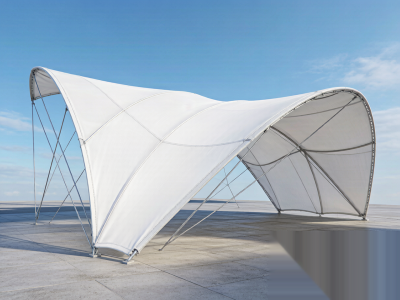
Tensioned PVC membrane structures have become one of the most exciting developments in modern architecture. From stadium roofs to exhibition halls and bus shelters, these lightweight fabric structures combine striking aesthetics with outstanding practical benefits.

Why Architects Choose Membrane Structures

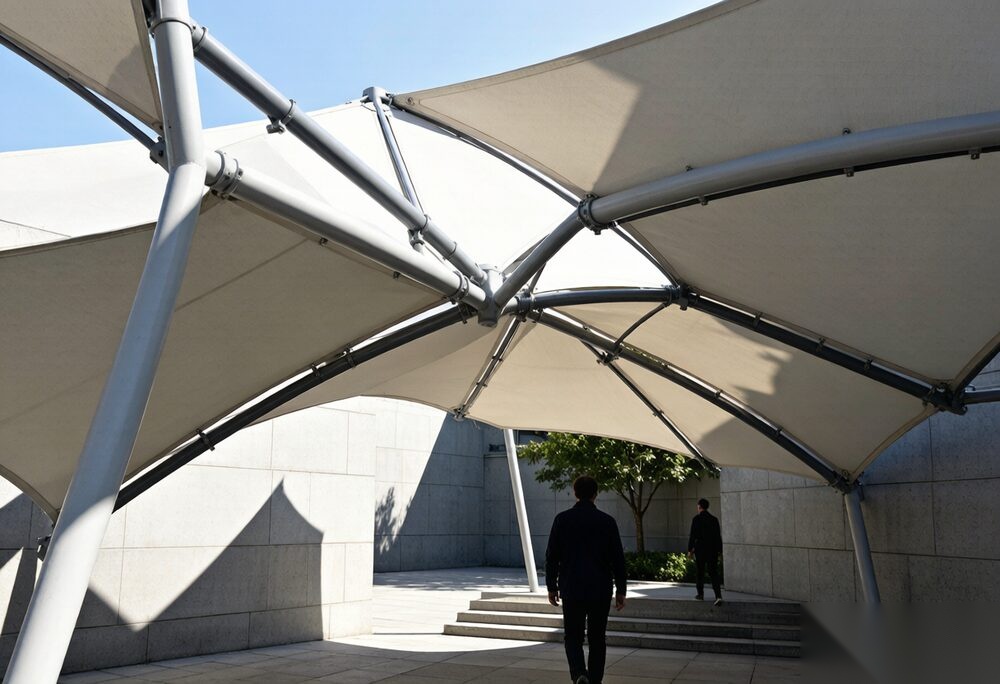
Membrane structures are dramatically lighter than conventional roofs, which reduces the size and cost of the supporting steelwork. They also allow natural daylight to filter through the fabric, cutting artificial lighting requirements and creating bright, welcoming interior spaces.

Self-Cleaning and Low Maintenance

High-quality architectural PVC membrane is finished with a special top coating that prevents dirt from bonding to the surface. Rain naturally washes the roof clean, which means maintenance costs stay low over the life of the structure.

Fast Construction

Fabric panels are prefabricated and welded in the factory, then tensioned on site. This approach dramatically shortens construction time compared to conventional roofing, making membrane structures an attractive option for projects with tight schedules.

A Sustainable Choice

Less material, less steel, less energy — and modern PVC membranes are increasingly designed for recycling at the end of their service life. For architects and developers focused on sustainability, PVC membrane structures offer a compelling path forward.

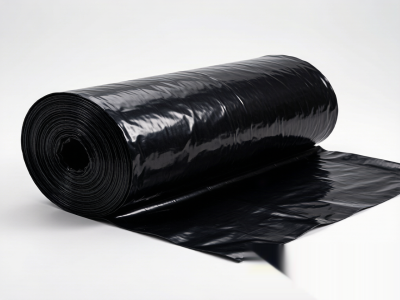
Kezhibo manufactures architectural PVC membrane in a range of weights and grades to meet the requirements of projects of every scale.
The sustainability argument for membrane structures deserves more precision than it usually receives, because the honest version is more interesting than the slogan. A PVC membrane roof uses a fraction of the structural material of a steel or concrete equivalent — the fabric and its supporting cables weigh in kilograms per square metre where rigid roofs weigh in tens. That means smaller foundations, less transport energy, faster erection, and, at end of life, a much smaller demolition mass. These are measurable, mechanical advantages that hold up in any lifecycle conversation.

The more debated part is the PVC itself. Modern membrane compounds have moved substantially: stabilizer systems have eliminated heavy-metal additives across the reputable supply base, PVDF-type lacquers extend cleaning intervals so the embodied cost of maintenance falls, and take-back schemes in several European markets now recycle membrane offcuts into useful products. Buyers can push this further by asking suppliers pointed questions — which stabilizers, what lacquer chemistry, what recycling route exists in the destination market. Suppliers with real answers are worth finding; suppliers without them are telling you something.

Daylighting is the quiet sustainability win that rarely makes headlines. A translucent membrane roof delivers usable daylight deep into a plan, cutting artificial lighting loads during operating hours — in sports halls and atria, that is an ongoing energy saving measured every single day of the building's life. When your engineer models the roof, ask them to model the lighting load too; the combination is often what makes the membrane option win.

Are PVC membrane structures environmentally sustainable?

They use a fraction of the structural material of rigid roofs — lighter foundations, less transport energy, and smaller end-of-life mass. Modern compounds have eliminated heavy-metal stabilizers, and PVDF-type lacquers reduce cleaning frequency; recyclability depends on the destination market's recycling infrastructure.

How long do PVC architectural membranes last?

Quality PVC-polyester membranes with UV-stabilized compounds and protective lacquers are engineered for long-term outdoor service, with lifetime driven mainly by coating formulation quality, lacquer type, and seam execution rather than fabric weight alone.

Do membrane roofs provide natural daylight?

Yes. PVC architectural membranes typically transmit a useful share of daylight, softening interiors and reducing artificial lighting loads during daytime — a measurable ongoing energy benefit in sports halls, atria, and similar buildings.