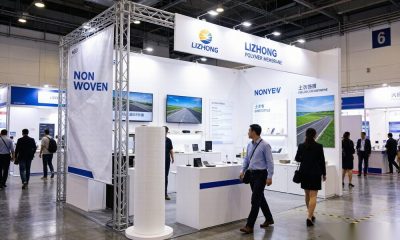
Kezhibo used the International Techtextil Fair — the leading global gathering for technical textiles and nonwovens — to unveil its next-generation TPU coated fabric range. The debut drew engineers, distributors and product designers from more than a dozen countries, many of whom spent time at the booth reviewing sample books and discussing custom lamination options. This article summarises what was shown, why TPU is gaining ground, and what comes next for the series.
A Platform for Next-Generation TPU
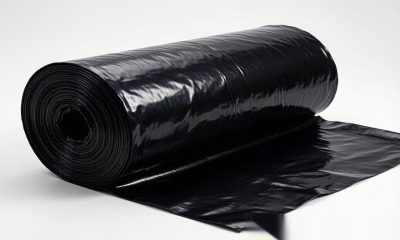
TPU, or thermoplastic polyurethane, has long been valued in demanding flexible applications for its combination of elasticity, toughness and clean processing. Kezhibo’s new series brings those properties to coated fabrics engineered for superior flexibility, abrasion resistance and low-temperature performance — areas where conventional PVC compounds can reach their limits. The materials were presented as production-grade, not laboratory curiosities, with roll samples available for hands-on evaluation.
What We Unveiled
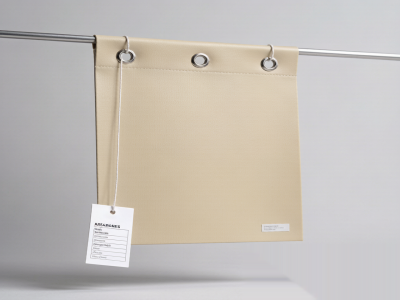
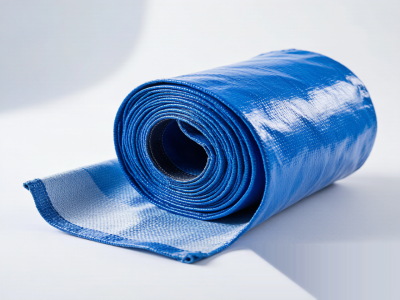
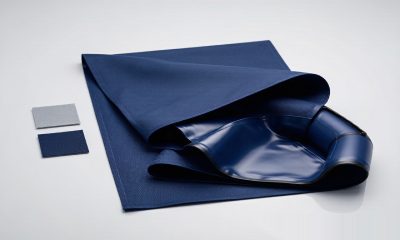
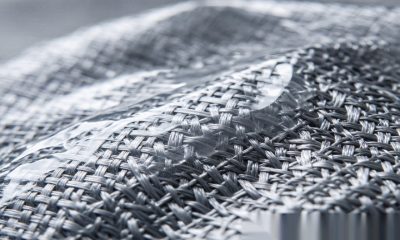
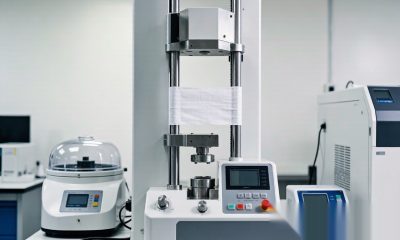
The headline exhibits were TPU-coated polyester and TPU-coated nylon constructions spanning several weights. Visitors could compare hand-feel, fold behaviour and surface finish, and review technical datasheets covering tensile and tear strength, low-temperature flexibility and abrasion cycles. A small display contrasted TPU with comparable PVC and TPO builds to illustrate the differences in softness, recovery and weld seam quality.
Performance Properties That Set TPU Apart
- Flexibility and recovery. TPU stays supple at low temperatures where rigid PVC coatings can stiffen and crack.
- Abrasion resistance. High cycle-life makes it suitable for repeatedly folded or rubbed surfaces such as inflatable walls and protective sleeves.
- Weldability. Like PVC, TPU can be hot-air or high-frequency welded, enabling clean, strong seams without stitching.
- Low extractables. Relevant where contact cleanliness matters, including medical and food-adjacent environments.
Where TPU Wins: Inflatable, Protective, Medical
The new series targets three application families where PVC alternatives face regulatory or performance limits:
- Inflatable structures. Bouncy castles, temporary arches, rescue boats and pneumatic shelters all benefit from TPU’s low-temperature flexibility and fatigue resistance.
- Protective covers. Equipment shrouds, transit cases and abrasion-exposed sleeves where a soft yet tough skin is required.
- Medical-grade applications. Cushions, supports and barrier products where low extractables and clean processing are prioritised.
Engineers evaluating coated fabrics for these uses can review our coated fabrics portfolio for comparable PVC and TPU options side by side.
TPU vs PVC in Regulated Markets
In markets and applications where regulators restrict certain plasticisers or where end-of-life recyclability is contractually required, TPU offers a pathway that sidesteps those constraints. It is thermoplastic, so offcuts and end-of-life material can be reprocessed, and it avoids the additive chemistry that triggers restrictions in some regions. That does not make PVC obsolete — PVC remains the cost-performance leader for the bulk of industrial tarpaulins and membranes — but TPU gives specifiers a compliant alternative where the brief demands it.
From Show Floor to Production Line
Mass production of the new TPU series is scheduled to begin in the third quarter, with samples available to qualified partners on request ahead of full commercial release. Kezhibo is offering custom lamination and colour matching for partners with volume commitments, and the Xiamen production base has been prepared to absorb the new line alongside existing PVC and TPO output.
Engagement and What Comes Next
The booth conversations centred on two themes: how to replace PVC in regulated applications without losing weldability, and how to tune TPU softness and weight for specific inflatable and protective products. Kezhibo’s engineering team is following up with sampled partners and expects to publish full technical datasheets as the production ramp approaches.
A Practical Sample-Evaluation Checklist
For engineers moving from interest to specification, we recommend a short evaluation protocol: confirm the TPU grade’s low-temperature flex point against your coldest service condition; run an abrasion cycle count matched to the product’s expected life; verify weld seam strength on your chosen seam method; and check extractables or odour if the end use is medical or food-adjacent. Kezhibo supplies datasheets covering these parameters and can prepare matched weld samples so your team tests the actual seam, not just the flat film.
Supply, Samples and Minimum Order
Ahead of the third-quarter production start, Kezhibo is releasing sample books to qualified partners and accepting custom lamination enquiries. Minimum order quantities for bespoke colours or weights are discussed case by case, and our Xiamen base can hold buffer stock for partners with forecast volume. We encourage design teams to request samples early so validation runs in parallel with the production ramp rather than after it.
The Regulatory Landscape for Plasticisers
Much of the interest in TPU traces back to restrictions on certain phthalate plasticisers used in conventional PVC. TPU is formulated without those additives, which simplifies compliance for brands selling into markets with tight chemical regulations. That said, TPU is not automatically “green” — like any polymer it carries an energy and material footprint — so the honest comparison weighs regulatory access, recyclability and total cost together. For many applications the pragmatic answer is a portfolio that keeps PVC as the value option and uses TPU where regulation or performance forces the upgrade.
Comparing Total Cost of Ownership
TPU typically carries a higher material price than PVC, but that headline number misses the lifecycle. Longer service life in abrasive or low-temperature duty, simpler end-of-life reprocessing, and avoided compliance cost can narrow or reverse the gap for the right application. Kezhibo helps partners build a like-for-like comparison using expected cycle life and duty profile rather than spot price alone, so the material decision rests on the product’s real economics.
If your product roadmap includes TPU-coated fabrics — for inflatables, protective covers or medical-grade uses — contact our team to request samples and discuss custom lamination before the third-quarter production start.