
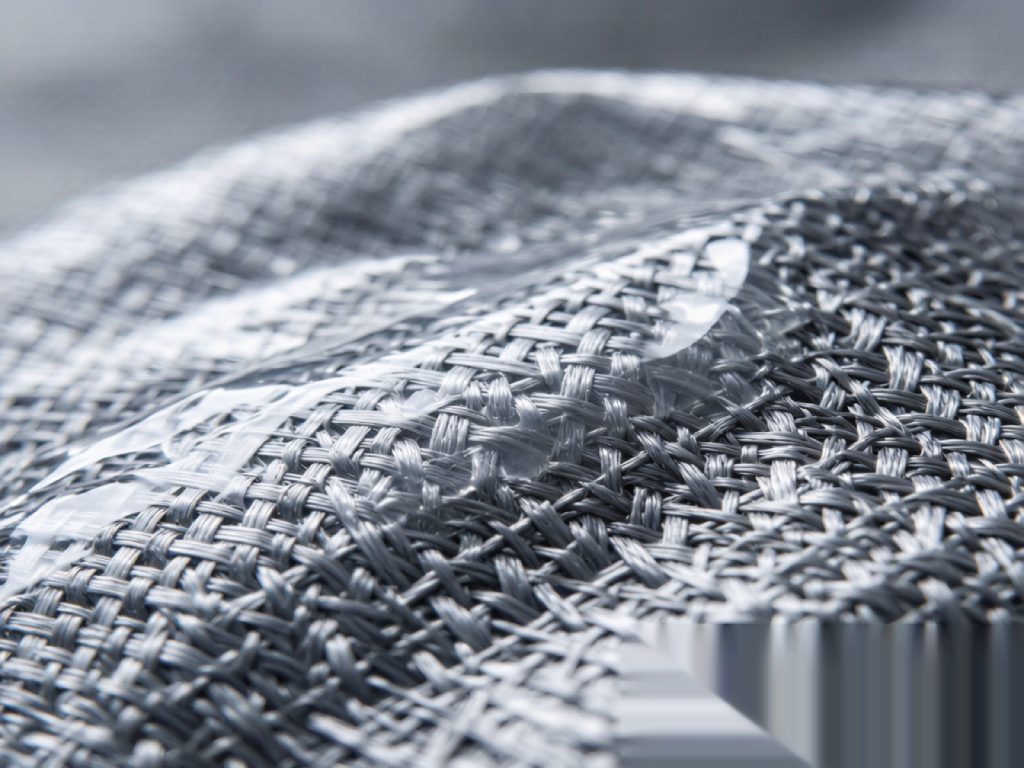
TL;DR: Waterborne PUD coatings deliver a 45% GWP reduction over solvent-based PU, making carbon-neutral PVC industrial fabrics achievable
Covestro’s INSQIN® waterborne polyurethane dispersion (PUD) coatings have demonstrated a global warming potential (GWP) up to 45% lower than conventional solvent-based polyurethane coatings, according to the company’s 2025 whitepaper on carbon-neutral coated textiles. The textiles industry generates 1.2 billion tonnes of CO₂e annually and produces 92 million tonnes of landfill waste, making coated textiles a critical frontier in industrial decarbonization. Covestro’s bio-based Impranil® CQ variants further contain up to 67% bio-based carbon via mass balance methodology, offering manufacturers a drop-in sustainability upgrade without sacrificing performance.
Why is the coated textiles industry under unprecedented decarbonization pressure?
The global textiles and apparel sector represents approximately 8% of worldwide greenhouse gas emissions, a figure greater than the entire aviation and maritime industries combined. Within this footprint, coated fabrics—which serve industrial applications from truck tarps to inflatable structures—carry a disproportionately high carbon burden due to solvent-based coating processes that require energy-intensive curing and generate volatile organic compound (VOC) emissions.
Regulatory pressure is accelerating this transition. The EU Strategy for Sustainable and Circular Textiles sets ambitious targets for the 2025–2030 period, including mandatory digital product passports and extended producer responsibility schemes. Certifications like BlueSign®, ZDHC, and OEKO-TEX® are increasingly specifying waterborne coating systems as a baseline requirement for supply chain access.
For industrial fabric manufacturers serving the EU market—and increasingly global buyers in automotive, construction, and logistics sectors—transitioning to waterborne PUD coatings is no longer a voluntary sustainability initiative. It is becoming a prerequisite for market access. This is particularly relevant for PVC-coated fabrics, where solvent-based polyurethane topcoats have been the industry standard for decades.
How exactly does INSQIN® achieve a 45% GWP reduction?
Covestro’s INSQIN® portfolio addresses carbon reduction at three levels: raw material sourcing, coating application, and end-of-life circularity. Here is a breakdown of the key mechanisms:
| Comparison Factor | Solvent-Based PU Coating | INSQIN® Waterborne PUD | Reduction |
|---|---|---|---|
| Global Warming Potential (1000m² synthetic leather) | Baseline | 45% below baseline | -45% |
| VOC Emissions | Typically 150–400 g/L | < 50 g/L (often near-zero) | -85%+ |
| Process Energy (solvent recovery/incineration) | Required RTO system | No solvent recovery needed | Variable, typically -30% |
| Bio-based Carbon Content (Impranil® CQ) | 0% (fossil-based) | Up to 67% via mass balance | +67% |
The 45% GWP figure is derived from a 2024 Covestro-commissioned lifecycle assessment comparing waterborne INSQIN® formulations against conventional solvent-based polyurethane equivalents across 1,000m² of synthetic leather production. The analysis cradle-to-gate emissions, evaluating raw material extraction through manufacturing and distribution.
“The majority of CO₂ emissions in coated textiles come from raw materials,” explain Julia Cramer, Head of Global Marketing Textile Coatings at Covestro, and Dr. Inga Bargende, Business Development Manager. “Our portfolio of waterborne polyurethane dispersions (PUDs) is already making a positive impact.” This insight points to a critical industry shift: sustainability cannot be layered onto existing processes—it must be engineered into the molecular backbone of the coating system itself.
What mass balance methodology means for practical manufacturing
Covestro’s Impranil® CQ product line uses mass balance (MB) methodology to integrate bio-based feedstock into polyurethane production. Rather than physically separating fossil and bio-based molecules—a prohibitively expensive and energy-intensive process—mass balance tracks sustainable input through the production chain, enabling certified allocation of bio-based content to specific product grades.
For industrial fabric manufacturers, this means they can order a waterborne PUD coating with a guaranteed percentage of bio-based carbon without changing their existing coating lines. The transition is plug-and-play: same application equipment, same curing temperatures, similar drying times, but with significantly lower environmental impact. This is a crucial advantage over emerging alternatives like polyolefin coatings, which often require entirely new production infrastructure.
The mass balance approach is independently audited under ISO 14067 and BS ISO 14067 standards, providing verifiable carbon data that can be communicated downstream to customers and used in sustainability reporting.
Where can industrial fabric suppliers deploy waterborne PUD coatings today?
Covestro’s INSQIN® portfolio covers multiple industrial coating applications relevant to PVC-coated fabric suppliers:
- Truck tarpaulins and side curtains: Waterborne PUD coatings provide excellent mar resistance and UV stability while meeting strict VOC limits for European transport regulations. See our heavy-duty PVC tarpaulin fabrics and PVC truck side curtain fabrics.
- Tensile membrane structures and architectural membranes: The water-based system eliminates the need for solvent recovery in large-area coating lines, reducing operating costs and emissions simultaneously. Learn more about our tensile membrane fabric offerings.
- Inflatable structures and airtight fabrics: Bio-based PUD variants maintain excellent air retention properties while meeting sustainability requirements specified by outdoor and marine industry buyers. Explore our PVC air-tight fabric solutions.
A key practical consideration: waterborne PUD coatings require careful formulation to ensure compatibility with PVC substrates. The pH balance, cross-linker chemistry, and drying profile must be tuned to the specific PVC resin and plasticizer system being used. Covestro provides extensive technical support and in-plant pilot testing to facilitate smooth transitions.
What does the carbon-neutral roadmap look like beyond 2026?
Covestro has outlined a multi-phase roadmap toward carbon neutrality in coated textiles:
- Near-term (2025–2027): Scale waterborne PUD adoption with 100% of INSQIN® production shifting to renewable or low-carbon electricity sources, and expanded bio-based content options reaching 80% in selected grades.
- Mid-term (2027–2030): Closed-loop recycling infrastructure development for coated textile waste streams, including chemical recycling processes that can recover polyurethane components from end-of-life fabric.
- Long-term (2030+): Bio-based backbone resins replacing fossil-based isocyanates in PUD formulations, potentially reducing product carbon footprint by an additional 50–60% beyond current bio-based variants.
This roadmap aligns with the broader industry trend toward circular economy principles. VinylPlus, the European PVC industry’s voluntary sustainability initiative, has committed to recycling 25% of all PVC produced by 2030, and waterborne coatings are expected to play a key role in enabling recyclability by eliminating solvent residues that complicate the recycling process.
Bottom line: PUD coatings are the most actionable decarbonization path for PVC industrial fabrics
Waterborne polyurethane dispersion coatings deliver the most practical and immediate path to decarbonizing PVC industrial fabrics. The 45% GWP reduction is not aspirational—it is a measured, auditable, and scalable improvement that can be deployed on existing manufacturing infrastructure. With regulatory pressure mounting across the EU and supply chain demands evolving globally, the question is no longer whether to transition, but when.
Sources: Covestro Whitepaper “A Carbon-Neutral Future for Coated Textiles” (2025); Covestro INSQIN® Product Page; ISO 14067 Greenhouse Gas Standards; European Commission Strategy for Sustainable and Circular Textiles (2022); Reports and Data Coated Fabric Market Report (2026).












