
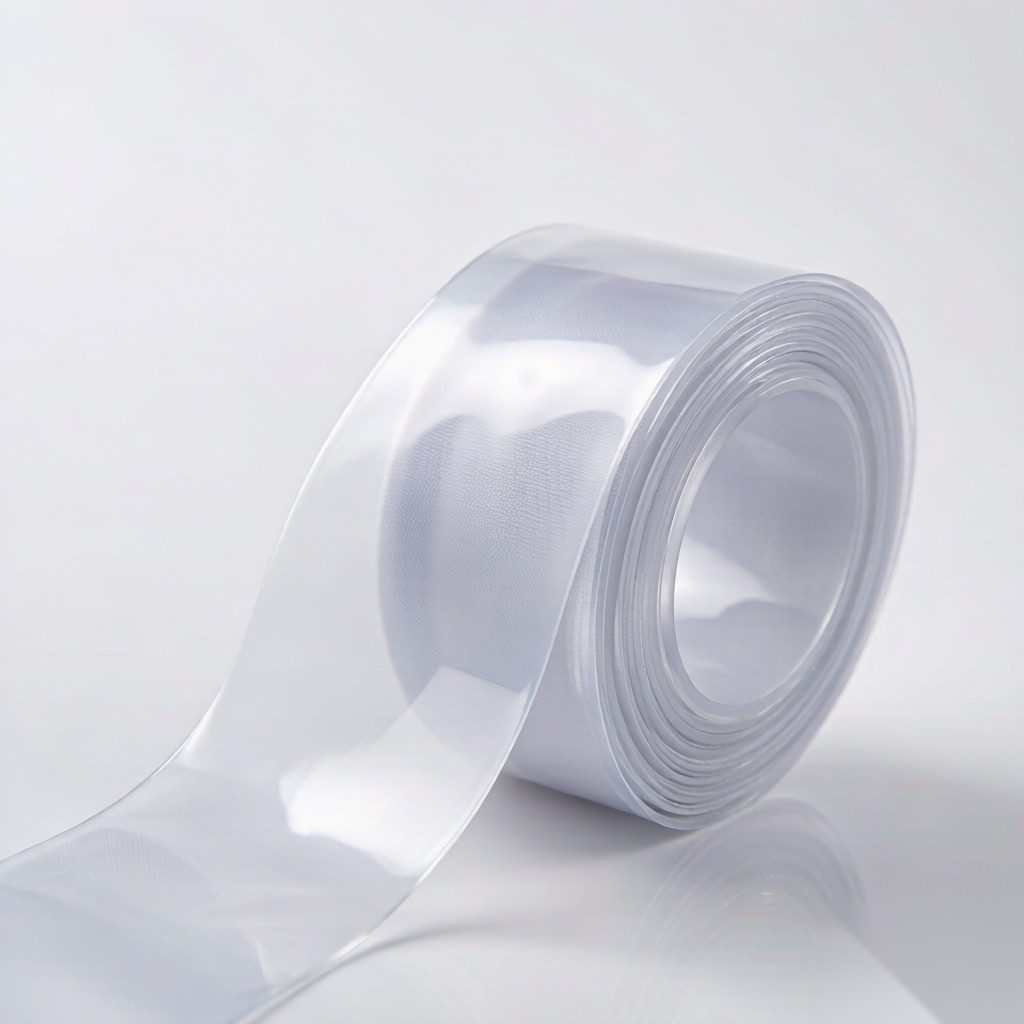
The core question: what PVC greenhouse film does better than PE
Transparent and translucent PVC tarps are becoming a preferred greenhouse covering. They transmit light well, resist UV, and weather reliably—more flexible and cheaper than glass or polycarbonate. The key numbers: light transmittance up to 92% for clear film, thickness 0.3–1.2 mm (8–20 mil), operating temperature −30°C to +70°C. They fit backyard mini-greenhouses, commercial houses, nursery shelters, and cold frames.
Material and how it works
The structure is still PVC-coated polyester or calendered film. yzyjtarps’ clear PVC tarp reaches 92% natural light transmittance, 8–20 mil thickness, fully reinforced edges with rust-proof metal grommets every 18–24 inches. Hindered amine light stabilizers (HALS) plus anti-fog additives block 99% of harmful UV; BASF testing showed full protection for 3–4 years under strong direct sun, outperforming ordinary plastic film. ytshadenet’s translucent grade transmits 30–80% light, 0.30–1.20 mm thick, 300–900 gsm, with optional flame retardancy.
- Light management: clear maximizes entry; translucent diffuses light, cutting glare and hot spots.
- Anti-fog/anti-drip: treatment stops water droplets filming the surface, preserving transmittance.
- UV resistance: the HALS package decides the 3–5 year tropical warranty.
Where it gets used
Jinxiang’s climate-specific advice is practical: tropical zones (Southeast Asia, parts of Latin America) need 600+ GSM with a strong UV package plus anti-algae biocides (Vietnam projects used this to stop algae blocking light); arid zones (Middle East) face heat-driven expansion, needing heat-resistant coating, 800+ GSM, reinforced corners, and light/reflective colors to cut internal heat; temperate zones focus on anti-drip and flexibility, 500–650 GSM balancing handling and durability.
An Ethiopian smart-farm case showed standard film built up static, attracting dust that triggered false sensor readings, over-watering, and fungal issues. Switching to anti-static PVC (surface resistance 10⁶–10⁹ Ω/sq versus >10¹² for standard) cut dust, stabilized light, and lowered maintenance. Buyers must request third-party surface-resistance and UV-stability reports for anti-static claims.
Market and trend
In 2026, urban farming and climate-adaptive agriculture lifted demand for clear greenhouse tarps. EASTARP’s 20 mil small-house film, Ansgery’s 16 mil three-layer woven PE (80% light), and chicarry’s 6 mil economical seasonal film form a price ladder. Buyers are shifting from “thickness only” to “climate match plus verified reports.”
Procurement checklist
- Light need: seedlings want high transmission (clear 92% or 6–15 mil); heat avoidance uses diffuse/light colors.
- Thickness and weight: 6–15 mil is the sweet spot; thicker holds warmth and lasts but is heavy.
- Fixing: reinforced hems + rust-proof grommets 18–20 inches apart; heat-sealed seams prevent leaks.
- Verification: demand Xenon-arc weathering and ISO 4674-1 tear third-party reports, not just the factory data sheet.
- Special climate: dusty zones consider anti-static; hot zones consider reflective light colors.
Practical notes from the field
Installation technique protects the investment. Tension the tarp tightly over a framed support, use reinforced grommets and rope hems so wind doesn’t flap and rip it, and angle the cover slightly to shed condensation and rain. Provide adjustable ventilation on sunny days to avoid overheating seedlings—trapped heat under a clear 92%-transmission film builds fast. Secure the edges to the ground to hold warmth overnight.
Budget tiers help match spec to use. Economy: 10 mil woven polyethylene—durable against wind and rain, good for temporary covers, but less optically clear. Mid-range: 12–15 mil PVC vinyl—better clarity, higher UV transmission, longer life, easier to monitor plants. Premium: large UV-stabilized rolls for custom builds where fit, longevity, and consistent performance matter more than upfront cost. For late-season seedlings, 6–15 mil is the sweet spot; 10–15 mil adds warmth retention.
One closing note: a film that goes brittle cracks at attachment points, opening entries for pests and pathogens. Selection is chemical precision, not “thicker is better”—match the local climate stress for a long life.












