The core question: what makes marine canvas different
Marine canvas is not ordinary outdoor fabric. It must survive sunlight, rain, saltwater spray, wind, abrasion, humidity, and repeated handling. Boat covers, bimini tops, yacht covers, dock tarps, and cockpit enclosures all rely on it. A PVC-coated polyester structure balances waterproofing, UV-aging resistance, mildew control, low-temperature flexibility, and roll-to-roll consistency—which is why it’s the B2B default.
Material and how it works
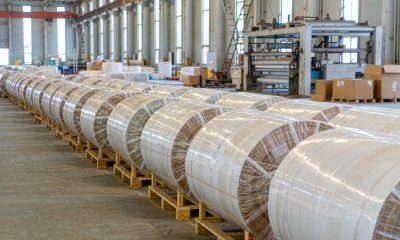
DERFLEX marine canvas runs 450–1500 gsm, widths up to 3.2 m, thickness 0.35–1.20 mm, temperature −40°C to +70°C, tensile 1200–4500 N/5cm, tear 80–400 N. Colors span navy, ocean blue, grey, white, black, green, and custom Pantone. It can be high-frequency welded or sewn, with optional anti-mildew, UV, flame-retardant, and cold-resistant treatments. Light 450 gsm grades suit shade and light covers; 1500 gsm serves industrial marine protection.
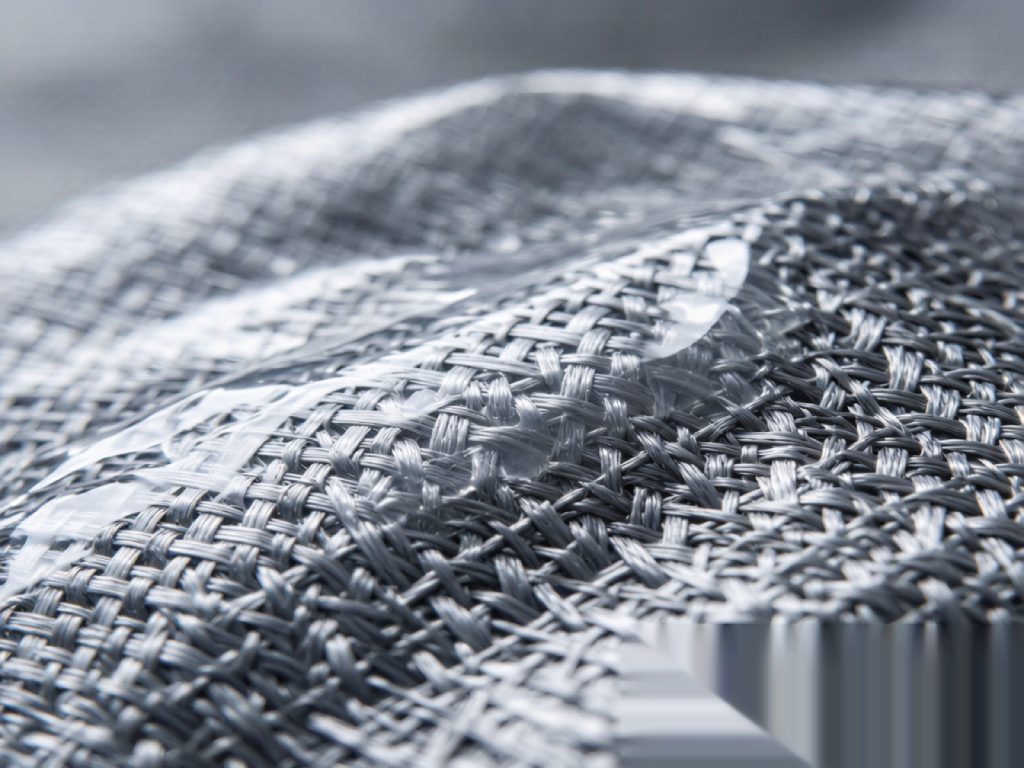
- Waterproofing: the PVC-coated polyester blocks rain, splash, and dock moisture.
- UV and aging: customized UV formulations slow cracking, fading, and coating breakdown.
- Mildew: humid marinas and tropical climates can specify anti-mildew treatment.
- Tear strength: the reinforced polyester base carries tension points, grommet zones, and corners.
Where it gets used
Lion City Canvas in Singapore describes the failure modes plainly: at the equator the UV index sits at 10–12 year-round, humidity rarely drops below 75%, and salt spray alternates with tropical rain. Standard outdoor fabric fails within 1–2 years—the thread rots first (conventional polyester degrades under UV and salt, splitting seams while the fabric still looks fine), then the coating peels and mold colonizes. Genuine marine work uses PTFE thread (Gore Tenara or equivalent) and 316 stainless or Delrin hardware; PVC marine canvas lasts 5–8 years with heat-welded seams giving the best waterproof integrity.
Market and trend
The DIY market centers on 600D/900D polyester with PVC or PU backing, 58–60 inch widths, easy cut-and-sew, UV-stable, fully waterproof. Trailerable covers like NEVERLAND use ripstop Oxford with 18 tie-down straps for wind security. Professional fabrication patterns directly on the boat, from 15 ft tenders to 60 ft motor yachts—biminis, cockpit enclosures, and marine cushions all cut to the vessel.
Procurement checklist
- Backing type: PVC backing is fully waterproof but stiffer; PU backing is lighter and softer but less breathable.
- Denier: 600D for general use, 900D for harsh climates and heavy covers.
- Hardware and thread: saltwater demands 316 stainless and PTFE thread, or seams rot first.
- Seams: commercial/permanent covers prefer heat welding; DIY sewing needs reinforcement.
- Color and life: dark absorbs heat, light reflects—match brand color and target lifespan.
Practical notes from the field
Matching width to the boat cuts labor and leak points. DERFLEX offers rolls up to 3.2 m wide; a wider roll means fewer seams on a long hull, and fewer seams means fewer places for stitch or weld failure. For bimini tops and T-tops, the fabric is patterned directly on the existing frame or a new stainless/aluminium frame is supplied, then the canvas is cut to the vessel—not pulled from a generic template.
Cushions and enclosures follow the same material logic. Marine-grade upholstery uses closed-cell foam that doesn’t absorb water, with quick-dry covers and drainage-mesh backing; cockpit enclosures add UV-stabilized clear vinyl (Stamoid/Strataglass class) that resists yellowing, with press-stud and zipper closures for access. The thread and hardware rule applies across all of it: PTFE thread and 316 stainless, or the piece fails at the fastener long before the cloth.
One often-missed point: PVC backing adds stiffness, so allow leeway for tight fits on complex hull curves. And PU coatings breathe poorly—ventilate enclosed spaces to avoid condensation.