
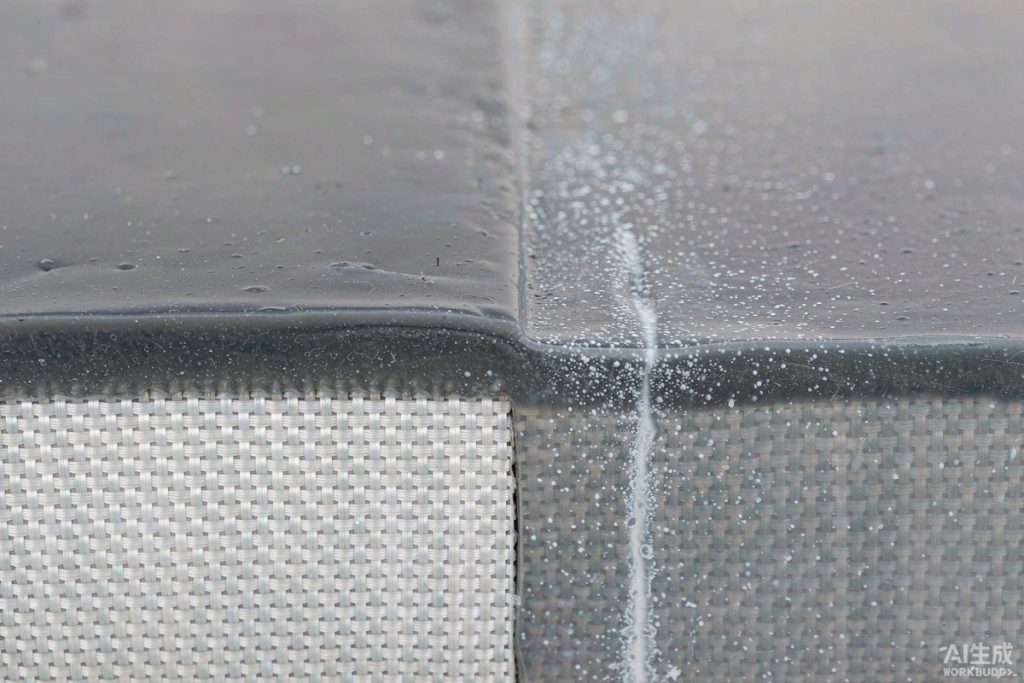
The most common mistake when specifying conveyor belt for a food plant is treating PVC as automatically food-grade. The real dividing line is formulation and use. Food-grade PVC belt uses high-purity raw material, a dense smooth surface and usually a white or pale colour so contamination shows. FDA compliance refers to limits on the migration of material components into food, documented by a manufacturer’s declaration of conformity — it is not a certificate issued for the whole belt (Everla, 2026). Grasp that distinction and procurement stops being driven by labels.
Sort the Station First: Direct or Indirect Contact
Outer-carton transport, finished gift boxes and bagged goods count as indirect contact, where food-grade PVC belt performs well. If the belt will touch oily ingredients or wet sauces directly, PVC’s tolerance limits show and it is not recommended (Everla, 2026). This is not a question of good versus bad material but of matching the working conditions. On one line, PVC makes sense at the rear confectionery packing stage while PU or a homogeneous clean-in-place belt belongs at the front-end meat cutting station.
Construction and Parameters
A typical food-grade PVC belt uses high-strength polyester woven fabric as the core, covered with a clean, odour-free layer; common thickness runs 1.5–3 mm. Blue FDA-grade belt is a frequent choice for food processing, beverage, pharmaceutical and packaging lines — resistant to oil, water and mild chemicals, suitable for flat and inclined systems (Indotrading, 2026-10-27). Chinese products often add skirts, cleats and guides by high-frequency welding, which stay neat and crack-resistant; pale bodies ease visual inspection and meet hygiene targets (B2B168, 2026-11-06).
- Core: woven polyester supplies tensile strength and lateral stability; bending losses stay manageable on short transfers and small rollers.
- Cover: dense, smooth and odour-free; clean with water or neutral detergent. Repeated hot-water washing or oil soak accelerates swelling and ageing.
- Temperature window: ambient to about 80 °C in dry, lightly damp stations is PVC territory. Oven discharge and frozen-food lines call for silicone/PTFE and PE respectively.
- Pattern: flat belts for horizontal runs; textured belts suit 0–45° bulk and bagged materials and improve throughput.
PVC vs PU vs Homogeneous Belt
None of the three wins outright; each fits different conditions. PU belt has a dense, low-pore surface that resists oil and juice penetration, making it common for meat cutting, prepared dishes and bakery cooling. Homogeneous clean-in-place belts have no fabric layer, so nothing traps residue or blood — they suit high-pressure washdown and audited fresh-food or dairy lines. PVC belt offers many patterns and a friendly cost band, fitting dry, oil-free packing and sorting such as biscuits, confectionery and fruit grading (Everla, 2026).
- Temperature: ambient to 80 °C dry stations use PVC; ovens need silicone or PTFE, freezers need PE.
- Oil: oil-free packing uses PVC; continuous oil from meat, seafood or sauces calls for PU or homogeneous belt.
- Cleaning: water or neutral detergent suits PVC; daily hot washdown or harsh chemicals call for hydrolysis-resistant PU or homogeneous belt.
- Cost: PVC wins on ambient dry sections; on high-abrasion stations frequent replacement can erase the saving.
How to Verify FDA Documentation
FDA compliance is not a permanent label stuck on a belt. Industrial formulations cannot supply food-contact conformity files; only belt made for food packaging with suitable raw material can issue the corresponding documentation. Check the test report for the specific formulation and its conditions of use, and confirm the file matches the belt batch. Textured and cleated variants need their own formulation reports too (Everla, 2026). Splices, skirts and cleats are often made from different material than the belt face — request their documentation as well.
Installation and Daily Handling
Even a correctly specified belt will fail early if tensioning and tracking are neglected. A belt that runs off-centre frays its edges within days, and excessive tension shortens bearing and splice life. Follow the supplier’s tensioning figure for the specific core construction, then recheck after the first hours of running, since a new belt settles. Clean from the front with a soft brush or low-pressure water rather than solvents that attack the cover; a food plant’s washdown routine should be matched to the belt’s stated chemical resistance. Store spare rolls flat or on edge in a cool, dark place away from direct sun, and avoid tight bends during handling — creasing a PVC cover creates a line that will later crack under repeated flexing over a small roller.
FAQ
Can PVC conveyor belt touch food directly?
It depends on formulation and station. A food-grade formulation is fine for dry, oil-free indirect contact such as outer packaging; stations with direct oily ingredients, wet sauces or frequent hot washdown are better served by PU or homogeneous belt. Always verify batch-specific food-contact documentation.
Is FDA approval a certificate for the whole belt?
No. FDA requirements concern limits on migration of components into food, usually documented by a manufacturer’s declaration tied to a specific formulation — not a certificate for the entire belt. Look at the test report and its conditions of use, not a label.
What is the temperature limit of food-grade PVC belt?
Roughly ambient to 80 °C in dry, lightly damp stations. Above 100 °C — oven discharge or hot-air drying — switch to silicone (about −40 to 180 °C) or PTFE (up to about 260 °C); for frozen-food lines consider PE belt.












