The Engineering Behind Pvc Membrane Waterproofing Lamination Adhesion Thermal Seaming Introduction
When civil engineers and waterproofing professionals specify PVC membranes for roofs, foundations, tunnels, and underground structures, they rely on a three-layer engineering foundation that determines whether the membrane will perform for 25 years or fail in 5: laminated structure, proper adhesion system, and thermal seam integrity. This article examines each layer in detail, drawing from Kezhibo’s 18 years of manufacturing waterproofing membranes for global construction projects.
Laminated Membrane Structure
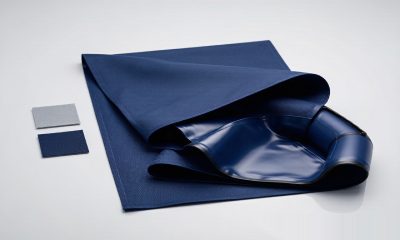
All premium waterproofing membranes are multi-layer laminates. The standard 2.0 mm membrane consists of:
- Top Layer — UV-Stabilized PVC (0.8 mm): Contains HALS stabilizers and titanium dioxide for outdoor UV resistance
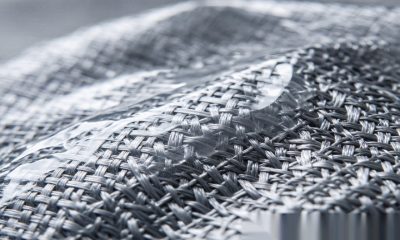
- Core Reinforcement — Polyester Mesh (150 gsm): High-tenacity woven fabric that provides tensile strength and dimensional stability
- Bottom Layer — Adhesive PVC (0.9 mm): Modified formulation with lower melt temperature for thermal seaming compatibility
Advanced lamination technology: Kezhibo uses a dry-lam process where all three layers are heated to precisely controlled temperatures and pressed together under 2.5 MPa pressure in a 20-meter-long calender stack. This molecular fusion — achieved without solvent-based adhesives — creates a bond that actually exceeds the tensile strength of the individual layers. Peel adhesion strength of Kezhibo laminates averages 14 N/mm, vs 7–9 N/mm for solvent-bonded alternatives.
Adhesion System Selection
The choice of adhesion system between membrane and substrate (concrete, steel, wood) is dictated by the application:
| Adhesion Method | Applications | Advantages | Limitations |
|---|---|---|---|
| Full-surface adhesion (cold-applied adhesive) | Flat roofs, foundation walls | Strong permanent bond, wind uplift resistance | High labor cost, solvent VOCs |
| Partial adhesion + ballast | Flat roofs, plaza decks | Low labor, allows thermal movement | Requires ballast (gravel, pavers) |
| Mechanical attachment (plates + screws) | Steel deck roofs, industrial buildings | Fast installation, weather-resistant | Penetrations must be sealed |
| Torch-applied (for asphalt substrate) | Bridge decks, parking structures | Integral bond with asphalt | Fire safety concerns |
| Self-adhesive (peel-and-stick) | Vertical surfaces, small areas | No special tools | Temperature-sensitive, limited shelf life |
For tunnel and underground applications (subway linings, water treatment facilities), full-surface cold-applied adhesion is mandatory per most European and North American design codes, as the membrane must resist both hydrostatic pressure from outside and positive water pressure from inside.
Thermal Seaming Technology
Seams are the weak point in any waterproofing system — not the membrane itself. Modern PVC membranes use one of three thermal seaming methods:
1. Hot-Air Welding
The most common field-installed method. A hand-held or automated welder directs hot air (220–250 °C) between two overlapping membrane layers while a pressure roller presses them together. Typical parameters:
- Overlap width: 100 mm minimum
- Welding temperature: 230 ± 10 °C
- Travel speed: 2.5–3.5 m/min
- Pressure roller: 60–80 kg
- Post-weld seam strength: ≥ 75% of membrane tensile
2. RF (Radio Frequency) Welding
Factory-fabricated panels use RF welding for superior seam quality. RF energy generates heat within the PVC molecular structure, creating a true weld rather than a heat-bonded overlap. Seam strength approaches 95% of base membrane tensile, and the weld has a slightly raised bead that provides additional structural reinforcement.
3. Extrusion Welding
For thick membranes (≥ 2.5 mm) and specialty applications, an extrusion welder feeds molten PVC rod into the seam groove, creating a fillet weld that reinforces the joint. Used primarily in industrial liquid containment and custom fabrication.
Anti-Wicking Treatment
A critical and often overlooked engineering detail: woven polyester reinforcement mesh can act as a capillary, drawing water along the fabric even if the membrane coating itself is intact. This “wicking” effect is prevented by saturating the mesh core with a special water-blocking compound during the lamination process. Kezhibo uses a proprietary paraffin-based wicking inhibitor that reduces capillary action by 99% while maintaining the fabric’s tensile properties.
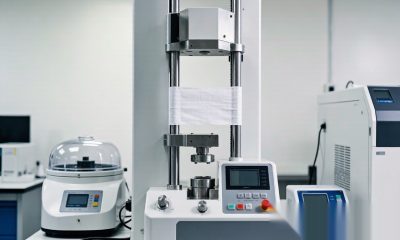
Test method: A 200 mm tall vertical strip of membrane is immersed 50 mm in water. After 72 hours, water rise above the waterline must be less than 5 mm. Kezhibo achieves < 2 mm — far exceeding the 10 mm maximum required by EN 13967.
Service Life Prediction
PVC waterproofing membranes are designed for 20–30 year service life. Accelerated aging tests show that properly formulated, laminated, and seam-welded membranes retain 85% of their original tensile strength after 10,000 hours of UV exposure (approximately 15–20 years real-world). Key factors in achieving full service life:
- Top coating with 2.5% HALS + 2% titanium dioxide
- Proper anti-wicking treatment
- Seam strength verified per ASTM D7246 on every installation
- Correct drainage slope (minimum 1:50 for flat roofs) to prevent ponding
Sustainability in Waterproofing
Modern PVC waterproofing membranes contribute to building energy efficiency: white or reflective formulations with high solar reflectance index (SRI > 100) reduce roof surface temperatures by 25–35 °C compared with black asphalt, cutting cooling costs by 10–15%. Additionally, Kezhibo membranes contain 20–30% recycled PVC from post-industrial scrap without compromising performance.
CTA: Waterproofing Engineering Design Support
Kezhibo provides full engineering support for waterproofing projects — from membrane specification and lamination design through installation supervision and quality testing. We supply premium laminated membranes to roofing contractors, civil engineers, and infrastructure developers worldwide.
View our waterproofing membrane portfolio: PVC Waterproofing Membranes