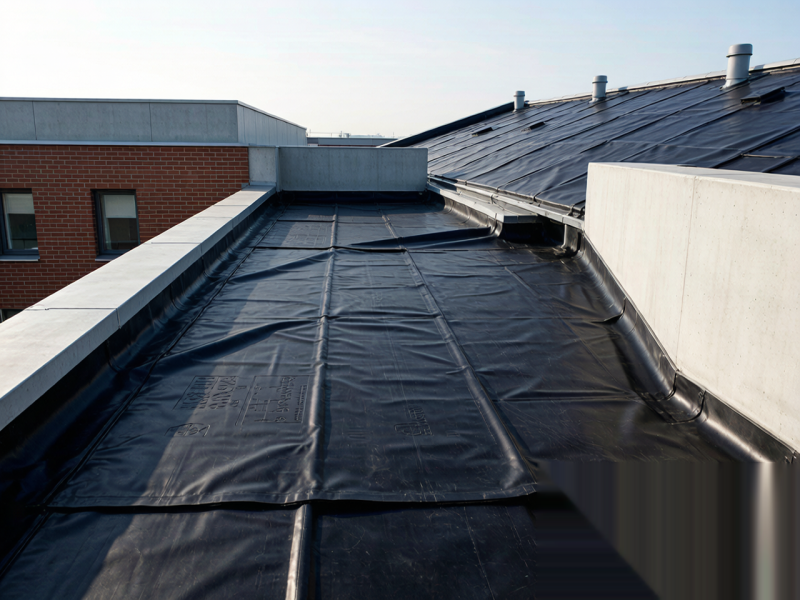
PVC Roof Waterproofing Membrane
Product Introduction
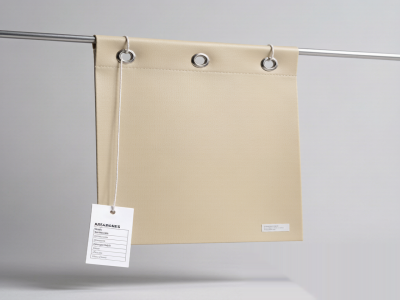
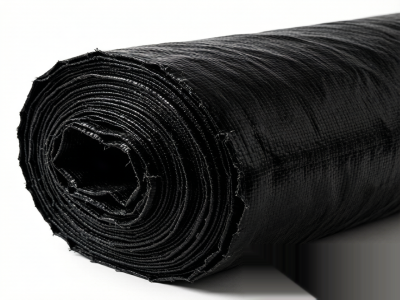
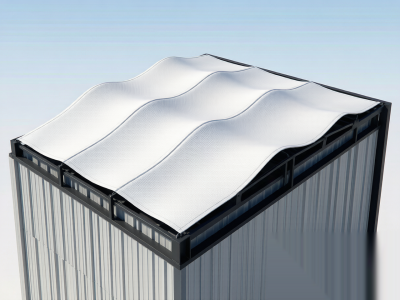
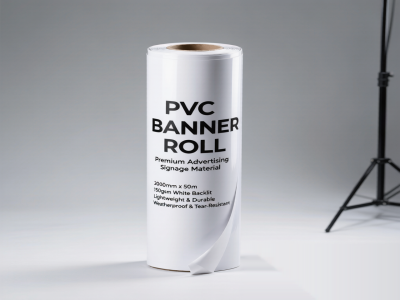
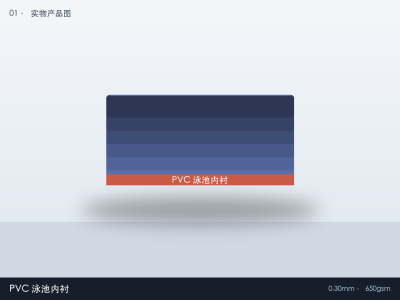
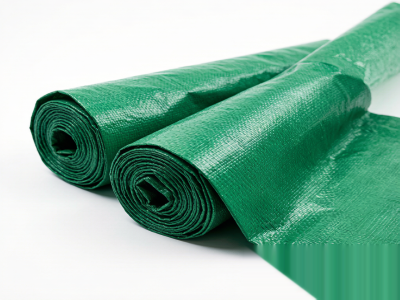
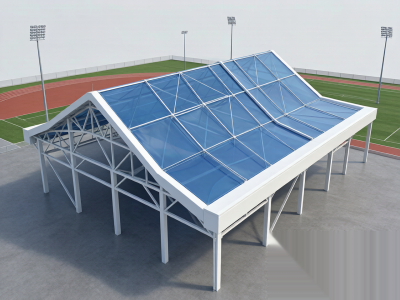
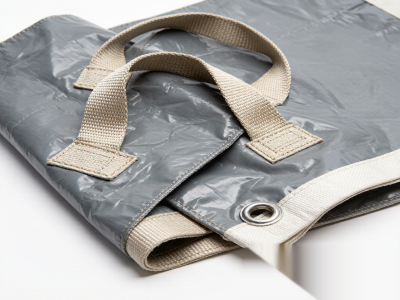
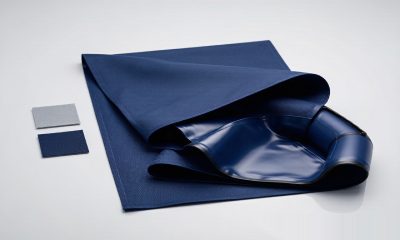
The PVC roof waterproofing membrane is a high-performance single-ply roofing membrane designed to provide long-lasting waterproof protection for flat and low-slope roofs. Manufactured from polyvinyl chloride (PVC) resin, this membrane offers excellent flexibility, UV resistance, and weatherability, making it a trusted choice for commercial, industrial, and residential roofing applications. Its robust construction ensures superior performance in diverse climates, from extreme heat to freezing temperatures.
Technical Parameters
- Weight: Custom (typically 1.2–2.0 kg/m²)
- Width: Custom (commonly 1.5–2.1 m)
- Thickness: Custom (standard 1.2–2.0 mm)
- Color: Custom (often white, grey, or light reflective tones)
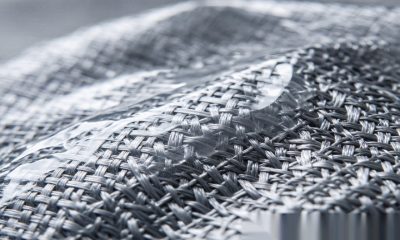
- Material: PVC (polyvinyl chloride) with reinforcement
- Tensile Strength: Custom (typically ≥ 10 MPa)
- Tear Resistance: Custom (typically ≥ 60 N)
- Adhesion: Custom (peel strength ≥ 1.0 N/mm)
- Flame Retardancy: Custom (meets relevant standards, e.g., Class B1 or equivalent)
Parameter Analysis
The PVC roof waterproofing membrane’s performance is defined by its key parameters. The thickness and weight directly influence puncture resistance and durability; thicker membranes offer higher mechanical strength. Tensile and tear resistance ensure the membrane can withstand structural movement and installation stresses without tearing. Adhesion properties are critical for seam integrity, preventing water ingress at overlaps. Flame retardancy is essential for meeting building safety codes, especially in commercial settings. The material’s flexibility allows it to accommodate thermal expansion and contraction, reducing the risk of cracking over time.
Application Scenarios
This PVC roof waterproofing membrane is ideal for:
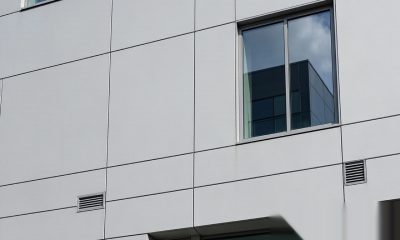
- Flat and low-slope roofs on commercial buildings, warehouses, and factories
- Industrial facilities requiring chemical resistance
- Residential flat roofs and terraces
- Green roof systems (as a waterproofing layer)
- Roof renovations and re-roofing projects
Installation Guide
Proper installation is crucial for the performance of the PVC roof waterproofing membrane. Follow these general steps:
- Surface Preparation: Ensure the substrate is clean, dry, and smooth. Remove any debris, oil, or loose materials.
- Priming: Apply a suitable primer to the substrate to enhance adhesion, if required.
- Unrolling: Lay out the membrane with proper overlap (typically 5–10 cm) according to the manufacturer’s guidelines.
- Seaming: Weld the overlaps using hot-air welding equipment to create a continuous, watertight seam. Ensure the weld is uniform and free of voids.
- Fastening: Mechanically fasten the membrane along the edges and in the field area, or fully adhere it using approved adhesives, depending on the system design.
- Edge Trimming: Trim excess membrane at edges and flashings, and secure with appropriate termination bars or sealants.
Usage Method
Once installed, the PVC roof waterproofing membrane requires minimal intervention. It functions as a continuous barrier that prevents water penetration. The membrane’s reflective surface (if light-colored) helps reduce heat absorption, contributing to energy efficiency. It is compatible with various roof accessories, such as drains, vents, and skylights, provided proper flashing details are used.
Maintenance Advice
Regular maintenance extends the life of the PVC roof waterproofing membrane:
- Inspect the roof at least twice a year, especially after severe weather.
- Remove debris, leaves, and standing water to prevent ponding and potential damage.
- Check seams, flashings, and penetrations for signs of wear or separation.
- Clean the surface with mild soap and water if necessary; avoid harsh chemicals.
- Ensure drainage systems are clear to prevent water accumulation.
Repair Tips
In case of damage, prompt repair is essential:
- For small punctures or tears, clean the area and apply a compatible PVC patch using heat welding or approved adhesive.
- For seam failures, re-weld the affected area with hot-air equipment.
- For large areas of damage, consider replacing the section with new membrane, ensuring proper overlap and welding.
- Always use materials and methods recommended by the manufacturer to maintain warranty validity.
Procurement Advice
When purchasing the PVC roof waterproofing membrane, consider the following:
- Verify the membrane meets local building codes and fire safety standards.
- Choose a reputable supplier with proven quality and technical support.
- Specify the required thickness, width, and color based on your project’s needs.
- Request samples and test reports to confirm performance characteristics.
- Ensure the membrane is supplied with installation instructions and warranty information.
Packaging List
A typical packaging list for the PVC roof waterproofing membrane includes:
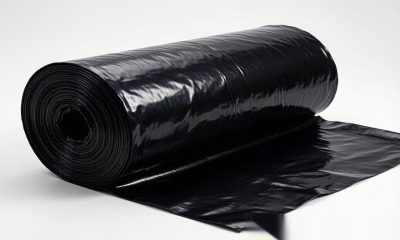
- Rolls of membrane (length and width as per order)
- Installation manual
- Welding equipment guidelines (if applicable)
- Warranty certificate
- Technical data sheet
FAQ
Q1: What is the expected lifespan of a PVC roof waterproofing membrane?
A: With proper installation and maintenance, PVC membranes can last 20–30 years or more, depending on environmental conditions and exposure.
Q2: Can the PVC roof waterproofing membrane be installed over existing roofing?
A: Yes, in many cases it can be used for re-roofing, provided the existing roof is structurally sound and properly prepared.
Q3: Is the membrane resistant to chemicals and UV radiation?
A: PVC membranes are generally resistant to many chemicals and have good UV stability, but prolonged exposure to certain solvents or oils may cause degradation. Consult the manufacturer for specific chemical compatibility.
Q4: How is the membrane welded?
A: The membrane is typically welded using hot-air welding equipment, which melts the PVC at the seams to form a homogeneous, watertight bond.
Q5: What maintenance is required?
A: Regular inspections, cleaning, and prompt repair of any damage are recommended to ensure long-term performance.
—
For more detailed information, always refer to the official technical documentation and installation guidelines provided by Kezhibo New Materials.