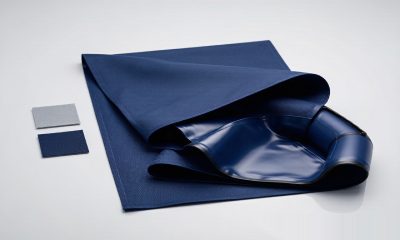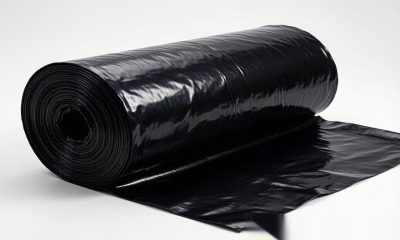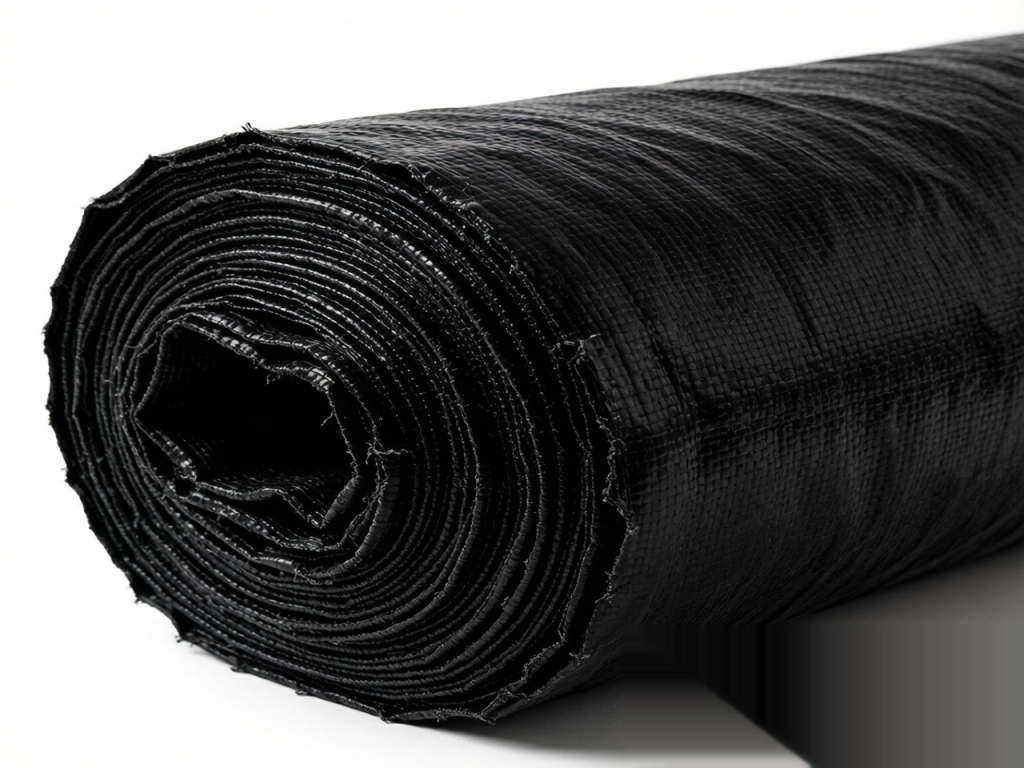
Short answer: Curtain-side trailers use heavyweight PVC tarpaulin – most often 900 to 1500 GSM on a 1000D polyester base – because it gives waterproofing, road-flexibility and printable branding that rigid panels or PE sheet cannot match. The 1500 GSM grade is now being specified for high-tension, long-haul and heavy-industrial fleets.
Why curtain-side fleets chose coated PVC
A side curtain turns a box trailer into a flexible wall: it protects cargo yet slides open along tracks for fast side loading. That motion repeats thousands of times a year, so the fabric has to be strong enough for road stress and flexible enough for daily operation. PVC-coated polyester delivers both. DER Factory’s specification guide lists typical weights from 650 to 1100 GSM, with 0.5-0.9 mm thickness, tensile-rated high-tenacity polyester, and a service-temperature window of -30 to +70 degrees C – numbers that map directly to real fleet duty cycles (der-factory.com).
What the 900 and 1500 GSM grades actually mean
Guangdong Tianjin New Material documents a 900 GSM curtain fabric built on a 1000D polyester base at 30×30 thread density, double-side PVC coated, rated for -30 to +70 degrees C with UV resistance and a printable lacquer for fleet graphics (en.tjplastics.com). For harder duty, the same supplier now markets a 1500 GSM grade: the higher areal density buys abrasion and tear resistance for high-tension curtains, long-distance routes and frequent operation. Both weld and sew cleanly, which matters because finished curtain life depends as much on fabrication (welded hems, reinforced straps, eyelets) as on the roll itself.
- Base cloth: 1000D polyester, Panama or plain weave, 30×30 typical.
- Coating: knife-coated or laminated PVC, double-sided for waterproofing.
- Weight: 900 GSM standard; 1500 GSM for heavy-duty and long-haul.
- Width: up to 3.2 m rolls to cut waste at the curtain maker.
- Options: FR (B1/M2/NFPA), anti-mildew, cold-resistant, blockout, PVDF or acrylic topcoat.
Where it is used
Beyond curtain-sided trailers and semi-trailers, the same fabric covers box trucks, container canopies, express drop-and-hook fleets, pickup covers and rolling-tarp systems. Printable surfaces turn each vehicle into mobile advertising, and FR options let operators meet safety rules for special cargo. DERFLEX notes a typical service life of 3-5 years depending on climate and handling (derflex.com).
Cost, weight and fuel trade-offs
Against rigid metal side panels, a PVC curtain cuts vehicle weight, which improves fuel economy and payload. Against single-use PE sheet, its weldable, printable and 3-5 year life spreads cost per trip far lower. The real hidden cost for fleets is curtain failure: cargo claims, downtime and repair. That is why specifying the right GSM by duty beats squeezing unit price – a cheap light curtain that tears mid-route costs more than a heavier one that lasts.
Surface, fire and cold-weather options
Finish choices decide appearance and life. Acrylic or PVDF topcoats improve dirt resistance and self-cleaning for fleet looks; blockout layers stop light for temperature-sensitive cargo; anti-static and cold-resistant formulations serve electronics and Nordic routes. Flame-retardant grades are discussed per fleet and cargo class (B1, M2, NFPA), and any FR standard should be confirmed against the destination market before mass cutting.
Printability and fleet branding in practice
The printable lacquer on the PVC topcoat is what turns a side curtain into a moving billboard. Because the seam is welded at the molecular level rather than stitched, graphics survive years of flexing and road wash far better than sewn banners. Specifiers should agree the ink system – solvent or UV-curable – and the surface finish before the roll is coated: matte cuts glare and hides dirt, glossy maximizes color pop. DER Factory and DERFLEX both list printable, PVDF and acrylic finishes as standard for fleet graphics, and both note that confirming ink compatibility up front avoids a costly re-coat.
For EU-bound fleets, REACH now drives the plasticizer choice, so many buyers request phthalate-free formulations and, increasingly, recycled-content PVC. A heavy curtain is no sustainability hero, but its 3-5 year service life plus weldable repair extends replacement cycles versus disposable sheeting, and pairing it with a documented take-back route keeps end-of-life out of landfill. We track those European recycling numbers in our circular PVC report.
Selection and trend notes for 2026
Specify by duty, not by price: medium-heavy 900 GSM for daily logistics; 1500 GSM where tension and route length are punishing. Ask for third-party tensile, tear, adhesion, hydrostatic and cold-crack reports, and confirm the ink system before mass printing. The broader market keeps pushing recycled-content and phthalate-free plasticizers, so request a REACH-compliant formulation if you sell into the EU – the same regulatory pressure we covered in our REACH compliance guide for PVC coated fabrics.
Frequently asked questions
- Q: What GSM is best for curtain-side trailers? A: 900-1100 GSM for general logistics; 1500 GSM for heavy-duty, high-tension or long-haul fleets where abrasion and tear resistance matter most.
- Q: Can PVC truck curtains be printed? A: Yes. Lacquered or printable surfaces support digital and screen printing for fleet branding; confirm ink compatibility with the topcoat before mass production.
- Q: How long do they last? A: Typically 3-5 years depending on climate, frequency of operation and maintenance; heavier grades last longer.