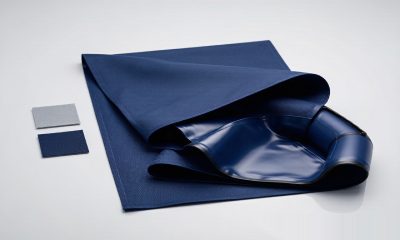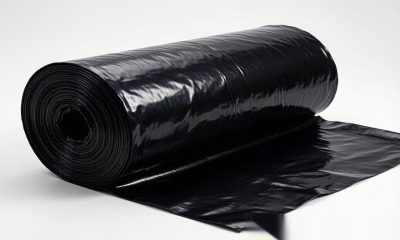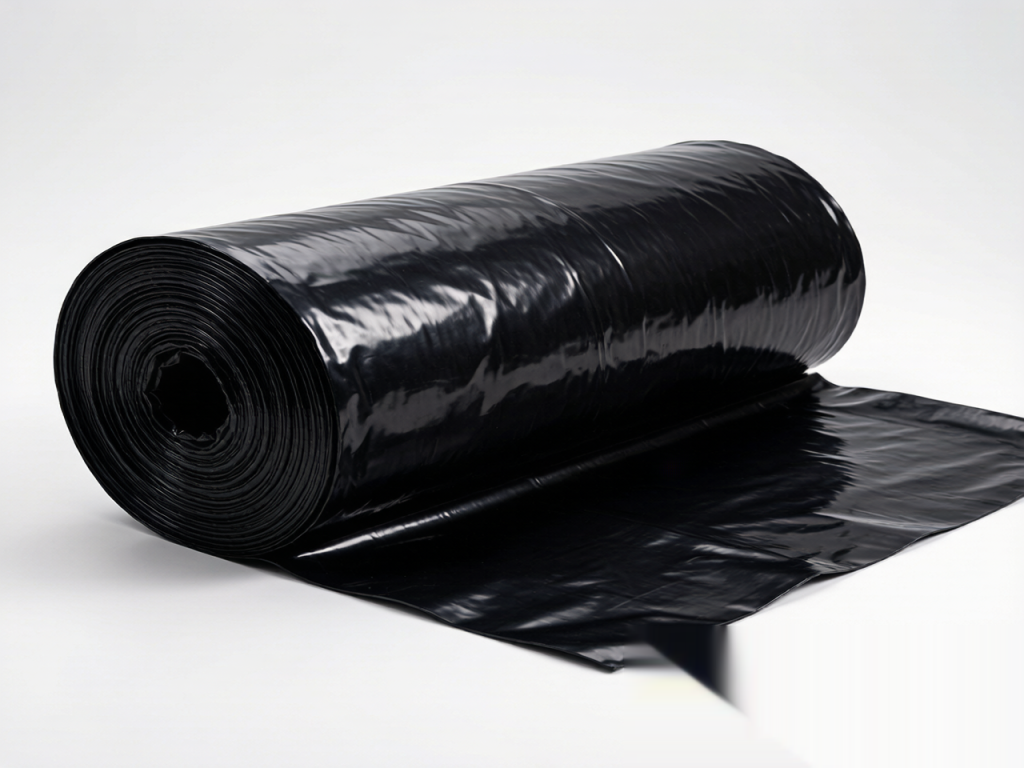
Short answer: Fish and shrimp farms are moving to PVC geomembrane liners to stop seepage, hold stable water levels and cut sludge maintenance. Against earthen ponds that leak and invite contamination, a 0.5-1.5 mm flexible PVC sheet conforms to irregular shapes, welds by hot-air or HF, and needs fewer seams – making it the cost-effective choice for small and medium aquaculture ponds.
The real pain of earthen ponds
Traditional earthen ponds look cheap up front but suffer seepage, unstable water levels, algae growth and contaminant intrusion over time. Water keeps escaping into sandy or porous soil, so water quality and dissolved oxygen become hard to control. Geosynthetictech notes that in fish ponds a PVC geomembrane acts as a reliable water barrier, stays smooth for easy cleaning, and does not leach harmful chemicals into the water (geosynthetictech.com).
What a PVC liner actually delivers
In aquaculture the value goes beyond retention: the liner creates a controlled environment for managing temperature, salinity and nutrients, and its impermeability blocks external pesticides or heavy metals from surrounding soil, lifting product quality. Socialvias stresses that pairing the geomembrane with a geotextile cushion prevents puncture from stones and improves stability while saving significant water (socialvias.com).
- Thickness: 30 mil (about 0.75 mm) and up for farming; range 0.5-1.5 mm.
- Seaming: hot-air, high-frequency or compatible adhesive; fewer field seams, faster install.
- Life: roughly 10-25 years in exposed use, longer when protected.
- Compliance: India BIS IS 15909:2010, plus ASTM and EN benchmarks.
The water-savings and yield equation
In sandy or porous soils, annual seepage from an earthen pond can take a large share of stored volume – meaning constant refill, water-quality swings and higher pump bills. A lined pond cuts seepage close to zero, so dissolved oxygen, pH and feeding stay controllable and shrimp survival and unit yield stabilize. For regions with seasonal water scarcity, that translates directly into an operating advantage.
PVC versus HDPE and LLDPE
Yingfan’s comparison shows HDPE has the best chemical resistance but is stiffer in cold and needs more seams; LLDPE is more flexible and tolerates settlement; PVC is light, flexible and easy to handle, ideal for prefabricated panels and small-to-medium or semi-permanent ponds. GEOSINCERE notes 30 mil PVC excels in decorative ponds, aquaculture, stormwater basins and canals, but advises against it for uncovered exposed use, aggressive chemicals or hazardous-waste primary liners (geomembranaperu.com).
Reading a liner supplier’s test package
Not all ‘pond liner’ PVC is fish-safe or weldable to the same standard. A credible supplier ships third-party reports for tensile strength, elongation, hydrostatic pressure and, for exposed installs, UV and low-temperature flexibility. Request the fish-safe or potable-contact statement in writing, confirm the welding method matches your crew (hot-air versus high-frequency), and ask how seams are tested – peel strength should clear a defined fraction of base-sheet strength.
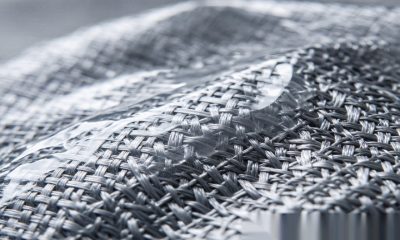
Geotextile cushioning is not optional on rocky or root-prone sites; a 30 mil sheet over sharp stone will puncture long before its rated life. Pair the geomembrane with a non-woven geotextile, and detail penetrations (drains, overflows) with welded boots rather than clamps. These details, not the sticker thickness, decide whether a lined pond still holds water in year eight.
Installation best practice
Success lives in the substrate and the weld. Grade and clear the pond floor of sharp stones; lay a geotextile protection layer before unrolling the sheet; hot-air or HF weld the overlaps, and run seam-peel and spark tests where specified; do a water-retention check before filling. Proper installation matters more than simply going thicker – our geomembrane failure analysis lists the five common causes and how to prevent them.
Trends for 2026
Aquaculture is the fastest-growing food sector, and lined ponds are spreading beyond Asia’s farming belts. Specify a fish-safe formulation, pair it with a geotextile protection layer, verify the welding method, and pick 0.75-1.5 mm by seepage risk and exposure. As water availability tightens, lined ponds move from optional upgrade to baseline infrastructure.
Common failure modes to avoid
Most liner problems are not material defects. They are poor substrate prep, under-specifying thickness for the exposure class, and skipped seam testing. A 30 mil sheet on a stony, exposed, high-UV site will fail early no matter the brand. Match thickness to exposure (protected versus open), insist on a geotextile underlay, and treat every weld as a potential leak path until tested. Our failure-analysis piece lists the five causes in order of frequency so specifiers can design them out.
Frequently asked questions
- Q: Is PVC geomembrane safe for fish? A: A compliant, fish-safe formulation is non-toxic and smooth, and blocks external contaminants; confirm certification and water-contact suitability before purchase.
- Q: PVC or HDPE for a fish pond? A: Choose PVC for irregular, small-to-medium or fast-weld jobs; choose HDPE for large, chemically aggressive or hazardous sites.
- Q: How long does it last? A: About 10-25 years exposed, longer when protected (buried or water-covered); 30 mil (0.75 mm) is the common aquaculture starting point.