Short answer: High-visibility workwear is not just ‘brighter’ clothing – it is fluorescent background fabric plus retroreflective tape that stays conspicuous in both daylight and headlights. North America uses ANSI/ISEA 107 (Types O/R/P plus Classes 1-3); Europe uses EN ISO 20471 (Classes 1-3 by material area only). Both set hard minimums for fluorescent area, reflective area and wash fastness.
Fluorescence plus retroreflection, not optional
Fluorescent lime, orange and yellow-green absorb UV and re-emit it as visible light, making the wearer glow against natural backgrounds by day. Retroreflective strips (glass beads or prisms) send headlight energy straight back to the source, so the worker is seen at night. EcoJersey stresses that compliance rests on performance, not looks – drop either property and the garment is not real safety wear (ecojersey.com).
How the two standards split
VizGlo Safety details ANSI/ISEA 107-2020: it separates Type O (off-road, traffic at or below 25 mph), Type R (roadway, at or above 25 mph) and Type P (public safety, all speeds), each with Classes 1-3 inside. EN ISO 20471 does not sort by speed; it grades 1-3 purely by the minimum area of fluorescent and retroreflective material (vizglosafety.com). WOW Safety notes EN ISO 20471 is now the global benchmark and that buyers must demand third-party lab reports, not factory self-declarations (wowsafetyproducts.com).
- Class 1: 217 sq in background, 155 sq in reflective (low risk, e.g. warehouses).
- Class 2: 775 sq in background, 201 sq in reflective (roadside, utilities).
- Class 3: 1240 sq in background, 310 sq in reflective, with 360-degree visibility (highway crews).
Why mesh wins in hot and high-exertion jobs
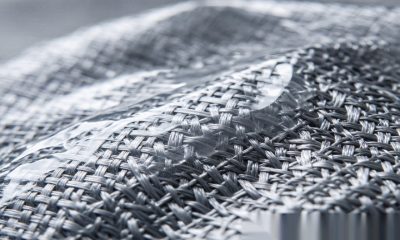
In Southeast Asia and outdoor labor, heat stress is real: if a vest is not breathable, workers resist wearing it. Open-weave mesh maximizes airflow and speeds sweat evaporation, running cooler than solid polyester. But mesh is still the ‘background material’ – compliance hinges on whether it uses a certified fluorescent yarn and places retroreflective tape correctly on shoulders, torso and legs.
Where PVC mesh fabric fits
Fumao explains that compliant hi-vis mesh needs a certified fluorescent base and correct retroreflective-tape placement on shoulders, torso and legs; tape adhesion, UV fade resistance and wash fastness all get tested (fumaofabric.com). For brands and retailers, a private-label line can span Class 1-3, but only with a factory that issues third-party luminance, colorfastness and reflectivity reports – ISO 9001 as a baseline quality system helps too.
Reading a hi-vis test report without the jargon
Three numbers decide compliance. Luminance factor measures how ‘glowingly’ the fluorescent base reads in daylight; retroreflection coefficient (RA or R’) measures how strongly the tape returns headlight beams at night; colorfastness to washing and light measures how long both survive. A garment that looks bright but lacks the certified luminance and RA values is not compliant, no matter the color. Buyers should ask for the actual measured values against the relevant class, not a pass/fail stamp.
Class also follows the body zone. A Class 3 garment needs retroreflective material around the torso and at least one leg, plus 360-degree visibility – a vest alone seldom qualifies. For highway crews that means trousers or bands, not just a top. Specifying the right class per task prevents both under-protection and needless cost on lower-risk sites.
Buyer verification checklist for 2026
Match the class to the risk level first. Ask for CNAS or equivalent lab data on luminance factor, retroreflection coefficient and wash durability. Confirm the tape is heat-transferred or high-tensile stitched to survive dozens of industrial washes, and insist on a unique test report per production batch, not a single archived sample. Our coverage of reflective PVC mesh in construction and logistics also points to OSHA, EU-OSHA and ISO/ILO pushing hi-vis compliance.
Private-label and white-label sourcing
Brands entering hi-vis often assume any bright vest qualifies. It does not. A credible program sources certified base fabric, controls the tape placement to the class, and keeps per-batch test reports. Offer Class 1-3 from one supply base so a distributor can serve warehouses, road crews and highway teams without three vendors. The differentiator is documentation: a buyer should receive luminance, RA and wash-fastness data with the shipment, not on request after a recall.
Frequently asked questions
- Q: What is the difference between ANSI/ISEA 107 and EN ISO 20471? A: ANSI adds Types O/R/P by environment and traffic speed, then Classes 1-3; EN ISO 20471 grades only by material area into Classes 1-3. Both define minimum fluorescent and reflective area.
- Q: Can PVC mesh fabric meet these standards? A: As a background, yes – if it uses a certified fluorescent base and places retroreflective tape at the required area and position; third-party test proof is what confirms it.
- Q: How long does reflectivity last? A: It depends on wash fastness; certified garments survive dozens of industrial washes. Always request the third-party test report before buying.