
Two Materials, Two Jobs
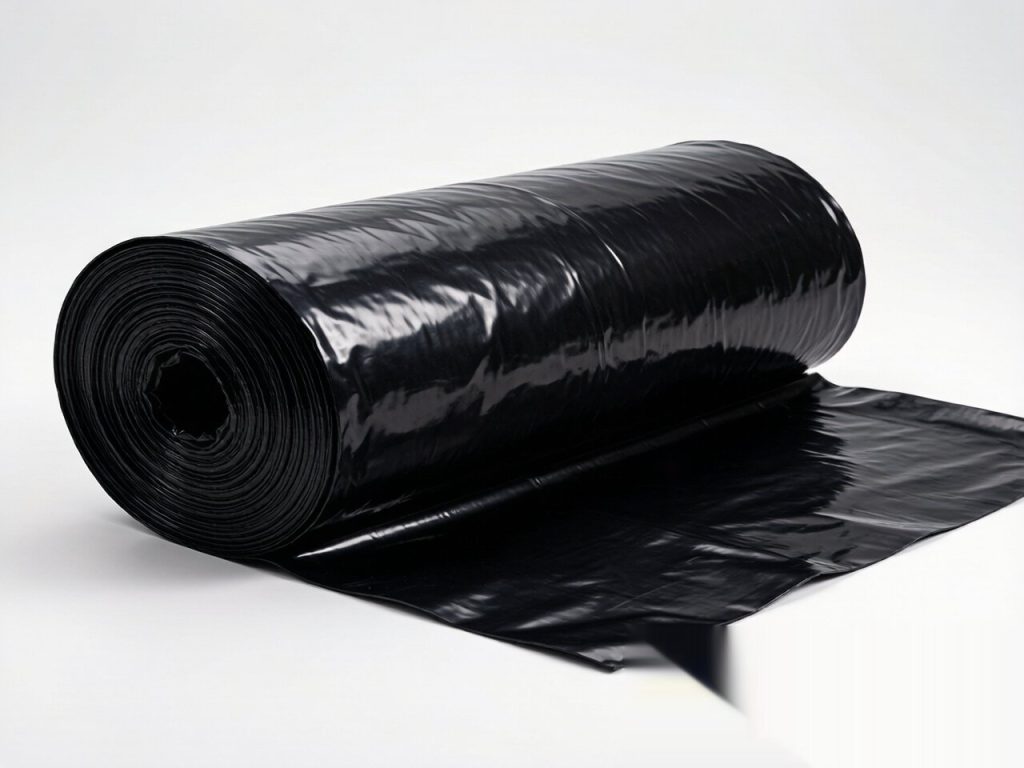
HDPE and PVC are the two geomembranes buyers weigh for ponds, lagoons and containment. HDPE is the heavyweight for large, permanent, chemically aggressive basins; PVC is the flexible, installer-friendly choice for smaller and shaped ponds.
Side by Side
| Property | HDPE | PVC |
|---|---|---|
| Puncture resistance | Very high | High, reinforced with scrim |
| UV and chemical stability | Excellent, 20 plus years | Good, 10 to 20 years |
| Flexibility in cold | Stiff, harder to handle | Flexible, easier detailing |
| Weldability | Extrusion weld, skilled crew | Hot-air weld, simpler |
| Relative cost | Lower material, higher install | Higher material, lower install |
When to Specify HDPE
Choose HDPE for large reservoirs, landfill caps, mining and industrial containment where UV, chemical and puncture resistance dominate and the budget covers professional welding crews.
When to Specify PVC
Choose PVC geomembrane for aquaculture ponds, decorative and garden ponds, rooftop and secondary containment where its flexibility, simpler hot-air welding and ability to hug complex shapes cut installation time and risk.
Installation Note
Whatever you choose, detail the welds and penetrations carefully and commission a spark or vacuum test on the seams. A liner is only as good as its weakest seam.
Frequently Asked Questions
Which pond liner lasts longer, HDPE or PVC?
HDPE resists UV and chemicals for 20 plus years and is the standard for large containment, while PVC lasts 10 to 20 years and stays more flexible in the cold. For small to mid ponds PVC is often easier to install.
Is PVC pond liner easier to install than HDPE?
Yes. PVC is flexible and welds simply with hot air, while HDPE is stiff, needs specialized extrusion welding, and is harder to detail around corners and penetrations.
Which is better for fish or potable water ponds?
Both are used for potable and aquaculture water when formulated appropriately. Confirm the liner carries the relevant food-contact or aquaculture certification for your market before specifying.












