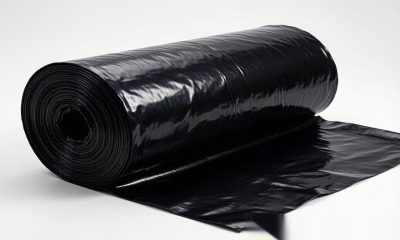
In a strategic move to reinforce its position as a leading supplier of coated fabrics and industrial textiles, Kezhibo New Materials has announced a significant expansion of its warehouse facilities, scheduled for completion in 2026. This expansion comes in response to the rapidly growing global demand for high-performance materials across industries such as automotive, construction, protective apparel, and outdoor equipment.
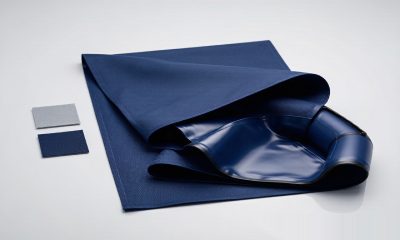
The new warehouse, spanning an additional 20,000 square meters, will increase Kezhibo’s storage capacity by 40%. This will allow the company to hold larger inventories of raw materials and finished goods, ensuring faster order fulfillment and reducing lead times for customers worldwide. With the expansion, Kezhibo will be able to accommodate a wider range of coated fabric products, including PVC-coated polyester, TPU laminates, and flame-retardant textiles, all of which are essential for demanding applications.
One of the key drivers behind this investment is the surge in demand for sustainable and durable materials. As industries shift towards more eco-friendly solutions, Kezhibo has responded by developing innovative coatings that meet stringent environmental standards. The expanded warehouse will enable the company to stock these advanced materials in greater quantities, supporting clients who are transitioning to greener alternatives without compromising on performance.
In addition to increased storage, the new facility will feature state-of-the-art logistics systems, including automated inventory management and climate-controlled zones. This ensures that sensitive materials, such as those with special coating formulations, are stored under optimal conditions, preserving their quality and extending shelf life. The enhanced infrastructure will also streamline the picking and packing processes, allowing for more efficient handling of bulk orders and custom-cut pieces.
Kezhibo’s commitment to operational excellence is further reflected in the expansion’s focus on sustainability. The new warehouse will be equipped with solar panels and energy-efficient lighting, reducing the company’s carbon footprint and aligning with its corporate social responsibility goals. This investment not only benefits Kezhibo’s bottom line but also contributes to the broader industry’s efforts to reduce environmental impact.
Industry analysts view this expansion as a positive signal for the coated fabrics market, which is projected to grow at a CAGR of 4.5% from 2025 to 2030. By increasing its storage and distribution capabilities, Kezhibo is well-positioned to capitalize on this growth, serving both existing clients and new markets. The company plans to leverage the expanded warehouse to enhance its export capabilities, particularly to emerging economies in Asia-Pacific and Latin America, where infrastructure development is driving demand for high-quality industrial textiles.
In conclusion, the 2026 warehouse expansion marks a milestone in Kezhibo’s growth strategy. It underscores the company’s dedication to customer satisfaction, operational efficiency, and sustainability. As the coated fabrics industry continues to evolve, Kezhibo is ready to meet the challenges head-on, ensuring that its clients have access to the materials they need, when they need them.