
Background: outdoor living puts awning fabric on the shelf
Patio awnings, window canopies, side screens and terrace roofs have shifted from building accessories to the core of outdoor living. Accio’s 2026 research finds roughly 85% of households now use a porch, patio or balcony, pulling PVC awning fabric into both B2C and B2B demand. The ask is no longer just rain cover — it is light transmission, UV resistance, fast installation and smart integration.
Technical principle: three-layer reinforcement and fire-retardant coating
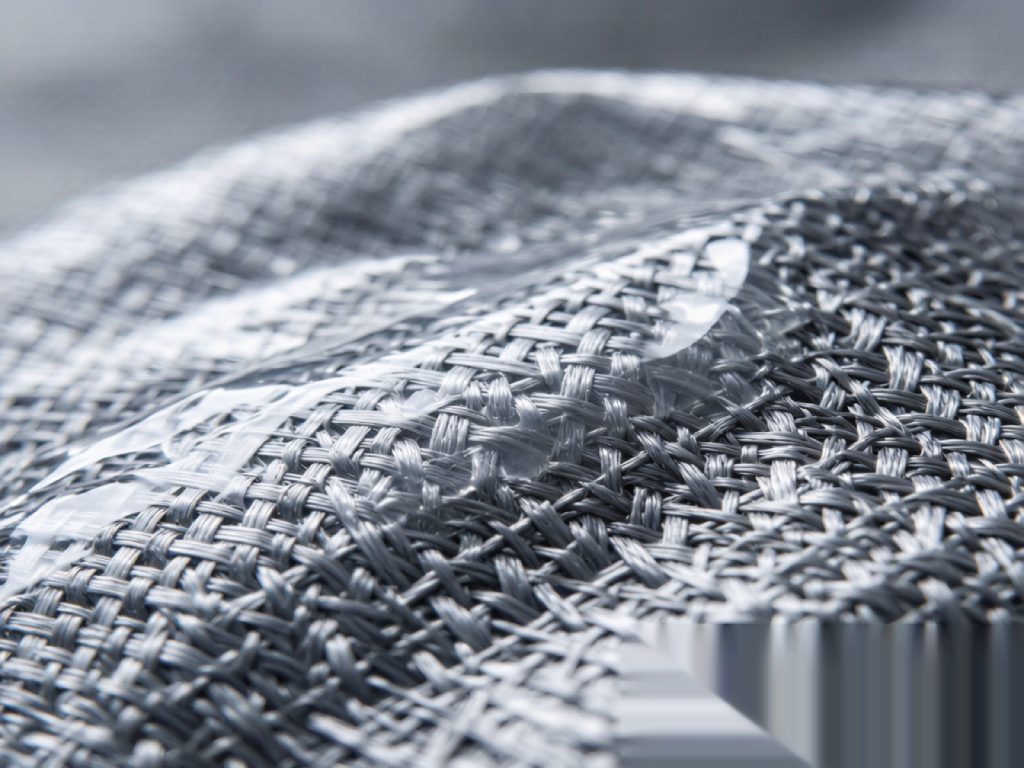
The mainstream outdoor cloth is a polyester scrim double-coated with PVC, finished matte, striped or embossed for looks and weather-ability. The key metric is not weight alone: DER New Material notes 2026 buyers care more about UV-stabiliser formulation, anti-embrittlement and verifiable accelerated-aging data. Fire rating is no longer binary — one cloth does not satisfy EU EN 13501-1, US NFPA 701, Australia AS 1530.3 and California TB 117 interchangeably.
Market data: steady expansion, not explosion
- Overall size: the global PVC coated fabric market is projected to grow from about USD 4.5 billion in 2025 to roughly USD 5.5 billion by 2032, a CAGR near 4%; some segments exceed 5% CAGR between 2026 and 2033 (DER New Material).
- E-commerce volume: Accio counts a single three-layer reinforced PVC awning SKU at 2,143,680 units sold last month on Shopee, rating 4.8, at USD 2.81 — showing the sheer scale of DIY replacement demand.
- Smart upgrade: motorised retractable systems grow at about 6.4% CAGR and integrate home automation with weather-sensor auto-retract (Accio).
Applications and brand moves
- Residential and commercial: balconies, storefront canopies and restaurant outdoor seating; clear PVC window awnings balance visibility and rain protection.
- Sustainable materials: Glen Raven launched eco-friendly vinyl awning fabric with recycled content; Herculite released an app-controlled smart awning (Data Insights Market).
- Consolidation: Twitchell acquired a European awning-fabric maker to widen global reach.
Compliance now beats price
Jinxiang warns with a real Long Beach port case: a shipment of awning fabric accrued demurrage under the sun because it lacked the specific California TB 117 tagging, eventually exceeding the goods’ value. In 2026 the entry barrier moved from price to traceable compliance documents. Public spaces — France’s M1 class, for instance — reject a generic ‘flame-retardant’ declaration in place of the specified test, and the replacement cost dwarfs the sourcing saving.
Selection checklist
- Localise the certificate: for the destination market pick the matching EN 13501-1, NFPA 701, AS 1530.3 or TB 117, with a recent third-party report.
- Ask for UV data: demand an accelerated-aging (xenon-arc) curve, not just GSM; Middle East, Australia and South America are most demanding.
- Watch the trend: smart linkage, recyclability and custom print are the premium directions.
Frequently asked questions
Q1: Does higher GSM mean longer life?
A1: Not necessarily. The 2026 bar has shifted from weight to verifiable fire and UV-stability data; prioritise certification over raw GSM.
Q2: Where do exported awnings most often fail?
A2: At label and test-method localisation. A generic ‘flame-retardant’ statement is usually not accepted by destination customs or fire inspectors.
Q3: Is smart shading worth it?
A3: For premium homes and hotels, yes — motorised retract plus weather-sensor auto-retract is growing at about 6.4% CAGR and raises usage frequency and service life.












