
Bottom line
In earthquakes, floods, and public-health events, PVC inflatable relief tents have become rapid-deployment lifelines. These tents use PVC-coated fabric as the canopy and PVC or TPU air beams for support, set up in 10-30 minutes, and pack down for repeat transport. They serve disaster shelter, field hospitals, isolation wards, and command posts. Typical specs: working pressure 18-22 kPa, wind resistance at or above Beaufort 8, snow load at or above 20 kg/m², temperature range -25 to +70°C, and a re-inflation interval of at least 7 days.
Material and structure
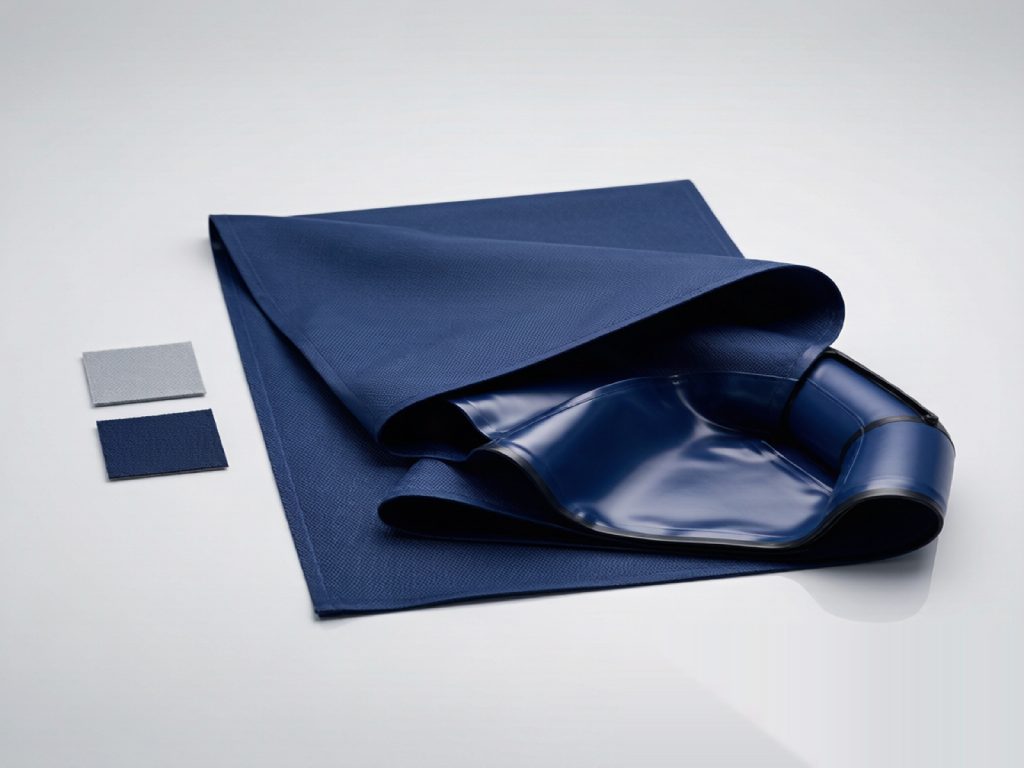
The canopy can be high-strength oxford or PVC-coated fabric, balancing durability, flexibility, and cost; air beams use PVC or TPU for airtightness, flexibility, and environmental stress resistance. The structure comprises outer canopy, air beams, groundsheet, anchoring, and accessories, erected without complex tools, with reinforced and waterproofed seams (INTERSCHUTZ 2026 product data). Medical-isolation tents often use a closed-inflatable structure to hold stable internal pressure, lower contamination risk, and simplify disinfection.
Two mainstream products
- Medical isolation tents: for hospitals, testing sites, vaccination points, and quarantine zones, stressing airtightness, chemical resistance, and internal partitions; a medium tent deploys in roughly 10-30 minutes with minimal crew (WINSUN selection guide).
- Emergency rescue tents: for post-earthquake or post-flood temporary shelter, sleeping, and command, stressing speed, durability, and portability; continuous- or closed-inflatable structures resist moderate wind and rain.
Key performance numbers
- Pressure and airtightness: working pressure 18-22 kPa; air-column frames use nylon fine-woven PVC double-sided coated cloth, high-frequency welded, with 0.45-1.2 mm airtight PVC outer cover.
- Environment: wind resistance at or above Beaufort 8, snow load at or above 20 kg/m², temperature -25 to +70°C, altitude up to 2000 m.
- Waterproofing: outer cover rated 2000-3000 mm water column (Zhongli Youle product parameters).
- Maintenance: re-inflation interval at least 7 days; deflate, dry, and fold for storage in a cool, dry place to slow aging.
Selection and procurement
Define the purpose first: medical isolation prioritizes airtightness, chemical resistance, and internal partitions; emergency rescue prioritizes fast deployment, portability, and weather resistance. Then match size, capacity, and anchoring to available pumps. On materials, confirm weldability and repairability of PVC-coated fabric or mesh-reinforced vinyl, and request CE and material test reports per project. Correct site selection – flat, free of sharp objects, well drained – plus disciplined inflation and leak checks extends service life.
Frequently asked questions
How fast can a PVC inflatable tent be set up?
A medium tent typically deploys in 10-30 minutes with minimal crew; air-column frames inflate quickly with an electric pump, and simpler structures are even faster. Speed is exactly why they matter in disaster relief and field medicine.
How does a medical isolation tent differ from a normal relief tent?
Medical isolation tents stress a closed-inflatable stable positive pressure, chemical resistance, and easy disinfection, often with internal partitions to cut cross-infection; ordinary relief tents prioritize fast deployment, portability, and wind/rain resistance for shelter, sleeping, and command.
Are inflatable tents reliable in cold or windy environments?
Compliant products operate down to -25°C, resist wind at or above Beaufort 8, and carry snow load at or above 20 kg/m²; in cold weather avoid over-tensioning that causes cold-shrink tears, and rely on solid anchoring. UV- and aging-resistant formulations extend outdoor service.












