
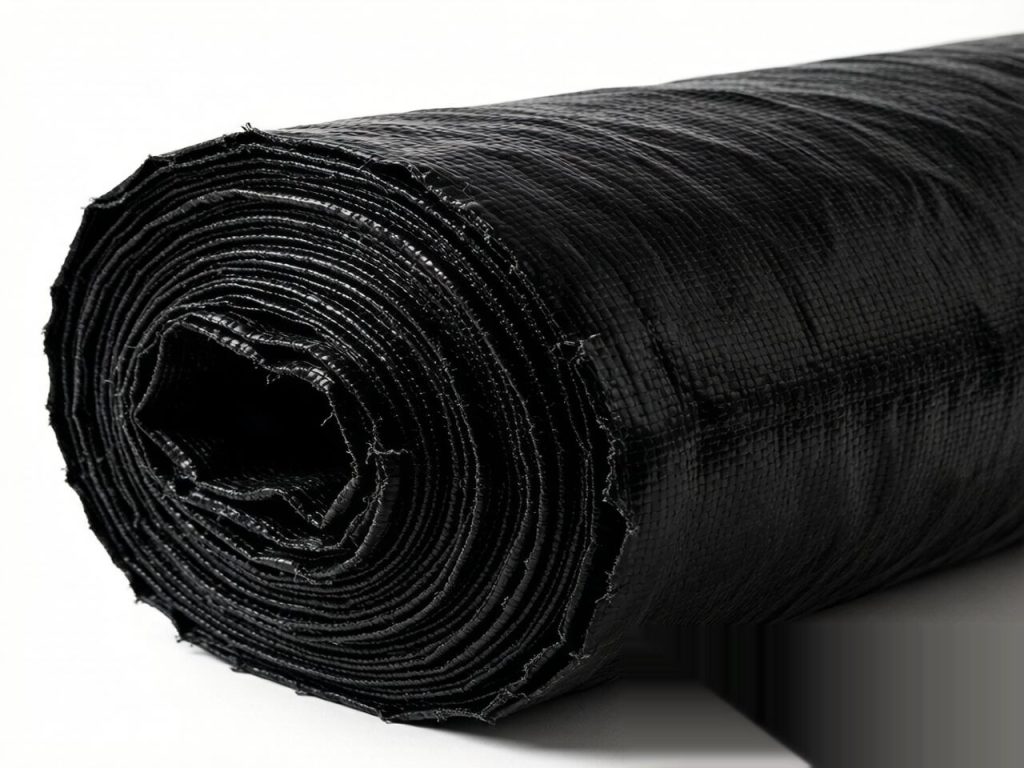
The high-pressure water hose used for farm irrigation and site drainage is, in construction, a flexible composite: a PVC coating, a polyester woven reinforcement and, often, a wear-resistant outer layer. Selection starts with pressure rating and diameter, then moves to low-temperature flexibility and formulation compliance. October 2026 sourcing data shows agricultural single-layer explosion-proof PVC hose priced as low as about 18 RMB, while multi-purpose heat-resistant hose with customisable fittings is emerging as a one-hose-many-uses supply choice — covering fire emergency, site drainage, car washing, garden irrigation and even household emergency water storage (1688 Wiki, 2026; 1688 Wiki, 2026-11).
The Market Base: Size, Structure, Growth
GEP Research puts a useful set of numbers on the table. China’s PVC hose industry output value is forecast at 185 billion RMB in 2026, up about 4.2%; domestic volume around 6.8 million tonnes, split roughly 35% building water supply and drainage, 28% agricultural irrigation, 22% industrial fluid transfer, with the rest in medical, automotive and consumer electronics. Concentration keeps rising, with CR5 expected at 41.5% and unit energy consumption down about 8% versus 2025 (GEP Research, 2026). A separate overview gives an 85 billion RMB market-size basis, about 78% capacity utilisation, and agricultural irrigation PVC hose demand above 450,000 tonnes growing 5.8%. Different scopes, same direction: water-saving irrigation is creating rigid demand (GEP Research, 2026).
High Performance Is the Fastest-Growing Slice
Demand is shifting from scale expansion toward performance. Under dual-carbon goals, low-smoke halogen-free, flame-retardant and pressure-resistant PVC hose is becoming mainstream. The high-performance segment is forecast to exceed 24 billion RMB in 2026, growing 12.5% — far ahead of the 3.1% for ordinary hose. Water-saving irrigation policy is driving rigid demand for large-diameter, crush-resistant hose, a sub-segment expected to grow 9.8% (GEP Research, 2026). For a buyer, this means large diameter plus crush resistance plus weatherability is moving from selling point to baseline specification.
Green Formulation: Lead-Free and Bio-Based
Environmental regulation is the other main thread. Europe is phasing out lead-based stabilisers in favour of lead-free calcium-zinc systems and bio-based plasticisers; in China, lead-free stabiliser use is widespread, and green products with heavy-metal content below 5 mg/kg now account for 85% of output (GEP Research, 2026; GEP Research, 2026). Nano-modification and multi-layer co-extrusion have improved pressure ratings and ageing resistance. The industry expects roughly 1,200 patent filings in 2026, over 60% covering eco-friendly formulations and smart manufacturing, with digital production lines at 45% penetration (GEP Research, 2026). Exports are substantial too: PVC hose exports are forecast at 4.2 billion USD in 2026, mainly to Southeast Asia, the Middle East and Africa.
Construction and Application: The Reinforcement Carries the Load
- Woven reinforcement: polyester or nylon braid is the pressure-bearing element. At a fixed PVC formulation, braid density and layer count determine working pressure and burst safety factor.
- Diameter and length: irrigation favours large diameters and long runs, where crush resistance and weight per metre matter; fire emergency favours fast deployment and fitting compatibility.
- Weather and cold flexibility: hose lying outdoors year-round needs UV and temperature resistance; cold regions must check whether it stiffens or cracks at low temperature.
- Fittings: modular, universal fittings were favoured in November 2026 procurement trends, helping cut inventory (1688 Wiki, 2026-11).
Storage and Service Life
Layflat hose earns its name because it stores flat, but that does not make storage indifferent. After use, drain and rinse the line to remove grit and agricultural chemicals, then let it dry before coiling; trapped moisture and fertilizer residue attack the coating from the inside. Store out of direct sunlight, since prolonged UV exposure stiffens the PVC and shortens the life of the reinforcement bond. In the field, avoid dragging a charged hose over sharp edges and let the coupling, not the hose body, take the pull. A practical service decision is to retire hose when the braid becomes visible through an abraded cover or when the wall shows permanent flattening after pressure is released — both signal that the reinforcement has lost its geometry and burst margin.
Specification Checklist
- Fix working pressure and safety factor from the real duty, and request burst-pressure and hydrostatic test reports.
- Define diameter, run length and whether a crush-resistant structure is needed, to avoid collapse at bends or under vehicle load.
- Check low-temperature flexibility and UV specification, especially in cold or high-sun regions.
- Request lead-free and phthalate-free formulation documents; export projects must match the destination market’s regulations.
- Confirm fitting standards and spare-part compatibility to reduce inventory and on-site adaptation cost.
FAQ
How do you read a PVC hose pressure rating?
Look at both working pressure (WP) and burst pressure (BP); BP is typically two to three times WP. Build in a safety factor and confirm the test standard. Braid density and layer count raise pressure capacity more effectively than simply adding wall thickness.
Why does irrigation hose need to be crush-resistant?
Large-diameter hose collapses at bends, under local negative pressure or after a vehicle passes, blocking flow. A crush-resistant structure — helical reinforcement or dense braid — keeps the bore open, reducing head loss and manual inspection. It is a common requirement in water-saving irrigation projects.
What differs between lead-free and conventional PVC hose?
The stabiliser system. Lead-free formulations use eco-friendly stabilisers such as calcium-zinc, with heavy-metal content below 5 mg/kg, better aligned with export rules and green procurement. On performance, they already meet most industrial and agricultural duties.












