The core question: which scaffold wrap for the job
Scaffold wrap (scaffold sheeting) is the protective fabric hung on a scaffold façade to control dust, block rain, hide the worksite, and contain debris. The first step is not color or price—it’s three questions: what must be blocked, what must still pass through, and how the wind will pull on it after installation. The two common types, breathable mesh and solid PVC-coated fabric, do not perform the same job.
Material and how it works
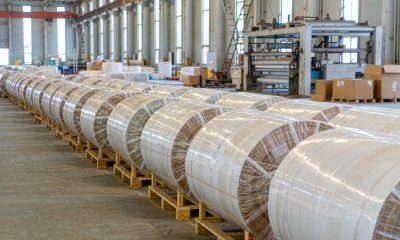
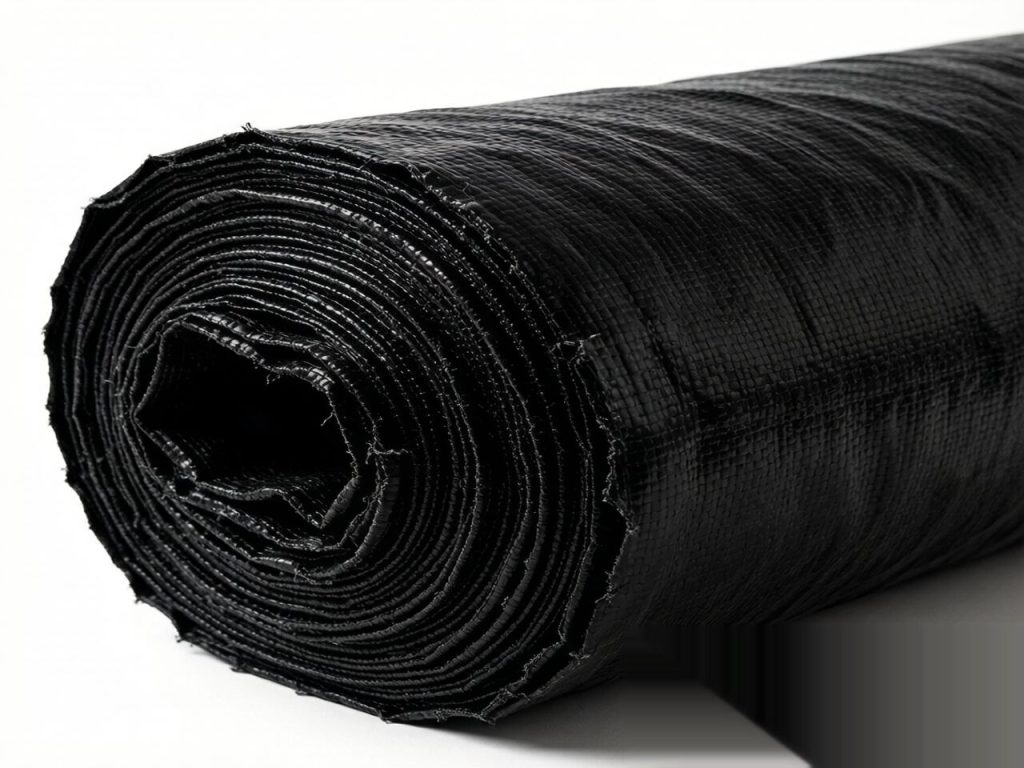
UNITARP gives a clear GSM guide: 750–850 GSM PVC-coated high-tenacity polyester for standard long-term material covers, with heat-welded seams, UV resistance, and reinforced edges; 850–1200 GSM heavy-duty fabric for frequent installation or high abrasion, adding reinforced corners, webbing, wear strips, and D-rings. DERFLEX builds its scaffold covers on PVC-coated polyester too, customizable for waterproofing, flame retardancy, anti-mildew, and cold resistance, with eyelets and hems made to spec.
- Mesh (scrim): woven PVC-coated polyester that lets air pass, cutting wind load—right for tall or exposed scaffolds.
- Solid PVC: stronger rain and splash protection, but it catches wind; on high or open scaffolds you must design for wind pressure first.
- Flame retardant: many commercial and public sites mandate a fire-rated option.
Where it gets used
LonaTarp frames the buyer’s decision as three questions: what to block (dust, rain, debris, privacy), what to let through (airflow), and what forces act on it (wind). The direction: dust and visual screening → breathable mesh; rain and splash → solid PVC; long outdoor façade work → UV-stable material with reinforced edges.
New Zealand’s Mesh Direct stresses that scrim is “woven PVC-coated polyester that lets air pass”—critical on coastal, gusty sites. Solid vinyl gives richer color but catches far more wind, so it’s reserved for sheltered lower levels. Wraps fix with cable ties through reinforced eyelets; on windy sites check tension regularly, and a well-made wrap can be reused on the next project.
Market and trend
A scaffold wrap is also one of the biggest free billboards a developer owns: it hides the mess, shields the public, and carries a giant branded image for months. That drives demand for printed façade screens. Bulk custom orders typically start at a 5,000 m² minimum with a sample confirmed before mass production; the HS code usually falls under 3926.90.90 (plastic articles).
Procurement checklist
- Wind load first: tall or exposed scaffolds prefer mesh or vent panels; don’t substitute higher GSM for wind-load design.
- Flame compliance: commercial/public projects confirm the FR grade against local building fire codes.
- Seams and fixings: heat-welded seams + reinforced hems + sensible eyelet spacing, planned by scaffold module.
- Weathering: long outdoor exposure needs UV stabilization and anti-mildew treatment.
- Reuse: rental fleets and repeat projects pick weather-stable, edge-reinforced grades.
Practical notes from the field
Cost is where wrap beats rigid enclosure. Because a bladder-style fabric needs no stand, foundation, or crane, the civil saving alone can run into tens of thousands of rand or dollars on a tall façade. The print side compounds that: a scaffold wrap is a months-long branded canvas viewed from across the street or a moving car, so artwork must be bold and simple—one message, a large logo, a clear visual, a web address. Fine print disappears at distance, and panel breaks must be planned so a logo isn’t cut through a bay seam.
Installation discipline matters more than the fabric grade. Fix with cable ties through reinforced eyelets, check tension weekly on windy sites, and plan emergency removal so a storm doesn’t turn the wrap into a sail that peels the scaffold. A well-made wrap is often reused on the next project, which is why rental fleets pay for edge-stable, UV-durable grades rather than the cheapest roll.
One honest note: a fabric that looks simple in a photo behaves like a sail once fixed to a tall frame. Wind behavior depends on the building, local weather, scaffold, and installation method—there is no universal spec.