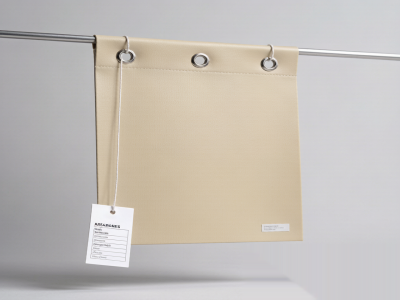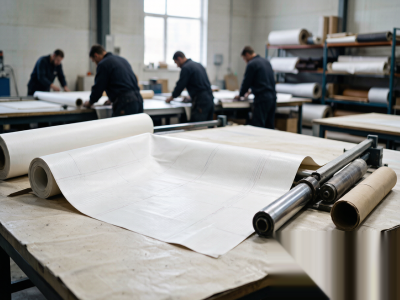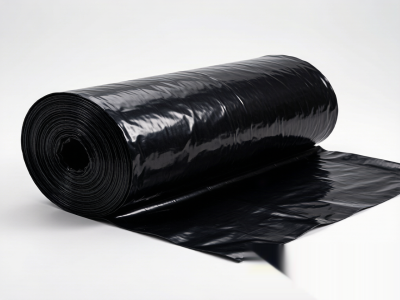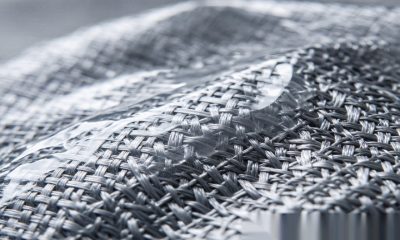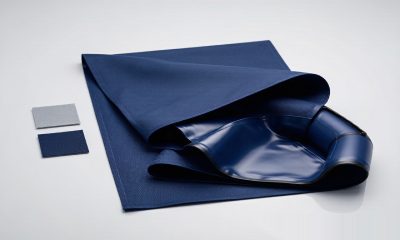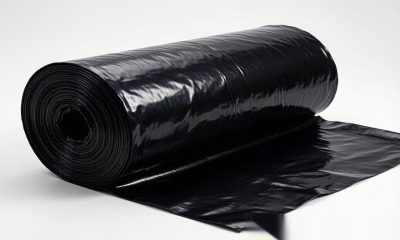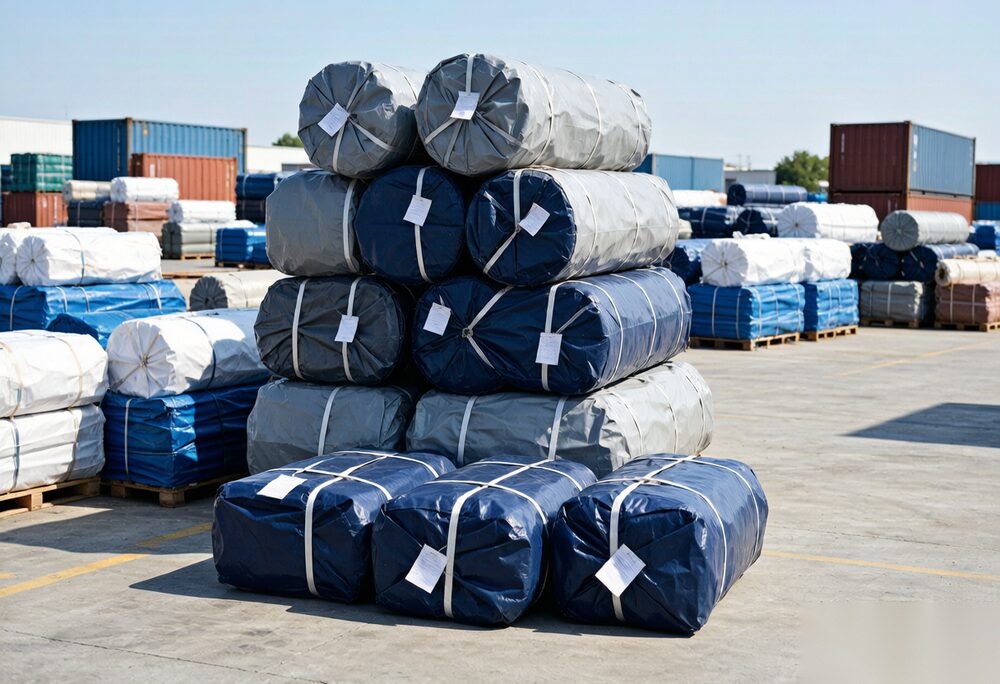
As green-building certifications tighten, specifiers are turning to TPO coated fabrics that offer weatherability without the plasticisers found in traditional PVC. The single-polymer chemistry simplifies recycling streams at end of life.
Kezhibo has expanded its TPO programme to cover roofing membrane, acoustic baffles and temporary enclosures, helping contractors meet circular-economy targets without sacrificing performance.
Why Green-Building Standards Are Reshaping Fabric Selection
For most of the coated fabric industry’s history, material selection was a two-axis decision: performance and price. Green-building frameworks added a third axis — environmental accountability across the material’s whole life — and that axis is no longer optional on the projects that define a manufacturer’s reputation.
Certification schemes and procurement policies increasingly ask pointed questions about a fabric’s composition and its end of life. What is in the coating? Does the material contain additives that complicate recycling? Can the fabric enter a recovery stream at decommissioning, or is it destined for landfill? A specification that cannot answer these questions is finding itself excluded from projects long before price is discussed.
Coated fabrics feel this pressure acutely because their traditional strength — a reinforced composite of fabric and polymer — is also their environmental complication. A polyester weave carrying a plasticised PVC coating is a two-material product with a chemistry that resists simple separation. That does not make PVC the wrong choice everywhere; it makes the composite question unavoidable wherever circular-economy targets are written into the brief.
The Chemistry: What Makes TPO Different
Thermoplastic olefin (TPO) changes the equation at the polymer level. A TPO coating is a single olefin-family polymer system without the plasticisers that conventional flexible PVC requires. That single change propagates through the material’s entire life story.
No plasticiser migration. The components that make PVC flexible are also the components that can migrate out over years, stiffening the coating and, in recycling terms, contaminating the polymer stream. TPO’s flexibility comes from the polymer structure itself, so there is nothing to migrate and nothing to lose.
Simplified recycling streams. At end of life, a single-polymer coated fabric is a far cleaner input for recovery than a plasticised-PVC composite. The TPO fraction can enter olefin recycling flows with less sorting and less chemical complication — which is exactly the property circular-economy documentation wants to be able to claim.
Weatherability as a native property. TPO compounds are engineered to resist UV, ozone and temperature cycling in their base chemistry. The fabric does not depend on an additive package holding out against the sun; the polymer itself is built for exposure. Long-term outdoor behaviour follows from structure rather than from formulation defences.
Where TPO Coated Fabrics Fit in Green Construction
Kezhibo’s expanded TPO programme concentrates on three application families where the material’s properties align with project requirements.
Roofing membrane. Flat and low-slope roofing punishes materials with a combination of heat, UV, standing water and thermal movement. TPO’s weathering behaviour and plasticiser-free chemistry suit exposed membrane duty, and the fabric’s reinforcement carries wind uplift and foot traffic. For projects pursuing green-building certification, a roofing membrane with a cleaner end-of-life story can tip a specification that would otherwise default to conventional options. See the roofing membranes range.
Acoustic baffles. Interior acoustic elements sit in occupied spaces for decades, and their material faces two audiences at once: the building’s users, who see and touch it, and the certification consultant, who reads its composition. A fabric without plasticisers removes a recurring indoor-environment question while providing the durable, printable surface baffle designs need.
Temporary enclosures. Site hoardings, event structures and containment covers have short service lives and high churn — which makes them the least sustainable category when the material is single-use and the destination is landfill. A recyclable, weatherable TPO construction lets contractors specify temporary works with a recovery route, an increasingly common requirement on projects with circular-economy commitments.
Where PVC Still Wins — An Honest Comparison
A credible materials argument does not pretend one polymer is always right. PVC remains the rational choice across a large share of coated fabric applications, and buyers deserve to know why.
PVC is weldable on ubiquitous, inexpensive equipment; TPO welding needs matching process control. PVC carries an exceptionally broad flame-retardant and additive toolkit, which public-venue regulations frequently demand. PVC’s cost-performance on general outdoor duty — truck covers, standard banners, general-purpose tarpaulins — remains unmatched. For these duties, the PVC membrane and tarpaulin ranges continue to be the default recommendation, and pretending otherwise would be poor engineering advice.
The decision rule is straightforward: when the duty is general and the price-performance matters most, PVC wins; when the specification carries environmental accountability, long exposure, or a recovery commitment, TPO moves to the front.
Specifying TPO for Circular-Economy Targets
Buyers moving to TPO should hold it to the same numerical discipline as any technical textile, with three additions specific to the polymer:
- Adhesion values. Coating-to-fabric adhesion is the property that keeps a TPO construction a single recyclable material. Ask for measured values, not assurances.
- Welding guidance. TPO welds differently from PVC. Confirm the recommended parameters and verify that your fabrication equipment and crew can execute them before committing a project.
- UV and exposure documentation. Weatherability should arrive as test data for the exposure class your project faces, not as a catalog adjective.
Kezhibo supplies TPO coated fabrics within the TPU / TPO coated fabric range, produced on knife-coating lines under ISO 9001 certified management, with constructions tuned through custom manufacturing services where a project’s duty cycle demands it.
Performance First, Circularity Built In
The rise of recyclable TPO coated fabrics is not a story about sacrifice. It is a story about polymer chemistry catching up with procurement reality: materials that survive their duty cycle, document what they are made of, and leave a cleaner recovery stream behind. For contractors and specifiers carrying circular-economy targets, that combination is no longer a nice-to-have — it is the specification.
Contact Kezhibo for TPO datasheets, samples and project-specific recommendations.