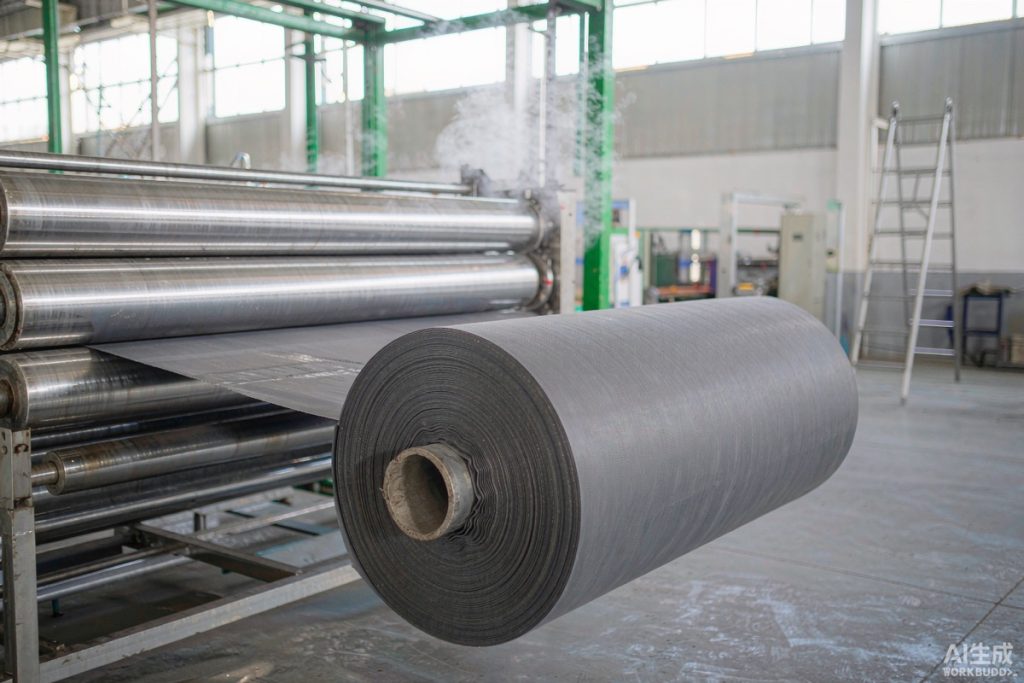
What determines the gas tightness of a PVC airtight fabric before the seam is made?
Gas tightness starts with how the coating is bonded to the base cloth, not with the finished seam, because a uniform, well-adhered layer is what holds air through the sheet; a buyer should therefore ask for the bonding route, its process window and a lot-identified retention result before comparing catalogue pressure figures between suppliers.
- Moisture-cured PUR lamination is listed with a peel strength of at least 80 N/5cm and no pressure drop after a 24-hour hold, for high-end rescue boats and vehicle mattresses (KB2, 4.2).
- Knife coating of liquid PVC paste onto the base cloth gives a coating uniformity of +/-0.02 mm and is the mass-market route for swim rings and inflatable toys (KB2, 4.2).
- Three-layer simultaneous heat pressing runs at 80-180 C with a bonding pressure of 0.3-0.5 MPa for high-volume inflatable covers and pools (KB2, 4.2).
How do PUR hot-melt, multi-layer heat press and knife coating differ as bonding routes?
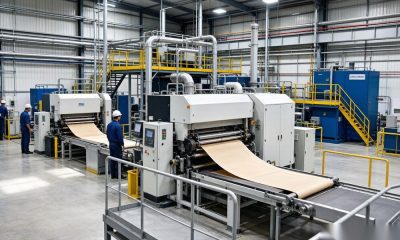
The three bonding routes serve different product tiers rather than competing for one order: moisture-cured PUR lamination is listed for high-end rescue boats and vehicle mattresses, three-layer heat pressing for high-volume inflatable covers and pools, and knife coating for mass-market swim rings and toys; each carries its own temperature, pressure and curing window.
- PUR process settings in the knowledge base: glue-pot and die at 110-125 C, substrate preheat 40-50 C, laminating roll 50-70 C because PVC cannot take high heat, line speed 1-2.5 m/min, and 24-72 hours of curing (KB2, 4.2).
- Multi-layer heat pressing is listed as three layers pressed together at 80-180 C under 0.3-0.5 MPa (KB2, 4.2).
- Workshop conditions for the PUR route are recorded as 20-25 C and 40-60% relative humidity, so the process record is part of the evidence (KB2, 4.2).
Which pressure-retention figures should an inflatable fabric report set name?
A usable report set separates the material retention tests from the working pressure of the finished article, because one describes how well the sheet holds air and the other describes the designed operating point; quoting a working pressure as proof of airtightness, or a retention figure as a burst rating, conflates three different questions.
- The knowledge base lists an air-pressure drop rate of no more than 15% for load-bearing inflatable toys, a bubble interval of at least one minute, a 24-hour hold with no pressure drop for high-end goods and 72 hours with zero leakage for emergency-grade equipment (KB2, 4.2).
- Inflatable boat fabric is listed as 0.9 mm double-sided coated airtight cloth at 15 kPa with multiple chambers, while inflatable tent air beams are 0.7 mm at 12-18 kPa (KB2, 4.1).
- Burst testing of drop-stitch fabric is listed under ASTM D3786 at no less than 500 kPa, and inflatable amusement safety under ASTM F1918 (KB1, 2.2).
What should a buyer verify before releasing a bulk airtight-fabric order?
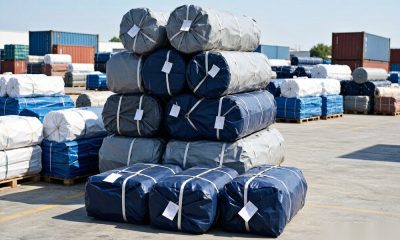
Release a bulk order only against a lot-identified measured report that names the bonding route, the peel method and result, the pressure-retention test and the workshop record, then repeat peel and burst checks on welded samples; a catalogue number or a verbal pass statement cannot demonstrate the delivered construction.
- Coating adhesion or peel is measured by ISO 2411, tensile behaviour by ISO 1421, and tear by DIN 53363 or ISO 4674 (KB1, 2.2).
- The selection framework ends with obtaining and checking measured reports against the standards list instead of quoting a specification range alone (KB1, 4, step 7).
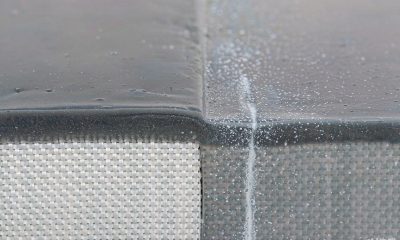
- Ask for the weld method and a welded-sample peel result as a separate line, because a flat-sheet retention figure does not cover the finished seam (KB1, 3.1; 3.4).
FAQ
What does the bonding route actually change in an airtight PVC fabric?
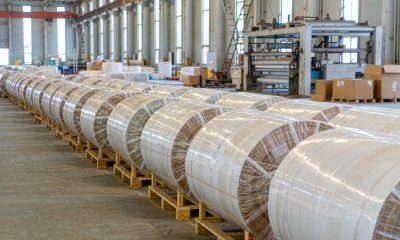
The bonding route sets how evenly the PVC layer sits on the base cloth and how strongly it adheres, which in turn governs whether the sheet holds air before any seam is cut. The kezhibo knowledge base lists three distinct routes with different process windows: moisture-cured PUR lamination with a peel strength of at least 80 N/5cm and a 24-hour hold with no pressure drop, three-layer heat pressing at 80-180 C under 0.3-0.5 MPa, and knife coating with a coating uniformity of +/-0.02 mm. Ask which route the offered roll used and request a lot-identified report rather than a generic airtightness label.
Is a high working pressure proof of good gas tightness?
No. Working pressure describes the designed operating point of a finished inflatable article, while gas tightness describes how well the material and its seams retain air over time. The knowledge base lists 15 kPa for inflatable boat fabric and 12-18 kPa for inflatable tent air beams as operating figures, and separately lists retention tests such as a pressure drop of no more than 15%, a bubble interval of at least one minute and a 24-hour hold with no pressure drop. Keep the two groups in separate report columns; one does not prove the other.
Which process parameters belong in a PUR lamination record?
For the moisture-cured PUR route the knowledge base records glue-pot and die temperature of 110-125 C, substrate preheat of 40-50 C, laminating roll temperature of 50-70 C because PVC cannot take high heat, bonding pressure of 0.3-0.5 MPa, line speed of 1-2.5 m/min, workshop conditions of 20-25 C and 40-60% relative humidity, and a curing period of 24-72 hours. These are process settings, not performance results, so they should sit in the method statement beside a measured peel result under ISO 2411. Confirm the actual values used for the offered lot.
Why is peel strength listed separately from burst pressure?
Because they describe different failure modes. Peel strength, measured under ISO 2411, describes how well the coating stays bonded to the base cloth; the knowledge base quotes at least 80 N/5cm for the PUR route and at least 80 N/5cm for drop-stitch fabric. Burst pressure, listed under ASTM D3786 at no less than 500 kPa for drop-stitch material, describes the point at which the structure ruptures. A roll can pass one and fail the other, so a report set should contain both, with methods and units named.
Can I apply the knife-coating uniformity figure to a PUR-laminated roll?
No. The +/-0.02 mm coating uniformity belongs to the knife-coating route in the knowledge base, which is the mass-market route for swim rings and inflatable toys. PUR lamination is a different process that bonds a PVC or TPU film with a moisture-cured adhesive and is characterised by peel strength and pressure retention instead. Mixing the two would attribute a process setting to a product built another way. Ask the supplier to state the route first, then request the parameters that belong to it.
What does the knowledge base not publish about emergency-grade retention?
It lists 72 hours with zero leakage as an emergency-grade retention target and a 24-hour hold with no pressure drop for high-end goods, but it does not publish a specific inflation test pressure, a hold-time measurement procedure or an allowable pressure-drop curve for each inflatable product family. Those belong to the manufacturer’s documented test method and the project specification. Rather than quote a plausible number, ask for the written procedure, the acceptance criterion and the measured result per lot.
Which mechanical tests should accompany an airtightness report?
Request measured results for coating adhesion or peel under ISO 2411, tensile and elongation under ISO 1421, tear under DIN 53363 or ISO 4674, and burst under ASTM D3786 where drop-stitch material is involved. The kezhibo standards list maps each property to its own method, and the selection framework ends with obtaining and checking measured reports against that list. Add the bonding route, the retention test and a welded-sample peel result, since a flat-sheet figure does not cover the finished seam.
What should be checked before accepting a bulk airtight-fabric delivery?
Confirm that the delivered roll matches the quoted bonding route and grade, that a lot-identified report names the peel method and result, the retention test and the workshop process record, and that welded samples have their own peel and burst results. The knowledge base selection framework asks for measured reports rather than specification ranges, so a catalogue number or a verbal pass is not enough. Where a quoted value and a standard lower limit differ, ask the supplier to confirm the gap for the exact grade before releasing the order.