
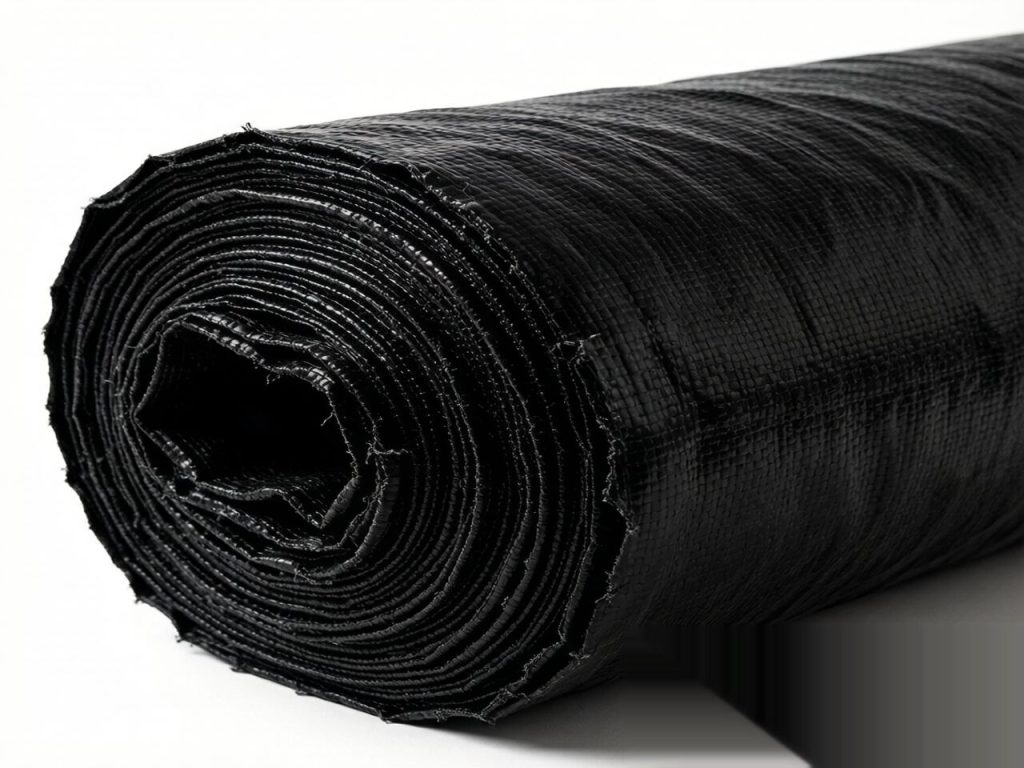
Background: why one tarp is hard to recycle
A typical industrial PVC tarpaulin is a composite: a woven polyester (PET) scrim encapsulated in PVC coating on both sides. What is recyclable is the chemistry; what blocks it is the construction. Separating the PVC from the PET is the entire difficulty, and the Vinyl Council of Australia states it plainly – bonding two plastics into a coated woven fabric is exactly what makes recycling hard. A resin code printed on the hem is an identification mark, not a collection agreement; the US EPA confirms a resin identification code does not guarantee local recyclability.
The infrastructure is finally catching up
EU RETAIN project: runs May 2025 to October 2028, developing and demonstrating circular routes for PVC tarpaulins (source: derflex.com). It is a research objective, not a guarantee that a local facility accepts your shipment today – but it signals where collection will exist by the late 2020s.
VinylPlus / Recovinyl: about 765,972 tonnes of PVC were recycled in Europe in 2025, up 5.7% from 724,638 tonnes in 2024, roughly 10.3 million tonnes cumulative since 2000; coated fabric’s share of that system stays small (source: ly-trustlink.com). The EPCoat stream moved only thousands of tonnes a year even at its peak, so the tonnage is real but the scale is early.
VinyLoop dissolution: produces recycled PVC with 46% lower primary energy demand than virgin; TexBack’s PVC separation in Australia remains pilot-stage and cannot yet handle commercial volumes (source: ly-trustlink.com). And a caution from the field: Texyloop ended in 2018. Old brochures outlive the service they describe; do not treat an old programme name as a current booking option (source: derflex.com).
Five end-of-life routes (not equal)
- Mechanical: remove buckles, shred, extrude into a PES/PVC mix for mats, greenhouse flooring, engineering liners.
- Dissolution: solvent dissolves the PVC off the fibre, yielding separated PVC and polyester – the VinyLoop route.
- Swelling / delamination: a polar solvent swells the coating for physical separation; rated the highest future potential because it avoids breaking the polymer chain.
- Pyrolysis: polymers converted under heat into syngas, hydrocarbons and hydrogen chloride.
- Energy recovery: controlled incineration with HCl capture; better than landfill but destroys material value.
“Recyclable”, “recycled” and “bio-attributed” are three different documents. Recyclable is a statement about possibility – no volume, acceptor or scale implied. Recycled content is a measured percentage by weight, supported by a chain-of-custody certificate. Bio-attributed (BIOVYN, from a tall-oil by-product, carbon footprint down 70%+) is chemically identical to conventional PVC with the same recovery route; it is not biodegradable.
Advice that actually helps buyers
DERFLEX and Shanghai MSD both stress that longevity is the most effective form of recycling. A tarp that resists UV, keeps its coating adhesion and can be repaired spares raw material, transport and reprocessing energy that often exceeds what the recycling bin returns. Before a bulk order, record the material identity and batch; store used tarps clean, dry and folded; standardise specifications to reach a recycler’s minimum batch; and prioritise repair and reuse before material recovery. Match thickness and coating weight to the real service life – a one-season cover should not be built like a decade cover, and vice versa.
What ‘circular’ should mean in a purchase order
The honest state of the category is that collection infrastructure lags the chemistry. VinyLoop proved the dissolution route works and cuts energy 46%, but commercial capacity is thin, and TexBack is still pilot-stage. So the defensible buyer move is to design for the route that already exists: buy one consistent specification in volume, keep it clean and dry, and plan repair-and-reuse before recycling. Ask any supplier one narrow question – is there a named take-back acceptor, and what tonnage has it actually processed? A word like ‘recyclable’ without a number is not a claim you can audit. Where regulation is moving, as with the EU RETAIN demonstrator through 2028, specify traceability now so the material is ready when the collection network arrives, rather than discovering the batch was never separable.
Frequently asked questions
Q: Can a PVC tarp go in the standard recycling bin?
No. The US EPA confirms a resin identification code does not guarantee local recyclability; confirm a facility that actually accepts coated textiles first.
Q: What should I do before recycling?
Keep the original specification and batch reference, remove metal eyelets and webbing, store clean and dry, and establish the acceptor, volume and fees. Team up with other buyers to reach the tonnage specialist recyclers require.
Q: Does bio-attributed PVC help recycling?
BIOVYN and similar bio-attributed PVC use a tall-oil by-product and cut carbon footprint 70%+, but is chemically identical to conventional PVC with the same recovery route; it is not biodegradable.












