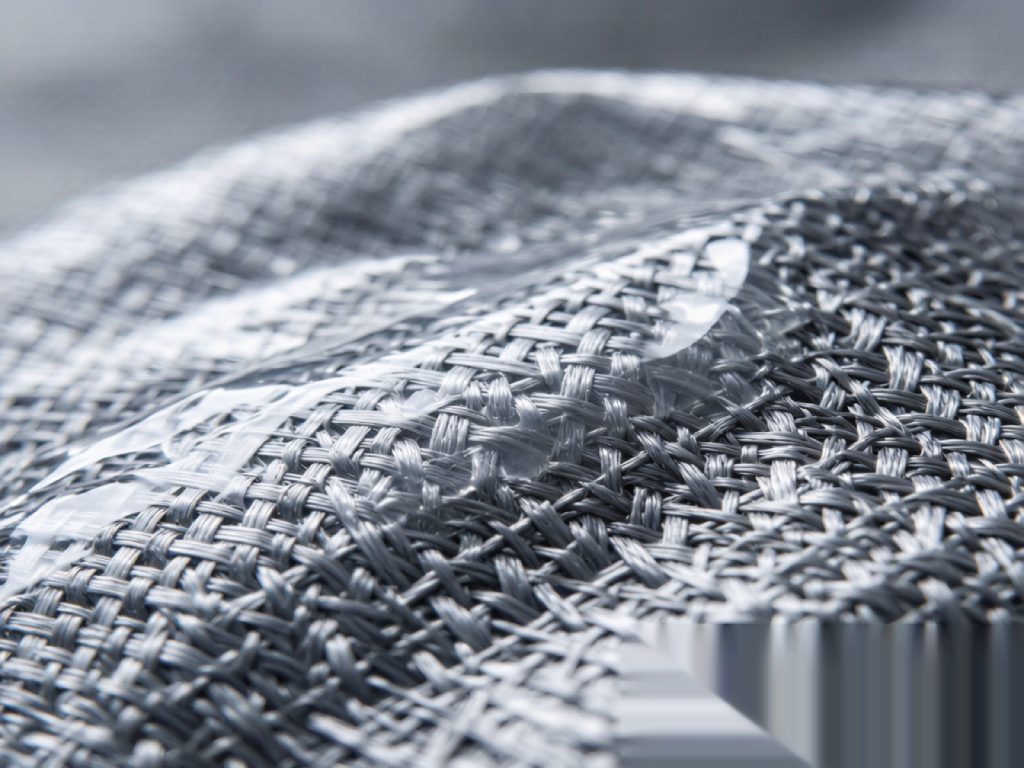
Background: why 210D became the 2026 value workhorse
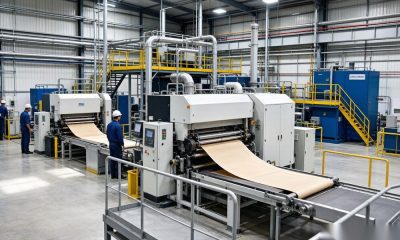
Bag and outdoor-gear makers fear two things: coating that goes stiff and cracks in the cold, and a unit-area cost they cannot bring down. Zhejiang Hongda Environmental (HongdaTEX) made its 2026 push with a 210D PVC-coated Oxford cloth aimed squarely at both – built for oven covers, furniture covers, camping-chair sleeves and bag shells across East/South China and Southeast Asia, where low-temperature tolerance, lasting UV resistance and high hydrostatic head all matter at once. The pitch is not “new fibre”, it is a structured choice across the whole DTY-spin-dye-finish chain.
Specs: from base cloth to coating
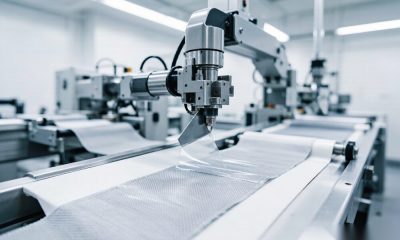
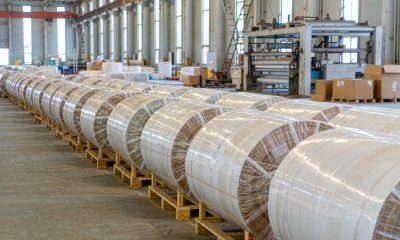
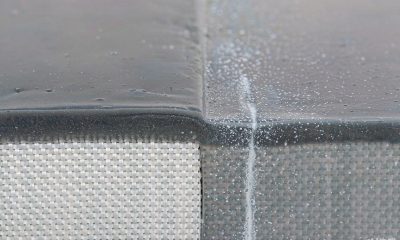
The 210D grade lands at 145±5 g/m², with warp tear >=85 N and weft >=72 N, balancing stiffness with crease recovery (source: foshan.11467.com). Coating is a double-side precision laminate held to 0.18-0.22 mm; after -20°C for 72 h with 500 flex cycles it showed no cracking or chalking and >=93% adhesion retention. Against a 300D PVC-coated cloth, unit-area cost drops 12.6% and shipping volume 18%, which suits small batches and frequent replenishment, and the line is ISO 9001 certified rather than a lab sample.
Why 210D and not simply “thinner is cheaper”? Denier is a structural choice. At 145 g/m² the cloth keeps enough tear strength for covers and chair sleeves while trimming weight and freight. It is not a downgrade; it is a right-sizing for applications that never needed 300D’s margin.
Which coating system (a buyer’s view)
The industry comparison is blunt. PVC coating reaches about 3000-5000 mm hydrostatic head, cheapest and most abrasion-resistant, but heavier, stiffer and restricted for phthalates in some markets (source: bagluggagefabric.com). PU is softer at ~1500-3000 mm and can hydrolyse in humid storage, so ask about humid-service life. TPU stays flexible in cold and hits 5000-10000 mm but costs more. On 600D Oxford, PVC add-on is often 80-150 gsm with ~10k-30k Martindale cycles; only heavy-abrasion gear moves to 900D-1200D.
One point buyers miss: waterproof is a construction claim, not a fabric claim. An uncoated 600D shell wets through under sustained rain; a coated shell with untaped seams still leaks through every needle hole. Specify a hydrostatic-head target, a spray rating (AATCC 22 / ISO 4920) and seam sealing on the finished item, and the claim becomes defensible.
Where it is used
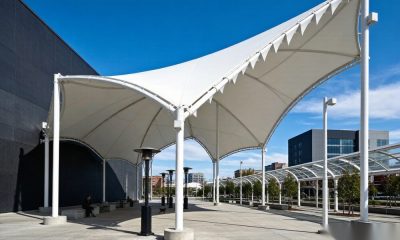
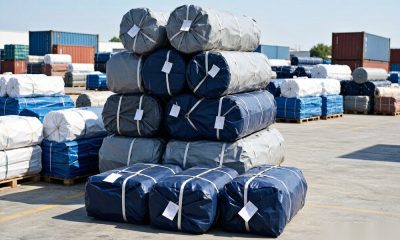
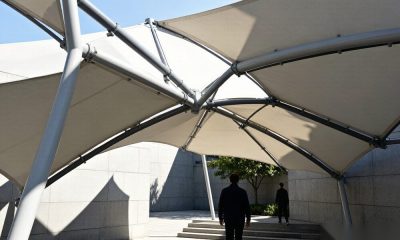
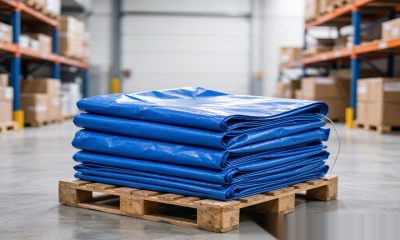
Oven and furniture covers, folding gazebos, camping-chair sleeves, bag shells, waterproof bone-bags (PU/PVC optional, GRS-certified RPET for EU/US sustainable sourcing), plus fishing, fresh-cold-chain and outdoor-wet environments. On cross-border platforms these bone-bags sit in the outdoor and storage best-sellers year-round, peaking at summer-beach and holiday seasons.
Specifying the right cloth
- Fix construction: 210D/420D/600D x 300D, DTY or FDY yarn, virgin or recycled feedstock.
- Set finished-weight tolerance at +/-5%, quote coating in gsm, and ask for an adhesion or hydrostatic-head report.
- Add a light-fastness grade for outdoor items; brand audits need REACH / Prop 65 / GRS paperwork.
- Waterproof products must have sealed seams, or stitch lines leak.
- Re-test every inbound lot against a sealed reference swatch to block unapproved substitution – the most common failure is an unapproved swap, not a bad fabric.
Reading a coating datasheet without being misled
The number that settles most disputes is coating add-on in gsm, not denier. A 600D base at 240 gsm total may hide 45 gsm of PU or only 18 gsm, and those two fabrics behave differently after a season outdoors. Insist the certificate names coating add-on, finished weight and the test standard; certificates without those three details cannot defend a specification argument later. For bags that live outside, add a light-fastness grade on the blue-wool scale and confirm Martindale or Wyzenbeek cycles at the stated load. Recycled 600D from post-consumer PET now performs within a few points of virgin on tensile and tear, so GRS or OBP documentation – not the yarn itself – is what brand audits actually check. The cheapest decision is rarely the coating; it is the unapproved substitution spotted only after cutting begins.
Frequently asked questions
Q: What is the difference between 210D and 600D Oxford?
210D is lighter and cheaper, suited to small batches and light abrasion; 600D carries higher tear and abrasion and is the usual floor for a five-year hard backpack. Moving to 1200D roughly doubles yarn mass in the same panel.
Q: Is PVC-coated Oxford waterproof?
After coating it reaches about 3000-5000 mm hydrostatic head, but that is the result of fabric plus sealed seams; unsealed stitch holes still leak. Waterproof is a finished-item claim, not a roll claim.
Q: Will it work in low temperature?
Hongda’s 2026 grade showed no cracking after -20°C for 72 h and 500 flex cycles with >=93% adhesion retention, suited to East/South China and Southeast Asian outdoor use where many PVC oxfords go brittle below -10°C.