The bottom line
North America is entering a new pool renovation cycle. Millions of residential pools built in the 1980s through the early 2000s now face interior finishes that have failed functionally, not just cosmetically. Into that gap, the reinforced PVC pool liner — a sandblasting-free, fully watertight finish with a 20–25 year service life — is moving from commercial renovation projects toward the residential market.
Background: the finish crisis in aging pools
Cracked plaster, persistent staining, rough surfaces and recurring repairs are the shared symptoms of these older pools. A traditional plaster finish typically needs redoing every 7–10 years, and redoing it usually means sandblasting dust, several consecutive dry sunny days, and about a week of cure before refilling. Carl St-Jean, owner of Piscines Bayto and Béton Decorum in Quebec, notes that concrete pools from the 1980s and 1990s are being renovated or resurfaced at exponential rates, yet the traditional method is not always ideal.
How it works: why the PVC membrane is simpler
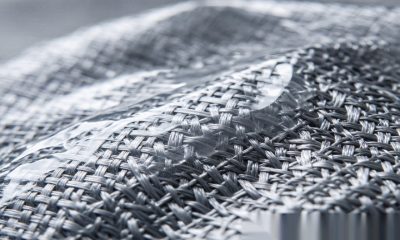
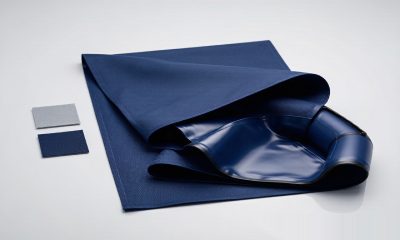
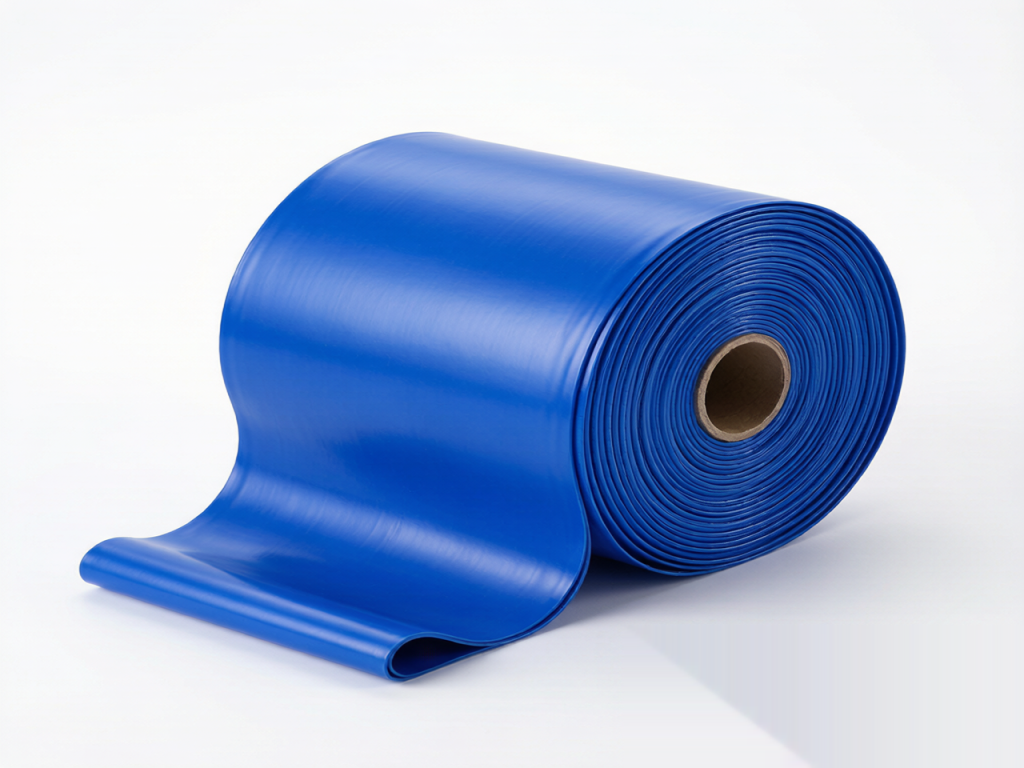
A reinforced PVC membrane is not a single skin — it is a composite sheet with a reinforcing layer that acts as both the interior finish and a watertight lining over the existing structure. The install sequence is far gentler than repainting: drain and clean the shell, lay the membrane, weld the seams, trim and detail, then refill — typically a few days versus the two-plus weeks a plaster redo demands with its sandblasting and cure window. St-Jean points out that the plunge pools his firm builds use monolithic cement shells with plumbing pre-assembled into the walls, arrive finished with a reinforced PVC membrane, and are ready to fill on site.
Where it fits: three pool types, three cycles
① Concrete/plaster pools: shells last decades, but plaster needs resurfacing every 7–10 years; concrete cracks naturally, so the reinforced membrane solves both finish and waterproofing. ② Vinyl-liner/steel-wall pools: the wall lasts decades, but liners age — losing elasticity, fading, seam fatigue, puncture — on a roughly 7–10 year replacement cycle; reinforced PVC is often chosen as a premium upgrade. ③ Fiberglass shells last decades and are triggered instead by gelcoat wear, oxidation, discoloration or blistering.
Climate matters here. In freeze-thaw regions the repeated expansion and contraction is exactly what opens cracks in rigid plaster; a reinforced membrane accommodates that movement without the shell itself being rebuilt, which is why it is pitched as a long-term repair rather than a cosmetic patch.
Market and trend: commercial projects prove it first
Reporting from Pool & Spa Marketing notes that hundreds of commercial pool projects run each year in North America (new build plus major renovation). Reinforced PVC membrane systems are still a small share but are frequently selected as long-term repairs for cracked or deteriorated concrete vessels, exactly where reliable waterproofing is non-negotiable. Those commercial wins are building confidence for residential renovations.
What specifiers should check
① Confirm it is a reinforced composite, not a standard vinyl liner. ② Check seam welding (hot-air or RF) and factory-welded width; for large vessels prefer a weldable, large-format spec. ③ Look at chlorine and UV stability and thickness (commonly 1.2–1.5 mm). ④ Get a written 20-plus-year, fully-watertight commitment and verify the local installer is fluent in the method.
On quality control, ask how seam integrity is verified — spark testing or similar non-destructive checks on welds is standard on serious commercial jobs — and what warranty the installer backs the membrane with. A 10-year-plus commercial warranty is common where the product is specified correctly; anything vague should be a red flag.
Cost viewed over the life of the pool
The membrane’s higher upfront material cost versus a plaster redo is usually offset by the interval: plaster returns every 7–10 years with its dust and downtime, while a correctly specified reinforced liner is a once-or-twice-in-a-lifetime event. For a commercial operator that math — fewer closures, no sandblasting permits, predictable scheduling — is why the category keeps winning specification even where first cost is higher. The same logic applies to vinyl-liner pools, where a reinforced upgrade stretches a 7–10 year liner cycle toward the membrane’s two-decade horizon.
FAQ
Q1: How is a reinforced PVC liner different from a standard vinyl liner?
A1: The reinforced version is a composite sheet with a reinforcing layer that doubles as finish and structural waterproofing and lasts 20–25 years; a standard vinyl liner is a single flexible skin lasting about 7–10 years, mostly an entry-level swap for steel-wall pools.
Q2: For an old concrete pool, what beats repainting?
A2: No sandblasting, no dust, a schedule cut from roughly two weeks to a few days, plus full watertightness and longer life — attractive to owners who cannot afford a long pool shutdown.
Q3: How do thickness and life relate?
A3: Pool membranes commonly run 1.2–2.0 mm; thicker resists puncture and chlorine aging better, but the reinforced structure and proper welding — not thickness alone — deliver the 20–25 year life.
Source: Pool & Spa Marketing, ‘The next pool renovation cycle: PVC membranes emerge as an alternative finish’.