The bottom line
On October 28, 2026, circular-economy investor Closed Loop Partners extended a catalytic loan to Colorado startup Renegade Plastics to scale a mono-material polypropylene (PP) coated textile on its Denver pilot line. The material is engineered to replace harder-to-recycle multi-material PVC, PE and PU coated fabrics because it can actually be recycled at end of life. For the PVC coated fabric industry this is not a press release to ignore — it is a procurement signal that downstream brands are writing ‘recyclable’ into their supplier gates.
Background: why PVC coated fabric is under pressure
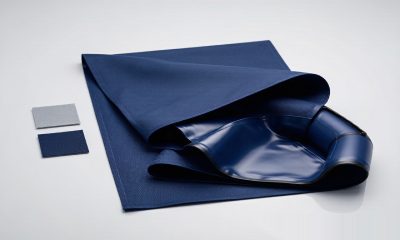
Coated textiles — technical and industrial fabrics — span construction, signage, logistics, sports, automotive, healthcare and apparel, a market opportunity north of USD 91 billion. Within that opportunity the biggest pulls are transportation, signage and protective clothing. PVC has dominated the category for clear reasons: cheap, abrasion resistant, easy to weld, flexible. But the back end is the weak spot. PVC degrades at relatively low temperatures and releases hydrogen chloride gas during reprocessing, and scrutiny over phthalate plasticizers and PFAS (‘forever chemicals’) has pushed major brands to put PVC and fluorinated materials on phase-out lists.
How it works: why a single polymer recycles more easily
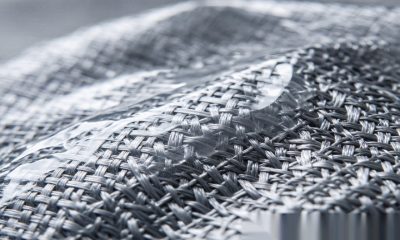
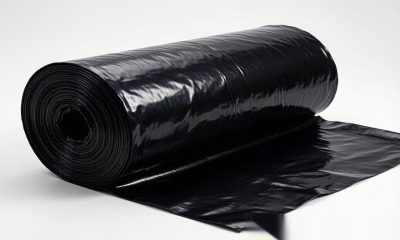
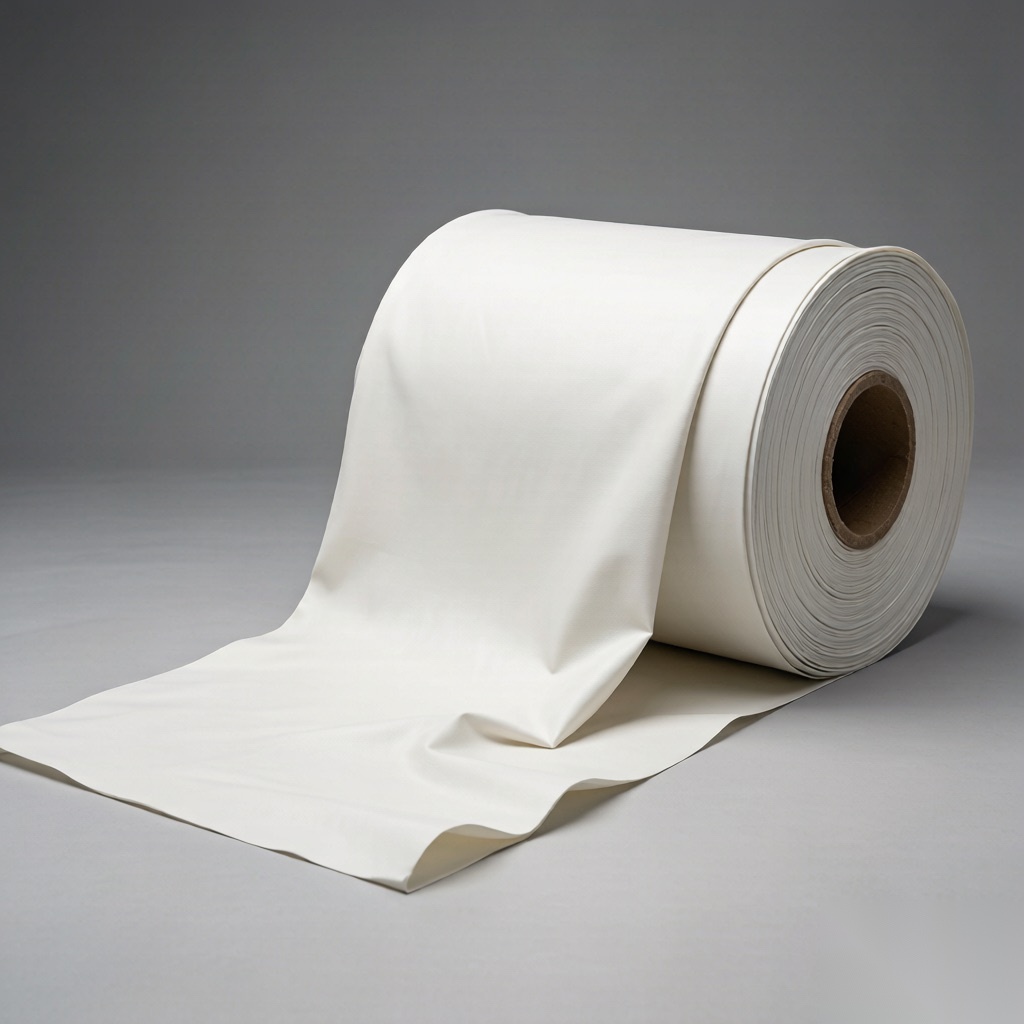
Renegade laminates PP onto a woven PP scrim, so the whole material is one polymer instead of the hard-to-separate PVC-coating-plus-polyester-substrate combination. The finished product is designed to be recycled at end of life. Rolled fabric is made to varying specs for tarps, mats, geotextiles, seat covers, mattresses and weatherproof bags, plus industrial uses such as agricultural curtains, reusable dunnage, automotive composites and construction materials.
According to the company, versus a virgin PVC fabric of similar performance the PP route carries roughly 50% lower carbon footprint while being lighter and comparably performant; the goal is over 25% recycled content in the finished fabric. It also makes grommets from 100% rPP that it claims outperform conventional ones. The decisive piece is a network of more than 10 qualified recycling partners that take back post-use tarps and fabrics, shred and reprocess them into a drop-in rPP resin Renegade reincorporates — a genuine closed loop.
That carbon claim deserves a caveat: a ~50% lower footprint versus virgin PVC assumes rPP feedstock and excludes a collection infrastructure that is still immature. Until take-back is widespread, most PP-coated textile will not actually re-enter the loop, so the environmental edge is potential, not yet realized at volume.
Where it is landing first
Colorado already has Extended Producer Responsibility (EPR) policy in place, and the loan pairs with a USD 5 million grant Renegade received from Colorado Circular Communities for a commercial-scale facility. Under that combined EPR-and-brand-de-PVC pressure, the scenes that flip first are high-frequency, high-volume, hard-to-recycle ones: logistics pallet covers, agricultural curtains, reusable packaging.
Market and trend: the window for PVC coated fabric
None of this means PVC coated fabric disappears overnight. Its cost and performance moat holds in transportation (about 33% of polymer coated fabric use) and architectural membranes. But the inflection is real: buyers now ask for phthalate-free, low-VOC, design-for-recycling. The pragmatic response for makers is three moves — shift formulations to phthalate-free and low-emission, build or partner a recovery channel, and state end-of-life handling honestly in the TDS instead of hiding behind ‘recyclable’ labels.
Specification records buyers should keep
For any coated-fabric purchase carrying an end-of-life claim, keep a batch record: supplier grade and original order, base fabric and coating description, topcoat and any printing, use history and attachments, plus shipment and accepted weights. A pickup receipt proves transfer, not that material became recycled output — ask for batch-linked weight records and treatment confirmation from the processor.
A pragmatic middle path
None of this requires abandoning PVC today. The defensible near-term move for suppliers is phthalate-free, low-emission PVC coated fabric with REACH and RoHS evidence, paired with honest end-of-life guidance. That keeps the cost and weldability advantage while closing the compliance gap that is actually driving brand defections.
What buyers should ask now
① Confirm whether substrate and coating are the same polymer and can be recycled as one. ② Demand the recycler’s written acceptance spec, not a marketing claim. ③ Verify phthalate and PFAS compliance against REACH and RoHS. ④ For volume tarps, require a batch-level material record so the product is traceable at end of life. Asking these upfront is far cheaper than remediating later.
FAQ
Q1: Will PP coated textile fully replace PVC coated fabric?
A1: Not soon. PVC keeps cost, weldability and weather-resistance advantages, especially in transport covers and architectural membranes. Substitution starts in easy-to-recycle, high-turnover industrial scenes, not a wholesale swap.
Q2: If I keep buying PVC coated fabric, how do I cut compliance risk?
A2: Prefer phthalate-free, low-VOC formulations with REACH/RoHS evidence, and ask the supplier for take-back or recycling-partner information, writing end-of-life handling into the purchase contract.
Q3: Can PVC coated fabric itself be recycled?
A3: Yes, but only when segregated and fully documented by substrate and coating. Europe’s Recovinyl directory and specialist recyclers are a starting point; mixed or contaminated scrap must be identified and sorted first, not treated as generic plastic.
Source: Closed Loop Partners official announcement (2026-10-28), closedlooppartners.com.