Why Stock Can Still Fail
A flame-retardant PVC tarpaulin can look perfect on arrival and still fail the buyer’s vertical burn test — rarely because of the polymer, but because of how much retardant was dosed, the coating weight and the base-fabric match. Specifiers should lock grade, standard and test method before ordering, not just the word flame retardant.
How FR Works
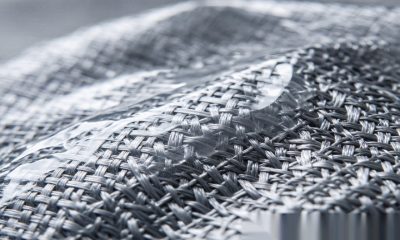
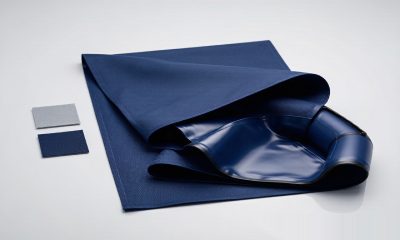
FR PVC works by adding retardants (aluminum hydroxide, antimony, phosphorus systems) into the coating; dosage sets self-extinguish time and char length. Common industrial tarps run 600–900 g/m², truck side curtains 900–1100 g/m² on 1000–1500D scrim. Too little fails the standard; too much sacrifices flexibility and cold performance.
Which Standard Fits the Use
- Tents and leisure: US CPAI-84, California Title 19;
- Public drapes and exhibitions: NFPA 701 (vertical burn, residual-flame time);
- European building and transport: EN 13501-1 classing (A2–E) and DIN 4102 B1;
- Material-level vertical burn: ASTM D6413 (measures damaged length, after-flame/afterglow).
Note that B1 is the widely cited Chinese difficult-to-ignite class (DIN 4102 / GB 8624). Buyers should demand the exact standard and report number from suppliers.
Applications
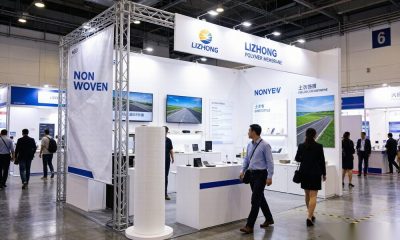
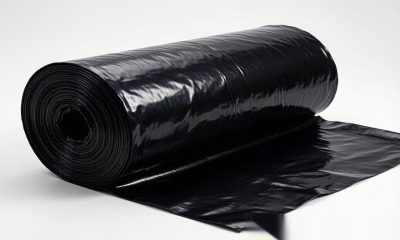
Welding curtains, container and cargo covers, storage tents, temporary stage and exhibition, mining and traffic isolation. Long-exposed outdoor structures also need UV and cold-crack resistance (−30°C).
Market and Trend
In 2026, explosive, mining and public-assembly buyers increasingly require traceable FR reports; demand is shifting from want FR to want verifiable FR. Third-party ISO/IEC 17025 lab reports are becoming the gate for clearance and tenders.
Buying and Inspection Checklist
- Pin the standard to the use (tent/drape/building) in the contract;
- Request reports with standard number and batch;
- Sample-test vertical burn, checking damaged length and after-flame;
- Confirm the retardant system avoids restricted substances (link to REACH phthalates/PFAS);
- Inspect coating uniformity, seams and weight on site;
- For long outdoor use pick FR fabric with UV co-extrusion and cold-formula.
FAQ
What does B1 mean?
B1 is the widely cited Chinese difficult-to-ignite class (DIN 4102 / GB 8624). But specify against a concrete test — NFPA 701, ASTM D6413 — with a report, not just the label.
Why can FR tarp still burn through?
Under-dosing, thin coating or mismatched scrim let the finished product fail vertical burn. Re-test by standard on samples per contract instead of trusting the FR claim.
Does FR fabric need chemical compliance too?
Yes. Retardant systems may contain REACH-restricted substances or PFAS; EU exports must also meet phthalate ≤0.1% and the proposed PFAS limit, so ask for a restricted-substance statement.