Polymer Composite Material Versatile Coated Fabric Solutions Polymer Composite Material – Product Introduction
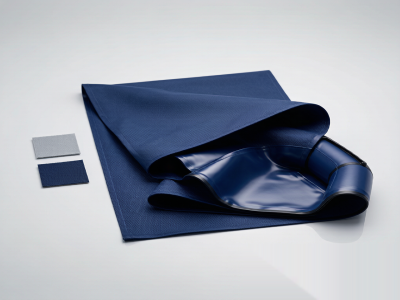
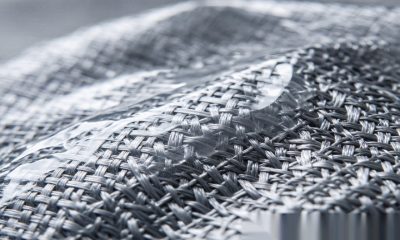
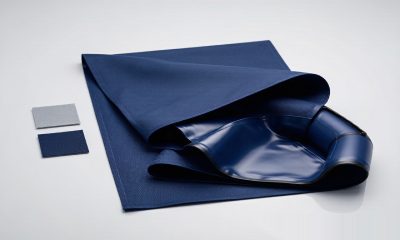
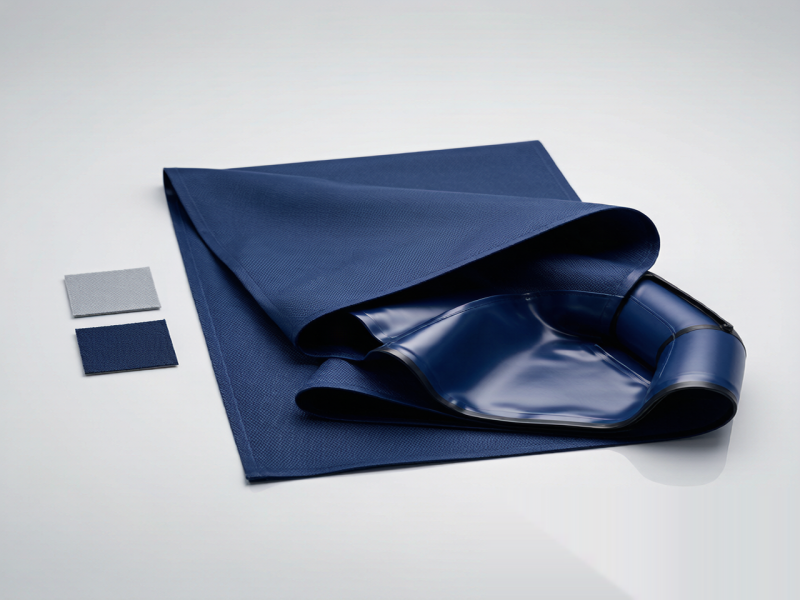
Polymer composite material represents a class of engineered fabrics where a polymer coating is bonded to a base textile, creating a material with enhanced durability, flexibility, and resistance to environmental factors. At Kezhibo New Materials, we specialize in producing polymer composite material that meets the rigorous demands of various industries, from construction to protective apparel.
Technical Parameters
Our polymer composite material is available with the following typical parameters (custom options available upon request):
- Weight: 200–2000 g/m²
- Width: Up to 3.2 meters
- Thickness: 0.2–2.0 mm
- Color: Customizable (standard black, white, green, blue)
- Material: PVC, PU, PE, or PTFE coated polyester or nylon
- Tensile Strength: 500–3000 N/5cm
- Tear Strength: 50–400 N
- Adhesion: >50 N/5cm
- Flame Retardancy: Meets various standards (e.g., NFPA 701, EN 13501)
Parameter Analysis
- Weight and Thickness: These parameters determine the material’s stiffness and load-bearing capacity. Heavier and thicker polymer composite material offers higher strength and durability, suitable for heavy-duty applications like truck covers and tarpaulins.
- Tensile and Tear Strength: High tensile strength ensures the material can withstand stretching forces without breaking, while high tear strength prevents propagation of tears, critical for applications like tents and awnings.
- Adhesion: Good adhesion between the coating and the base fabric ensures the material remains intact under stress and prevents delamination, extending the product’s lifespan.
- Flame Retardancy: This property is crucial for safety in public spaces, ensuring the material does not easily catch fire and complies with building regulations.
Application Scenarios
Polymer composite material is used in a wide range of scenarios, including:
- Architecture: Tensile structures, awnings, and roofing membranes.
- Transportation: Truck covers, tarpaulins, and side curtains.
- Protective Gear: Industrial curtains, welding screens, and protective clothing.
- Agriculture: Greenhouse covers and silage covers.
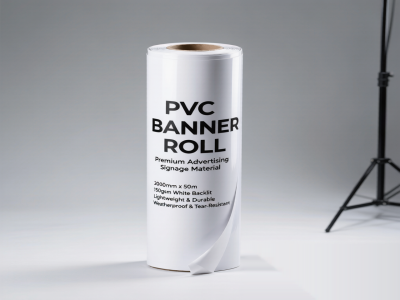
- Advertising: Banners and billboards.
Installation Guide
Proper installation is key to maximizing the performance of polymer composite material. Follow these general steps:
- Prepare the Site: Ensure the installation area is clean and free of sharp objects that could damage the material.
- Unroll and Lay Out: Carefully unroll the material and lay it flat to allow it to relax and acclimate to the environment.
- Cutting: Use sharp tools (e.g., a utility knife) to cut the material to the required dimensions, leaving extra allowance for fastening.
- Fastening: Secure the material using appropriate methods such as grommets, ropes, or clamps. Ensure even tension to avoid stress concentration.
- Seaming: For multiple panels, use heat welding or adhesive bonding to create watertight seams.
Usage Method
- Handling: Always handle polymer composite material with clean gloves to avoid contamination.
- Tensioning: When used in tension structures, apply gradual and even tension to avoid overstressing any area.
- Cleaning: Regularly clean the material with mild soap and water. Avoid abrasive cleaners that can damage the coating.
- Storage: When not in use, roll the material loosely and store it in a cool, dry place away from direct sunlight.
Maintenance Advice
- Inspect Regularly: Check for signs of wear, punctures, or loose seams, especially after severe weather.
- Clean Promptly: Remove dirt, bird droppings, and other debris to prevent staining and degradation.
- Protect from UV: Although the material is UV-resistant, prolonged exposure can still cause fading. Consider applying a UV protectant if recommended for your specific product.
- Avoid Sharp Objects: Keep the material away from sharp edges and tools to prevent punctures.
Repair Tips
- Small Punctures: Use a patch kit with compatible adhesive to seal small holes.
- Tears: For larger tears, sew a patch over the area and then apply a waterproof sealant.
- Seam Repair: If a seam is peeling, re-weld or re-glue it using appropriate heat or adhesive.
- Professional Help: For extensive damage, consult a professional to ensure the material’s integrity is restored.
Procurement Advice
When purchasing polymer composite material, consider the following:
- Specify Your Needs: Clearly define the required weight, thickness, strength, and flame retardancy based on your application.
- Request Samples: Obtain samples to test the material’s feel, flexibility, and performance.
- Check Certifications: Ensure the material meets relevant industry standards and certifications.
- Consider Lead Time: Plan your order in advance to account for manufacturing and shipping times.
- Order Extra: Purchase a small surplus to accommodate for mistakes or future repairs.
Packaging List
Each roll of polymer composite material is typically packaged as follows:
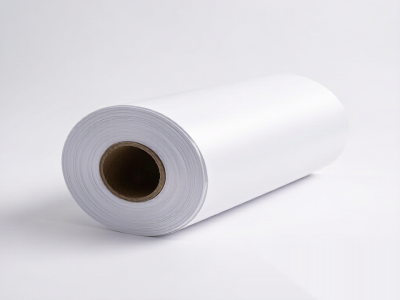
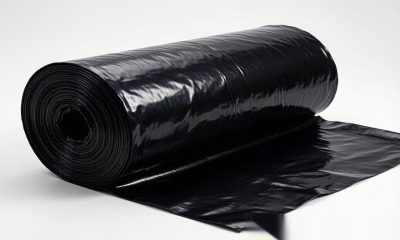
- Roll: The material is wound onto a sturdy core.
- Protective Wrap: The roll is wrapped in protective film to prevent damage during transit.
- Labeling: Each roll is labeled with product specifications and batch number.
- Documents: Include a packing list and material safety data sheet (MSDS) if applicable.
FAQ
Q1: What is the maximum width available for polymer composite material?
A1: Our standard maximum width is 3.2 meters, but custom widths can be produced upon request.
Q2: Can the material be printed on?
A2: Yes, many polymer composite materials are designed for printing, especially for banners and advertising applications.
Q3: How do I clean the material without damaging it?
A3: Use a soft brush or cloth with mild soap and water. Avoid high-pressure washers and harsh chemicals.
Q4: Is the material recyclable?
A4: Some polymer composite materials are recyclable. Please contact us for details on recycling options for your specific product.
Q5: What is the typical lead time for custom orders?
A5: Lead time varies depending on the order size and specifications. Typically, it ranges from 2 to 6 weeks.