Weather Resistant Material By Kezhibo Durable Coated Fabric For Extreme Conditions Weather-Resistant Material by Kezhibo
Product Introduction
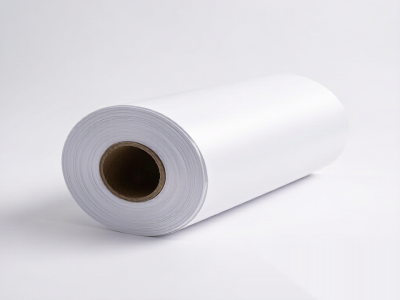
Kezhibo New Materials presents our advanced weather-resistant material, a high-performance coated fabric designed to withstand the harshest environmental conditions. This material is the result of extensive R&D, combining robust base fabrics with specialized polymer coatings to deliver exceptional durability, flexibility, and protection. Ideal for outdoor applications, it resists UV degradation, water penetration, and temperature fluctuations, ensuring long service life even in demanding climates.
Technical Parameters
While specific parameters can be customized to meet your project requirements, our standard weather-resistant material typically exhibits the following characteristics:
- Weight: Custom (typically 500–1000 g/m²)
- Width: Custom (up to 3.2 meters)
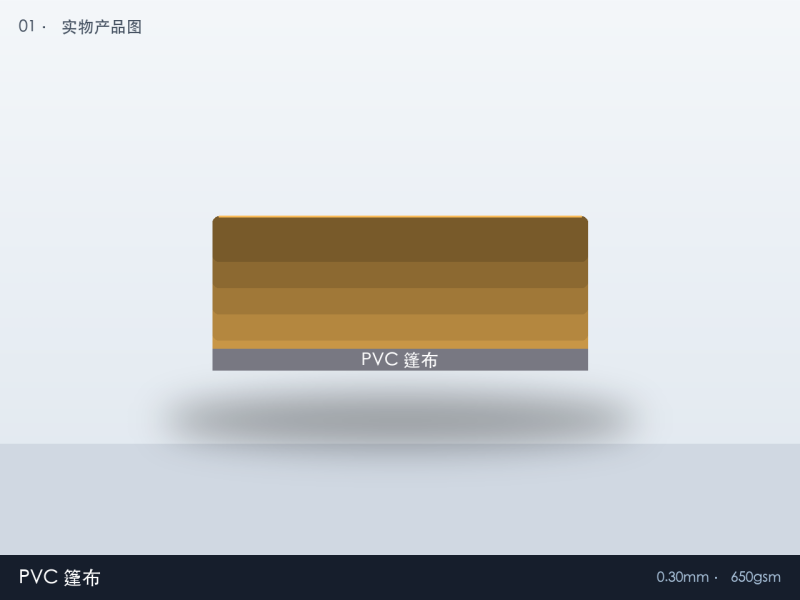
- Thickness: Custom (0.3–1.0 mm)
- Color: Custom (including high-visibility and camouflage options)
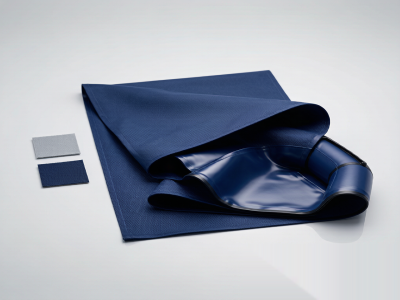
- Material: High-tenacity polyester or nylon base fabric with PVC, PU, or TPU coating
- Tensile Strength: High (warp and weft, typically ≥ 2000 N/5cm)
- Tear Strength: Excellent (typically ≥ 300 N)
- Adhesion: Superior coating-to-fabric bond (typically ≥ 80 N/5cm)
- Flame Retardancy: Meets various international standards (e.g., NFPA 701, EN 13501-1)
Parameter Analysis
- Tensile & Tear Strength: Ensures the material can withstand mechanical stress, such as wind load or stretching during installation, without tearing or deforming.
- Adhesion: A high adhesion value indicates that the coating will not peel off from the fabric, even under repeated flexing or exposure to chemicals.
- Flame Retardancy: Provides safety in applications where fire risk is a concern, such as temporary structures or public venues.
- Weight & Thickness: These factors influence handling, flexibility, and insulation properties. Heavier weights offer more robustness, while lighter options are easier to install.
Application Scenarios
Our weather-resistant material is versatile and finds use in numerous industries:
- Truck Tarpaulins & Covers: Protects cargo from rain, dust, and UV rays during transport.
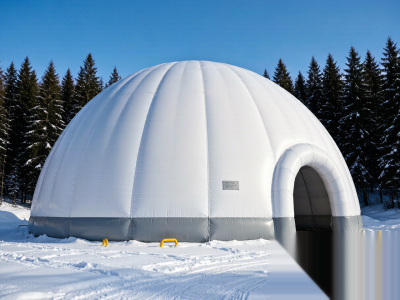
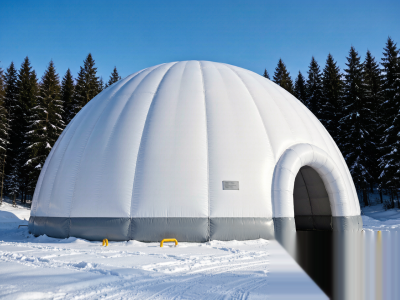
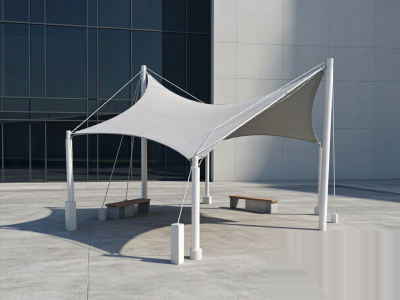
- Tents & Temporary Shelters: Used for event tents, emergency shelters, and military field accommodations.
- Agricultural Covers: Shields crops from frost, excessive sun, or heavy rain.
- Industrial Curtains & Welding Screens: Provides environmental separation and spark protection.
- Outdoor Furniture Upholstery: Resists fading and water damage for long-lasting aesthetics.
Installation Guide
- Preparation: Ensure the mounting structure is clean, smooth, and free of sharp edges that could damage the material.
- Cutting: Use sharp tools (e.g., scissors or a utility knife) to cut the material to the desired size, leaving extra margin for hemming or fastening.
- Fastening: Use appropriate hardware such as grommets, ropes, or straps. For permanent installations, consider welding or adhesive bonding.
- Sealing: For waterproof seams, apply a compatible seam sealer or use heat-welding techniques if the coating allows.
Usage Method
- Handling: Avoid dragging the material on rough surfaces to prevent scratches. Lift and carry with care.
- Installation: Ensure proper tension to prevent flapping or pooling of water. Allow for thermal expansion in extreme temperatures.
- Operation: For movable applications like awnings, use smooth-operating tracks or rollers.
Maintenance Advice
- Cleaning: Regularly clean with mild soap and water. Avoid abrasive cleaners or high-pressure washers that may damage the coating.
- Inspection: Periodically check for signs of wear, such as thinning, cracks, or loose seams.
- Storage: When not in use, store in a cool, dry place away from direct sunlight. Fold loosely to avoid creases.
Repair Tips
- Small Tears: Use a patch kit specifically designed for coated fabrics. Clean the area, apply adhesive, and press the patch firmly.
- Seam Separation: Re-sew with heavy-duty thread or apply a heat-seal patch if the material is thermoplastic-coated.
- Coating Damage: For minor coating abrasions, apply a compatible liquid sealant to restore waterproofness.
Procurement Advice
- Specify Your Needs: Clearly define the required weight, width, color, and performance standards (e.g., flame retardancy) to receive accurate quotes.
- Request Samples: Always ask for physical samples to test the material under your specific conditions.
- Consider Lead Times: Custom orders may take longer; plan your procurement accordingly.
- Quality Assurance: Choose a manufacturer with ISO certification and a proven track record, like Kezhibo.
Packaging List
Each roll of weather-resistant material is packaged with:
- Protective Wrapping: To prevent moisture and abrasion during transit.
- Label: Indicating model, batch number, and key specifications.
- Handling Instructions: For safe unloading and storage.
FAQ
Q1: Is this weather-resistant material suitable for extreme cold?
A1: Yes, our material is designed to remain flexible in low temperatures, but we recommend confirming the specific temperature range with our technical team for your application.
Q2: Can the material be printed on?
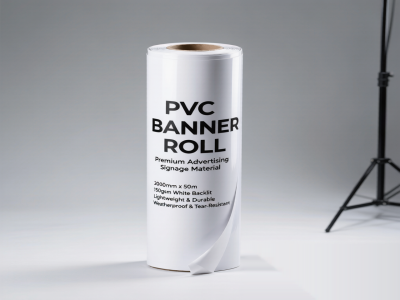
A2: Absolutely. The coating can be treated for solvent-based or UV-curable printing, making it ideal for advertising banners or branded covers.
Q3: How do I clean the material without damaging it?
A3: Use a soft brush or cloth with mild detergent and lukewarm water. Avoid harsh chemicals and high-pressure washing.
Q4: What is the typical lead time for custom orders?
A4: Lead time varies based on quantity and specifications, but generally ranges from 2 to 4 weeks after order confirmation.
Q5: Does the material comply with fire safety regulations?
A5: Our standard weather-resistant material can be manufactured to meet various flame-retardant standards. Please specify your required standard when ordering.