PVC Sunshade Film
Product Introduction
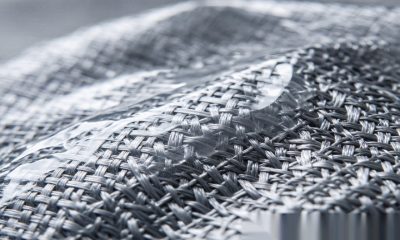
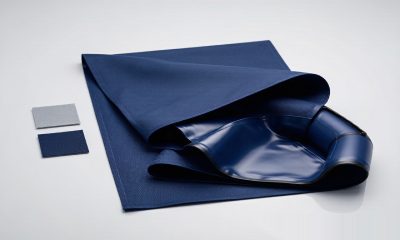
PVC sunshade film is a high-performance coated fabric designed for a wide range of shading and sun protection applications. Manufactured by Kezhibo New Materials, this film combines durability, flexibility, and excellent UV resistance to deliver reliable performance in outdoor environments. The material is engineered to withstand harsh weather conditions while maintaining its structural integrity and aesthetic appeal.
Technical Parameters
- Weight: Custom (typically 500-1000 g/m²)
- Width: Custom (typically 1.5-3.0 m)
- Thickness: Custom (typically 0.3-0.8 mm)
- Color: Custom (available in various colors)
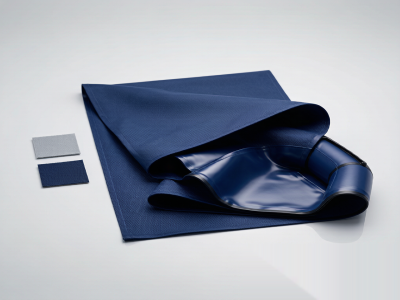
- Material: PVC-coated polyester fabric
- Tensile Strength: Custom (typically 2000-4000 N/5cm)
- Tear Strength: Custom (typically 200-500 N)
- Adhesion: Custom (coating adhesion to substrate)
- Flame Retardancy: Custom (meets various standards)
Parameter Analysis
The performance of PVC sunshade film is determined by its key parameters. The weight and thickness affect the film’s rigidity and light-blocking capability, with heavier films offering better stability and opacity. Tensile and tear strengths indicate the material’s ability to withstand mechanical stress, ensuring long service life in windy conditions. Adhesion ensures the coating remains bonded to the fabric, preventing delamination. Flame retardancy is crucial for safety in public and commercial installations.
Application Scenarios
PVC sunshade film is widely used in:
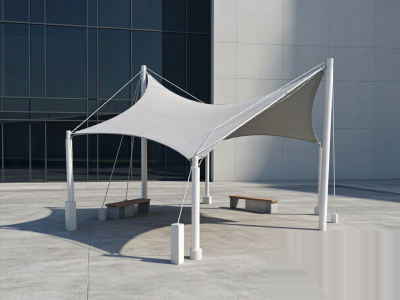
- Outdoor canopies and awnings
- Car parking shades
- Agricultural greenhouses
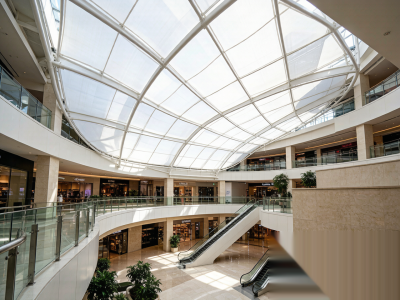
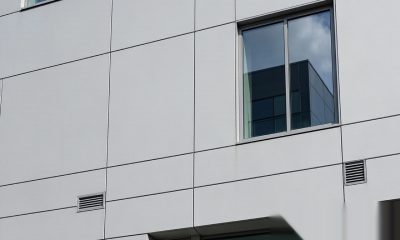
- Facade shading systems
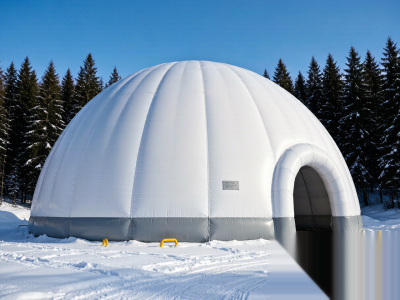
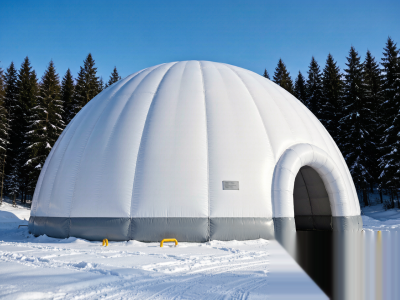
- Temporary shelters and event tents
- Patio and garden covers
Installation Guide
Proper installation is essential for optimal performance. The film should be stretched evenly over a sturdy frame, with appropriate tension to prevent sagging. Use corrosion-resistant fasteners or welding techniques as per the manufacturer’s guidelines. Ensure adequate drainage and ventilation to avoid water pooling and reduce wind uplift.
Usage Method
Once installed, PVC sunshade film requires minimal intervention. It can be left in place year-round, but in areas with heavy snow or extreme weather, it is advisable to remove or reinforce the structure. Regular inspection for any signs of wear or damage is recommended.
Maintenance Advice
Clean the film periodically with mild soap and water to remove dirt and debris. Avoid using abrasive tools or harsh chemicals that could damage the coating. Inspect seams and edges for any signs of separation or fraying.
Repair Tips
Small punctures or tears can be repaired using a PVC repair kit, which typically includes adhesive and a patch. Clean the area, apply the adhesive, and press the patch firmly. For larger damages, consult a professional or consider replacing the affected section.
Procurement Advice
When purchasing PVC sunshade film, consider the specific requirements of your project, such as size, color, and performance standards. Request samples to evaluate quality and ensure the material meets your expectations. Verify the supplier’s certifications and track record.
Packaging List
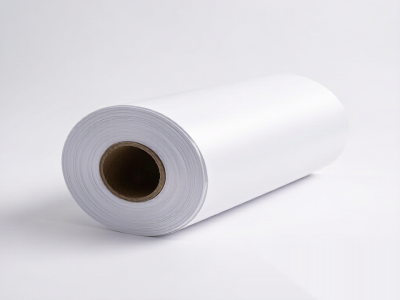
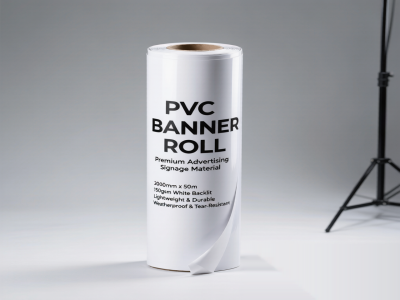
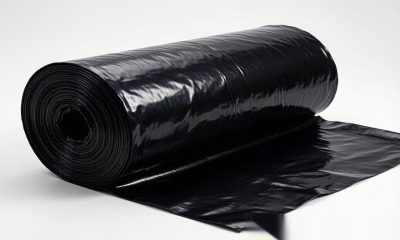
Typically, PVC sunshade film is supplied in rolls, wrapped in protective packaging to prevent damage during transit. Each roll may include a core and end caps. Custom packaging options are available upon request.
FAQ
Q1: What is the typical lifespan of PVC sunshade film?
A: With proper installation and maintenance, PVC sunshade film can last 5-10 years, depending on environmental conditions.
Q2: Can the film be printed on?
A: Yes, PVC sunshade film can be printed with UV-resistant inks for branding or decorative purposes.
Q3: Is the film recyclable?
A: PVC materials are recyclable, but the recycling process may require specialized facilities. Check with local recycling programs.
Q4: How do I choose the right thickness?
A: Thickness depends on the application. For permanent structures, a thicker film is recommended for durability; for temporary use, a lighter film may suffice.
Q5: Does the film provide UV protection?
A: Yes, PVC sunshade film is designed to block a significant portion of UV radiation, protecting people and objects underneath.