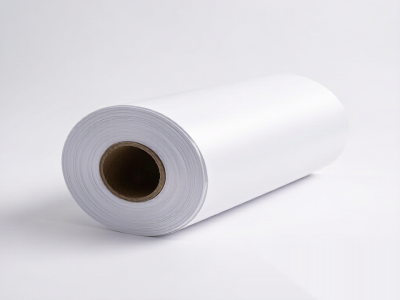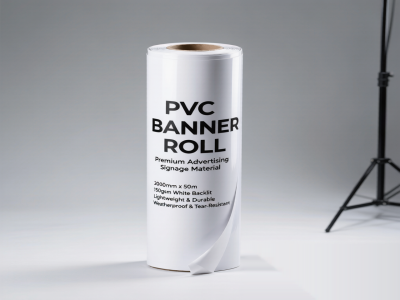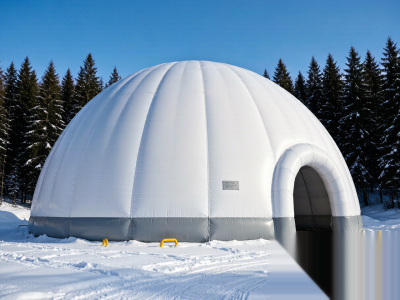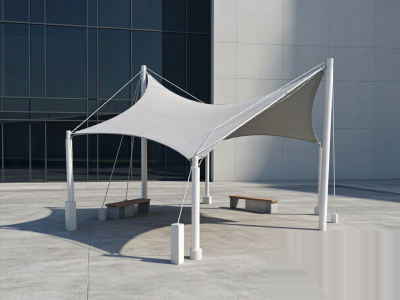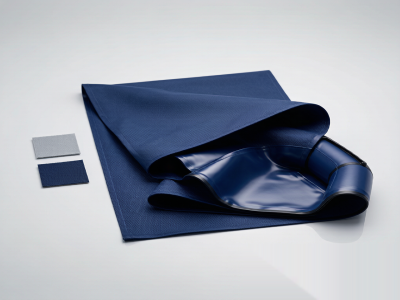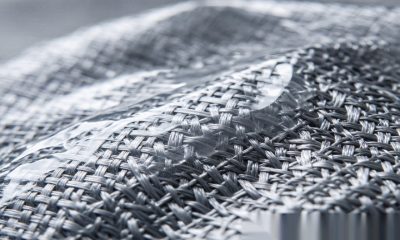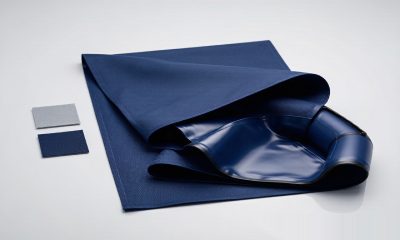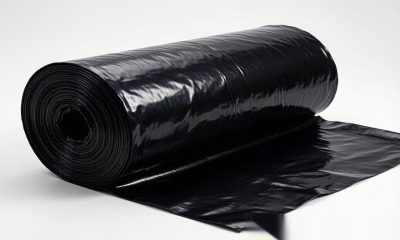
PVC duct fabric is a specialized coated fabric engineered for the production of flexible air ducts, ventilation hoses, and extraction ducting. It is designed for use in industrial ventilation, dust collection, fume exhaust, and HVAC applications where durability, airtightness, and resistance to chemicals and abrasion are critical. The fabric combines a high-tenacity polyester scrim with a PVC coating, delivering a robust yet flexible material that can be fabricated into spiral or reinforced ducts. This product offers an optimal balance of mechanical strength, flexibility, and cost-effectiveness, making it a trusted choice for duct manufacturers and system integrators worldwide.
Pvc Duct Fabric For Flexible Air Ducts PVC Duct Fabric
Product Overview / Key Features
PVC duct fabric is manufactured by coating a woven polyester base cloth with polyvinyl chloride (PVC) resin, often with added plasticizers, stabilizers, and flame-retardant additives. The result is a material that provides:
- High tensile strength – the polyester scrim provides excellent tear and tensile resistance, ensuring ducting can withstand internal pressure and mechanical stress.
- Flexibility – the PVC coating remains flexible over a wide temperature range, allowing ducts to bend and flex without cracking.
- Airtightness – the coating minimizes air leakage, improving system efficiency.
- Chemical resistance – resists many acids, alkalis, and solvents, making it suitable for fume extraction.
- Flame retardancy – can be formulated to meet various fire safety standards (e.g., UL94, DIN 4102, or FM 4922) depending on the additive package.
- UV resistance – with appropriate UV stabilizers, the fabric can withstand outdoor exposure.
- Easy fabrication – can be cut, welded, and bonded using high-frequency welding or heat sealing.
Technical Specifications
| Property | Value |
|---|---|
| Weight | Custom (typically 500–1000 g/m²) |
| Width | Custom (typically 1.0–2.5 m) |
| Thickness | Custom (typically 0.3–1.0 mm) |
| Color | Custom (commonly grey, black, white, or blue) |
| Material | PVC-coated polyester fabric |
| Tensile strength | Custom (typically 1000–3000 N/5cm) |
| Tear strength | Custom (typically 100–400 N) |
| Adhesion | Custom (typically > 50 N/5cm) |
| Flame retardancy | Custom (e.g., UL94 V-0, FM 4922, or DIN 4102 B1) |
Parameter / Performance Notes
The performance of PVC duct fabric is highly dependent on the specific formulation and construction. For instance, tensile and tear strengths are influenced by the denier and weave of the polyester scrim, while the coating weight and plasticizer content affect flexibility and low-temperature behavior. Flame retardancy is achieved through the addition of antimony trioxide or other synergists, and the fabric can be engineered to meet specific standards such as UL94 V-0 or FM 4922. UV resistance is enhanced with UV absorbers and hindered amine light stabilizers (HALS). It is important to note that actual performance values must be confirmed through testing of the specific grade you select; our technical team can provide detailed datasheets and guidance.
Application Scenarios
PVC duct fabric is used to manufacture flexible ducts for a wide range of applications:
- Industrial ventilation – for fresh air supply and exhaust in factories, warehouses, and workshops.
- Dust extraction – in woodworking, metalworking, and food processing facilities.
- Fume exhaust – for welding, chemical, and laboratory fume extraction systems.
- HVAC systems – in commercial and residential buildings for air distribution.
- Agricultural ventilation – for greenhouses and livestock buildings.
- Mining and tunneling – for forced ventilation in underground operations.
Customization & OEM/ODM
We offer comprehensive customization options to meet your specific ducting requirements. You can choose from a range of colors, widths, weights, and thicknesses. We also support custom printing and logo application, as well as specialized packaging for rolls. Our OEM/ODM services allow you to develop a fabric tailored to your performance needs, including custom flame retardancy, UV resistance, or antistatic properties. Please contact us to discuss your project details and our technical team will assist you in selecting the optimal specification.
FAQ
What is the typical lead time for PVC duct fabric?
Lead times vary depending on the specification and order quantity. For standard products, we typically ship within 2–4 weeks. For custom formulations, please allow additional time. Contact us for current lead times.
What is the minimum order quantity (MOQ)?
Our MOQ depends on the specific product and customization. For standard fabrics, MOQ is typically 500–1000 square meters. For custom colors or special additives, MOQ may be higher. Please inquire for details.
Can you provide samples for testing?
Yes, we can provide samples for your evaluation. Please contact us with your requirements, and we will arrange for samples to be sent.
Is PVC duct fabric resistant to UV and outdoor weather?
Standard PVC duct fabric may degrade under prolonged UV exposure. However, we can add UV stabilizers to improve outdoor durability. If your application involves outdoor use, please specify this so we can recommend the appropriate formulation.
What temperature range can PVC duct fabric withstand?
PVC duct fabric typically operates in a temperature range of -20°C to +70°C, but this can vary based on the plasticizer system. For extreme temperatures, we can offer special formulations. Contact us for specific temperature requirements.