Technical Textile Manufacturing Advanced Coated Composite Fabrics By Kezhibo Technical Textile Manufacturing: Advanced Coated & Composite Fabrics by Kezhibo
Welcome to Kezhibo New Materials, a leader in technical textile manufacturing. Our advanced coated and composite fabrics are engineered to meet the rigorous demands of modern industry. This article provides a comprehensive overview of our technical textile manufacturing capabilities, product parameters, applications, and best practices for use and maintenance.
Product Introduction
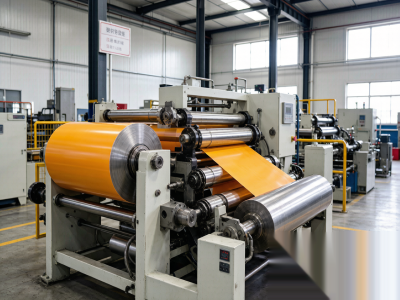
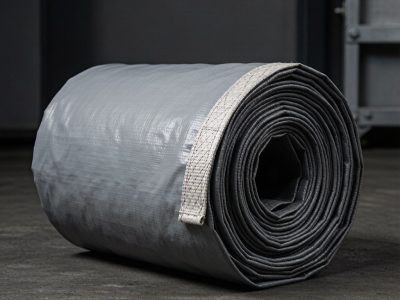
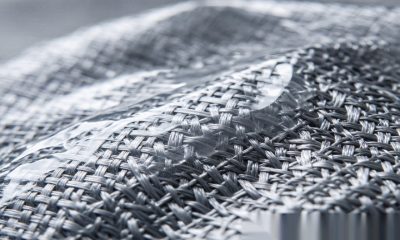
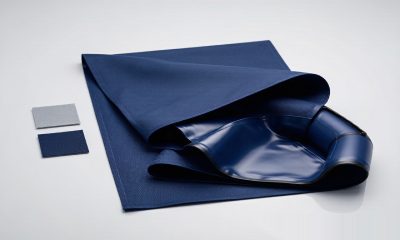
Technical textile manufacturing involves the production of fabrics with specific functional properties, such as durability, resistance to environmental factors, and enhanced mechanical strength. At Kezhibo, we specialize in coating and laminating processes that transform base textiles into high-performance materials. Our product range includes fabrics for protective clothing, industrial covers, architectural membranes, and more. Each product is the result of meticulous technical textile manufacturing, ensuring consistent quality and reliability.
Technical Parameters
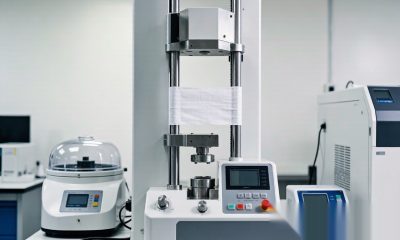
While specific parameters vary by product, our technical textile manufacturing process focuses on key performance indicators. Below are typical parameters for our coated and composite fabrics. For exact specifications, please consult our technical datasheets.
| Parameter | Typical Value |
|———–|—————|
| Weight | 200 – 2000 g/m² |
| Width | Up to 300 cm |
| Thickness | 0.2 – 2.0 mm |
| Color | Custom (e.g., black, white, olive) |
| Material | Polyester, nylon, fiberglass, etc. |
| Tensile Strength | 500 – 3000 N/5cm |
| Tear Strength | 50 – 300 N |
| Adhesion | > 2 N/cm |
| Flame Retardancy | Meets various standards (e.g., NFPA 701, EN 13501) |
Parameter Analysis
Understanding these parameters is crucial for selecting the right fabric. Weight and thickness affect handling and flexibility. Tensile and tear strengths determine load-bearing capacity and resistance to damage. Adhesion indicates the bond strength between layers in laminated fabrics. Flame retardancy ensures safety in fire-risk environments. Our technical textile manufacturing allows for customization of these parameters to suit specific applications.
Application Scenarios
Our technical textile manufacturing serves diverse industries:
- Protective Clothing: Firefighter suits, chemical-resistant aprons, and high-visibility vests.
- Industrial Covers: Tarpaulins, truck covers, and silo liners.
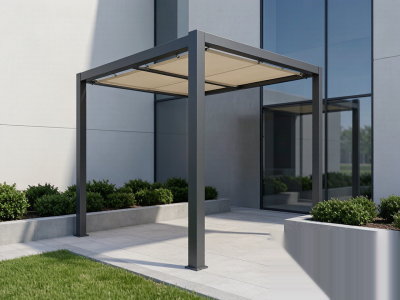
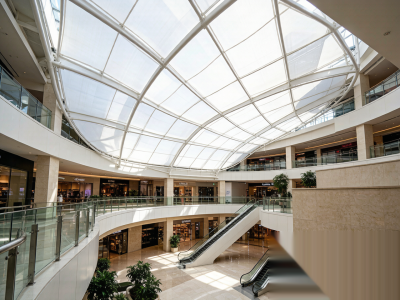
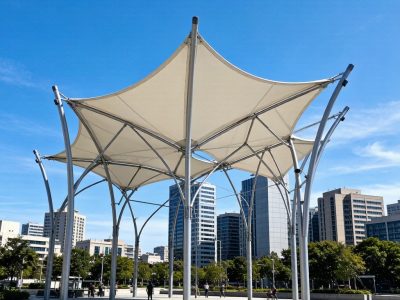
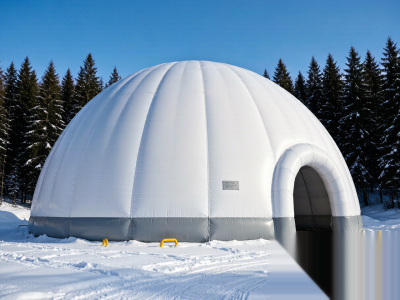
- Architectural Membranes: Tensile structures, awnings, and canopies.
- Transportation: Airbag fabrics, seat belts, and cargo restraints.
- Geotextiles: Erosion control, drainage, and soil reinforcement.
Installation Guide
Proper installation is key to maximizing fabric performance. Follow these general guidelines:
- Handling: Use appropriate lifting equipment for heavy rolls. Avoid dragging fabrics on rough surfaces.
- Cutting: Use sharp tools to prevent fraying. Seal cut edges if required.
- Joining: Use heat sealing, welding, or stitching as per product specifications. Ensure seam strength meets requirements.
- Fastening: Use corrosion-resistant hardware for securing fabrics in outdoor applications.
Usage Method
Incorporate our technical textiles into your operations with these tips:
- Protective Clothing: Ensure proper fit and closure to maintain barrier properties.
- Covers: Apply tension evenly to prevent stress concentration. Use bungee cords or straps with protective sleeves.
- Architectural Membranes: Follow structural engineering guidelines for tensioning and anchoring.
Maintenance Advice
Regular maintenance extends fabric life:
- Cleaning: Use mild soap and water. Avoid abrasive cleaners or high-pressure washers.
- Inspection: Check for tears, abrasions, or coating degradation periodically.
- Storage: Store in a cool, dry place away from direct sunlight and chemicals.
Repair Tips
Minor damage can be repaired:
- Tears: Use compatible repair tape or patches. For coated fabrics, apply adhesive and press firmly.
- Seams: Re-stitch or re-weld as needed.
- Coating Damage: Apply a compatible coating repair solution.
Procurement Advice
When ordering, provide detailed requirements: dimensions, color, strength, flame retardancy, and any certifications. Request samples for testing. Consider lead times and minimum order quantities. Our technical textile manufacturing team can assist with custom specifications.
Packaging List
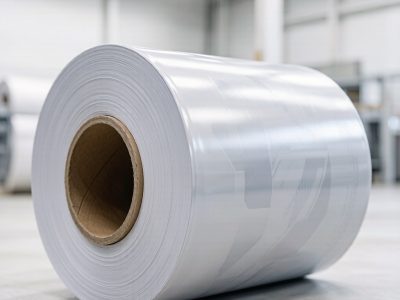
Each roll is packed with:
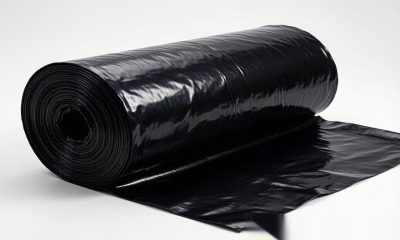
- Protective wrapping (e.g., polyethylene film)
- Core (cardboard or plastic)
- Label with product code, batch number, and specifications
- Packing list (if multiple rolls)
FAQ
Q1: What is the maximum width available?
A: Our standard widths range up to 300 cm, but custom widths are possible depending on the product.
Q2: Can you provide flame-retardant fabrics?
A: Yes, we offer flame-retardant options that meet various international standards.
Q3: Do you offer custom colors?
A: Yes, we can match custom colors based on your requirements.
Q4: What is the minimum order quantity?
A: MOQ varies by product; please contact us for details.
Q5: How should I store the fabric?
A: Store in a cool, dry place, away from direct sunlight and moisture, ideally on a roll to avoid creases.
For more information on technical textile manufacturing, contact our team today.