Impermeable Material High Performance Coated Fabric Impermeable Material – Product Overview
Welcome to Kezhibo New Materials’ comprehensive guide on our impermeable material. This advanced coated fabric is designed to provide an effective barrier against water, moisture, and many chemicals, making it a versatile solution across various industries. The impermeable material is engineered with precision to meet rigorous performance standards, ensuring durability and longevity in the most challenging environments.
Product Introduction
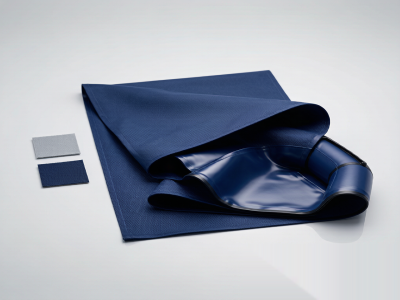
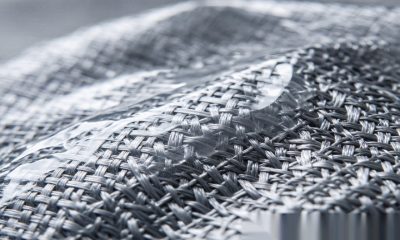
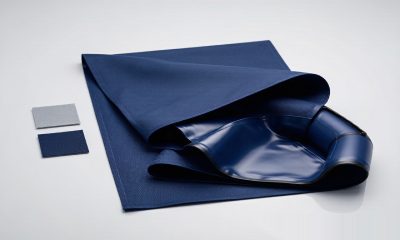
The impermeable material is a high-quality composite fabric that combines a robust base substrate with a specialized coating to achieve exceptional impermeability. This product is ideal for applications where preventing liquid penetration is critical. Whether used in protective covers, industrial liners, or containment systems, the impermeable material delivers consistent performance and peace of mind.
Technical Parameters
While specific parameters may vary based on custom requirements, the impermeable material typically exhibits the following characteristics:
- Weight: Custom (typically 200-1000 g/m²)
- Width: Custom (typically 1.5-3.0 m)
- Thickness: Custom (typically 0.2-2.0 mm)
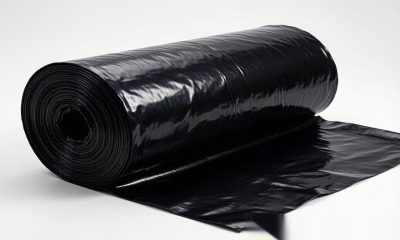
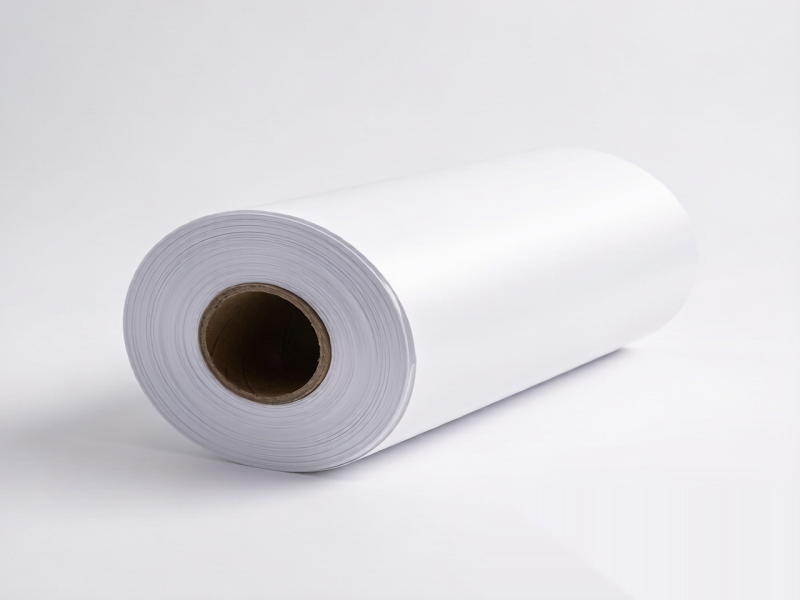
- Color: Custom (commonly black, white, or gray)
- Material: Coated polyester or nylon base fabric
- Tensile Strength: High (customizable)
- Tear Strength: High (customizable)
- Adhesion: Excellent coating-to-fabric bond
- Flame Resistance: Optional (available upon request)
Parameter Analysis
- Weight and Thickness: The weight and thickness of the impermeable material directly influence its flexibility and mechanical strength. Heavier and thicker variants offer enhanced puncture resistance, while lighter options provide easier handling and installation.
- Tensile and Tear Strength: These parameters are critical for applications where the material is subjected to stress. High tensile and tear strengths ensure the impermeable material can withstand pulling forces and resist tearing, extending its service life.
- Adhesion: The bond between the coating and the base fabric is essential for maintaining impermeability over time. Our manufacturing process ensures superior adhesion, preventing delamination even under repeated flexing.
- Flame Resistance: For environments with fire safety requirements, we offer flame-retardant options that meet relevant standards without compromising the material’s barrier properties.
Application Scenarios
The impermeable material is used in a wide range of scenarios, including:
- Protective Covers: For equipment, vehicles, and outdoor storage, shielding against rain and moisture.
- Industrial Liners: For ponds, reservoirs, and containment areas, preventing leakage and soil contamination.
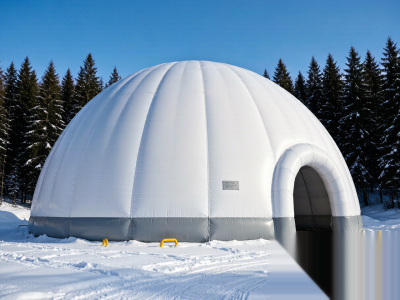
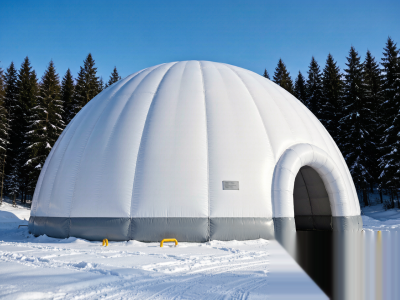
- Tents and Shelters: Providing weatherproofing for temporary or permanent structures.
- Agricultural Uses: As silage covers, greenhouse ground sheets, or irrigation canal liners.
- Transport: As tarpaulins for trucks and cargo, ensuring goods remain dry during transit.
Installation Guide
Proper installation is key to maximizing the performance of the impermeable material. Follow these general steps:
- Surface Preparation: Ensure the installation surface is clean, dry, and free of sharp objects that could puncture the material.
- Unrolling: Carefully unroll the material, avoiding dragging it over rough surfaces to prevent damage.
- Positioning: Position the material with the appropriate overlap at seams (typically 10-20 cm) to ensure a continuous barrier.
- Seaming: Use heat sealing, adhesive bonding, or mechanical fastening (as per application) to join sections securely.
- Anchoring: Secure the edges with weights, stakes, or other methods to prevent wind uplift or displacement.
Usage Method
- Handling: When handling the impermeable material, use proper lifting techniques and avoid sharp tools that could damage the coating.
- Cutting: Use sharp scissors or a utility knife for clean cuts. Mark the cutting line with a non-permanent marker to avoid leaving marks.
- Flexibility: The material remains flexible in a wide temperature range, but avoid excessive folding in extremely cold conditions to prevent cracking.
Maintenance Advice
- Cleaning: Regularly clean the surface with mild soap and water to remove dirt and debris. Avoid harsh chemicals that may degrade the coating.
- Inspection: Periodically inspect for signs of wear, punctures, or seam separation. Early detection allows for timely repairs.
- Storage: When not in use, store the impermeable material in a cool, dry place, folded or rolled, away from direct sunlight and extreme temperatures.
Repair Tips
- Puncture Repair: For small punctures, clean the area and apply a patch of the same material using a compatible adhesive or heat welding.
- Seam Repair: If seams begin to separate, re-seal them using the appropriate method (heat, adhesive, or tape).
- Tears: For larger tears, consider replacing the damaged section or reinforcing with a larger patch on both sides.
Procurement Advice
- Specify Requirements: Clearly define your required weight, width, color, and any special properties (e.g., flame resistance) when ordering.
- Request Samples: Always request a sample to test the material’s suitability for your specific application before bulk purchase.
- Consider Lead Time: Custom production may require additional lead time; plan your procurement accordingly.
Packaging List
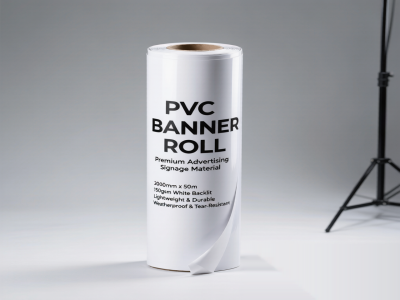
Each roll of impermeable material is packaged to ensure safe transport and storage. Standard packaging includes:
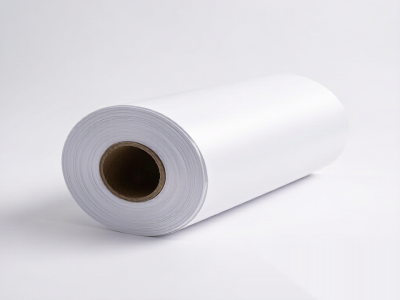
- Core: A sturdy cardboard or plastic core for rolling.
- Wrapping: Protective polyethylene film to shield against moisture and dirt.
- Labeling: A label indicating product name, dimensions, and batch number.
FAQ
Q1: What is the maximum width available?
A: The width is customizable, typically up to 3.0 meters. For wider requirements, please contact us for feasibility.
Q2: Can this material be used for potable water applications?
A: Our standard impermeable material is not certified for potable water contact. For such applications, we recommend a food-grade variant; please consult our team.
Q3: How do I clean the material without damaging it?
A: Use a soft brush or cloth with mild detergent and water. Avoid abrasive cleaners or high-pressure washers.
Q4: Is the material UV resistant?
A: UV resistance depends on the coating formulation. We offer UV-stabilized options for prolonged outdoor exposure.
Q5: What is the minimum order quantity?
A: Minimum order quantity varies by specification. Please contact our sales team for details.
For further information or to place an order, please reach out to Kezhibo New Materials. Our experts are ready to assist you in selecting the ideal impermeable material for your needs.