PVC Advertising Banner Fabric
Product Introduction
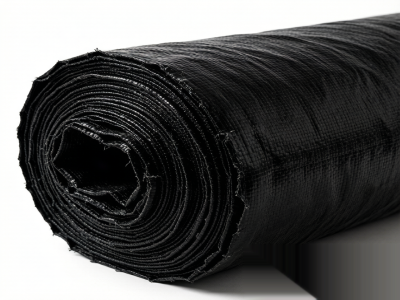
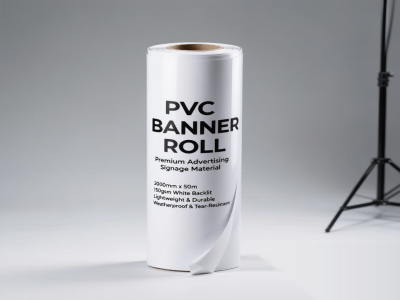
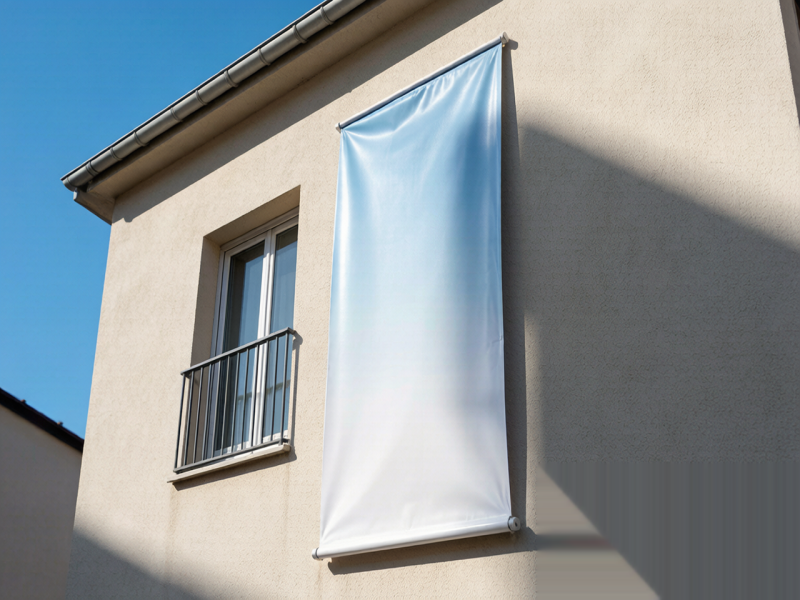
PVC advertising banner fabric is a high-performance material widely used for banners, posters, and signage. It is manufactured by coating a polyester scrim with polyvinyl chloride (PVC) on both sides, resulting in a strong, flexible, and weather-resistant fabric. This fabric is ideal for both indoor and outdoor applications, offering excellent printability and durability.
Technical Parameters
- Weight: 440gsm (typical)
- Width: 1.0m to 3.2m (customizable)
- Thickness: 0.28mm (typical)
- Color: White, black, blue, or custom
- Material: PVC-coated polyester scrim
- Tensile Strength: Warp ≥ 2000N/5cm, Weft ≥ 1800N/5cm (typical)
- Tear Strength: ≥ 120N (typical)
- Adhesion: ≥ 30N/5cm (typical)
- Flame Retardant: Optional, meets various standards
Parameter Analysis
- Weight and Thickness: The 440gsm weight and 0.28mm thickness provide a good balance between strength and flexibility, making the fabric easy to handle and install while ensuring durability.
- Tensile and Tear Strength: High tensile and tear strength ensure the fabric can withstand wind loads and mechanical stress during installation and use.
- Adhesion: Strong adhesion between the PVC coating and the polyester scrim prevents delamination, ensuring long-term performance.
- Flame Retardant: Optional flame-retardant treatment enhances safety for indoor applications where fire codes require compliance.
Application Scenarios
PVC advertising banner fabric is used for:
- Outdoor banners and billboards
- Indoor promotional displays
- Trade show graphics
- Event backdrops
- Retail signage
- Construction site hoardings
Installation Guide
- Prepare the surface: Ensure the mounting surface is clean and dry.
- Position the banner: Lay the banner flat and align it correctly.
- Secure the edges: Use ropes, bungee cords, or zip ties through reinforced eyelets (if available) or use adhesive tapes for temporary installations.
- Tension the fabric: For large banners, use a tensioning system to avoid sagging.
Usage Method
- Printing: Use solvent, eco-solvent, or UV inkjet printers. Ensure the fabric is properly loaded and the print settings match the material.
- Cutting: Use a sharp blade or scissors. For straight cuts, a straightedge is recommended.
- Seaming: For large banners, heat welding or high-frequency welding can be used to join pieces seamlessly.
Maintenance Advice
- Clean with mild soap and water using a soft cloth or sponge. Avoid abrasive cleaners.
- Rinse thoroughly and let it air dry.
- Store in a cool, dry place away from direct sunlight when not in use.
- For outdoor banners, periodic inspection for damage is recommended.
Repair Tips
- For small tears or punctures, use a PVC repair kit or adhesive patch.
- For larger damages, consider re-sewing or heat-welding a patch over the affected area.
- Ensure the repair area is clean and dry before applying any adhesive.
Procurement Advice
- Determine the required size and quantity based on your project.
- Specify the desired weight, width, and any special treatments (e.g., flame retardant).
- Request samples to verify print quality and fabric feel.
- Consider the supplier’s lead time and shipping costs.
Packaging List
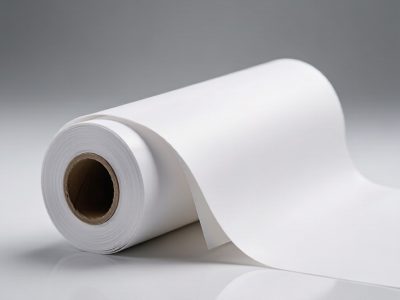
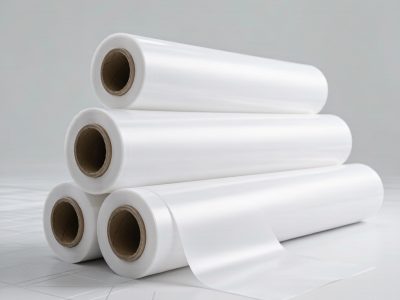
- Each roll of PVC advertising banner fabric is wrapped in protective film.
- Rolls are packaged in sturdy cartons or on pallets for safe transport.
- Include a packing list with roll number, width, length, and net weight.
FAQ
Q1: Can this fabric be used for outdoor banners?
A1: Yes, PVC advertising banner fabric is designed for outdoor use, with UV resistance and waterproof properties.
Q2: What printing methods are compatible?
A2: It is compatible with solvent, eco-solvent, UV, and latex printing.
Q3: How do I clean the banner?
A3: Use mild soap and water, and avoid harsh chemicals.
Q4: Can I get custom sizes?
A4: Yes, we offer custom widths and lengths to meet your specific needs.
Q5: Is the fabric flame retardant?
A5: Flame retardant options are available upon request.