PVC Banner Fabric
Product Introduction
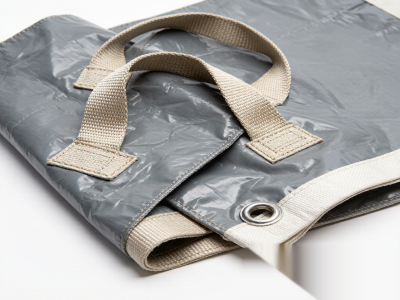
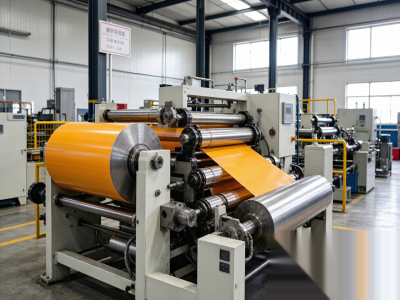
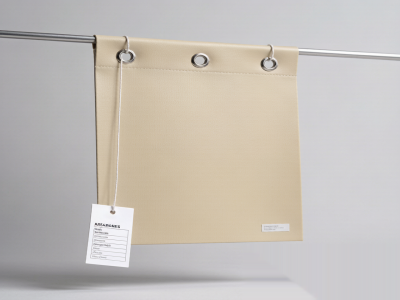
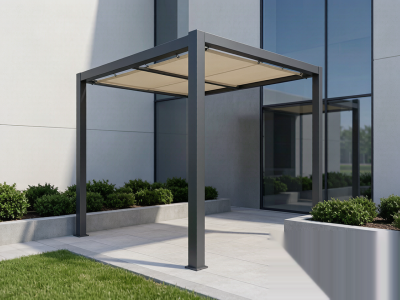
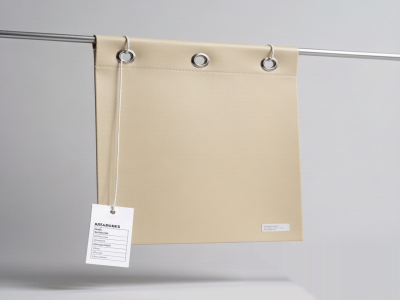
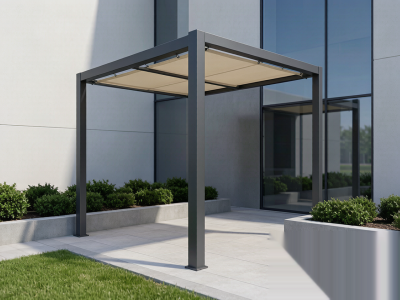
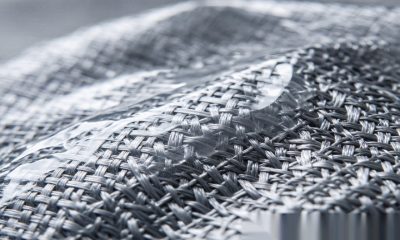
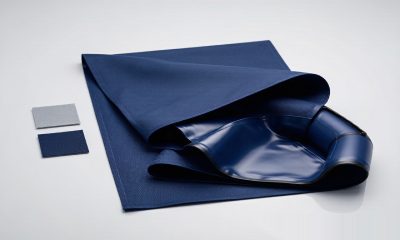
PVC banner fabric is a robust, flexible material widely used in the production of banners, signs, and displays. It consists of a polyester scrim sandwiched between two layers of polyvinyl chloride (PVC), offering excellent strength, durability, and weather resistance. This fabric is designed to withstand harsh outdoor conditions, making it a preferred choice for advertising and promotional applications.
Technical Parameters
While specific values may vary by grade, typical parameters for PVC banner fabric include:
- Weight: 440–550 g/m²
- Width: 1.0–3.2 m
- Thickness: 0.3–0.5 mm
- Color: White, black, or custom
- Material: PVC-coated polyester
- Tensile Strength: Warp ≥ 2000 N/5cm, Weft ≥ 1800 N/5cm
- Tear Strength: Warp ≥ 150 N, Weft ≥ 120 N
- Adhesion: ≥ 80 N/5cm
- Flame Retardancy: Meets relevant standards (e.g., NFPA 701, DIN 4102 B1)
Parameter Analysis
The parameters of PVC banner fabric directly influence its performance. Higher weight and thickness provide better tear resistance and opacity, making the fabric suitable for large-format banners. Tensile strength ensures the fabric can withstand tension during installation and wind loads. Adhesion strength indicates the bond between the PVC layers and the scrim, which is critical for long-term durability. Flame retardancy is essential for indoor and public-space applications to comply with safety regulations.
Application Scenarios
PVC banner fabric is used in a variety of settings:
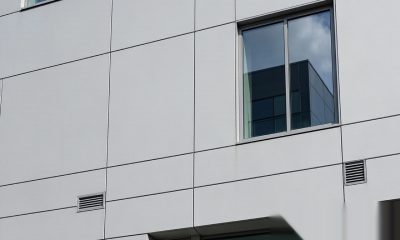
- Outdoor advertising: billboards, building wraps, and street banners.
- Indoor promotions: exhibition stands, point-of-sale displays, and event backdrops.
- Retail: hanging banners and shelf talkers.
- Construction: safety netting and scaffolding covers.
- Agriculture: silage covers and greenhouse shading.
Installation Guide
Proper installation ensures the longevity and appearance of PVC banner fabric. Follow these steps:
- Prepare the surface: Ensure the mounting structure is clean, dry, and free of sharp edges.
- Position the banner: Align the fabric correctly, allowing for tensioning.
- Secure the edges: Use ropes, bungee cords, or Velcro straps through reinforced eyelets or hemmed edges.
- Tension evenly: Apply uniform tension to avoid wrinkles and sagging.
- Check for safety: Verify that all fixings are secure and that the banner does not obstruct ventilation or access.
Usage Method
PVC banner fabric can be printed using solvent, eco-solvent, UV, or latex inks. For best results:
- Ensure the fabric is clean and dry before printing.
- Use appropriate printer settings for the fabric’s coating.
- Allow the ink to fully cure before handling or installing.
- For cutting or sewing, use sharp tools and suitable threads.
Maintenance Advice
To extend the life of PVC banner fabric:
- Clean with mild soap and water; avoid harsh chemicals.
- Rinse thoroughly to remove soap residue.
- Store in a cool, dry place away from direct sunlight when not in use.
- Inspect regularly for signs of wear, especially at stress points.
Repair Tips
Minor damages can be repaired:
- For small tears, use a PVC repair kit or strong adhesive tape.
- For larger rips, patch with a piece of the same fabric and adhesive.
- Reinforce repaired areas with extra stitching if needed.
- If the damage is extensive, consider replacing the banner.
Procurement Advice
When purchasing PVC banner fabric, consider:
- Application: Choose the appropriate weight and thickness for your use case.
- Printability: Ensure the fabric is compatible with your printing technology.
- Compliance: Check flame retardancy and other certifications required for your region.
- Supplier: Select a reputable manufacturer like Kezhibo New Materials for consistent quality.
Packaging List
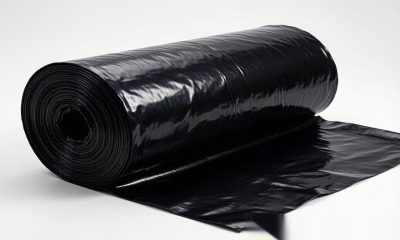
Typically, PVC banner fabric is supplied in rolls. Each roll is wrapped in protective film and may include a cardboard core. The packaging list usually specifies:
- Roll length (e.g., 50 m or 100 m)
- Roll width
- Net weight
- Number of rolls per carton
- Handling instructions
FAQ
Q1: Can PVC banner fabric be used outdoors?
A1: Yes, it is designed for outdoor use and is weather-resistant, but prolonged exposure to UV rays may cause fading over time.
Q2: How do I clean PVC banner fabric?
A2: Use a soft brush or cloth with mild soap and water. Avoid abrasive cleaners that can damage the surface.
Q3: Is PVC banner fabric recyclable?
A3: Some PVC materials are recyclable, but check with local recycling facilities for specific guidelines.
Q4: Can I sew PVC banner fabric?
A4: Yes, it can be sewn using heavy-duty needles and polyester thread. Alternatively, use heat welding for stronger seams.
Q5: What is the typical lifespan of PVC banner fabric?
A5: With proper care, it can last from 1 to 3 years outdoors, depending on environmental conditions.