Pvc Mesh Reflective Fabric High Visibility Coated Mesh For Safety Industrial Use PVC Mesh Reflective Fabric – Product Overview
Product Introduction
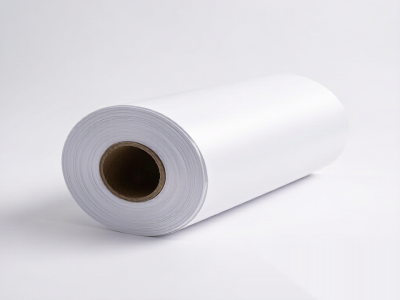
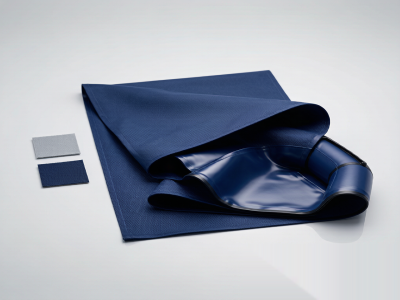
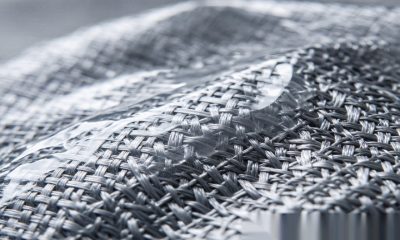
PVC mesh reflective fabric is a specialized composite material that combines the strength and flexibility of PVC-coated polyester mesh with retroreflective properties. This fabric is designed to enhance visibility in low-light conditions, making it ideal for safety apparel, traffic cones, barrier nets, and industrial covers. The reflective coating is applied to the mesh surface, providing high-intensity reflection when illuminated by headlights or other light sources.
Technical Parameters
While specific values may vary by manufacturer, typical parameters for PVC mesh reflective fabric include:
- Weight: 250–500 g/m² (customizable)
- Width: 1.0–2.5 meters
- Thickness: 0.3–0.8 mm
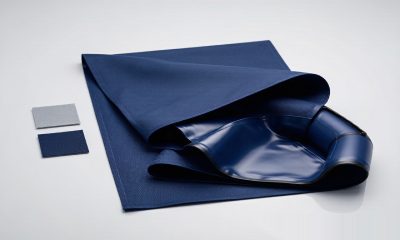
- Color: Silver, white, yellow, orange, or custom
- Material: PVC-coated polyester mesh with reflective film
- Tensile Strength: 500–1500 N/5cm (warp and weft)
- Tear Strength: 50–200 N
- Adhesion: ≥ 30 N/5cm (coating to base fabric)
- Flame Retardancy: Meets various standards (e.g., BS 5438, EN 13501)
Parameter Analysis
- Weight & Thickness: Heavier and thicker fabrics offer greater durability and tear resistance, suitable for heavy-duty applications like truck covers. Lighter versions are more flexible and easier to handle for temporary barriers.
- Tensile & Tear Strength: High tensile strength ensures the fabric can withstand wind loads and mechanical stress. Tear resistance prevents rips from propagating, crucial for safety nets.
- Adhesion: Strong adhesion between the PVC coating and the mesh base prevents delamination, extending the product’s lifespan.
- Flame Retardancy: This property is critical for applications where fire safety is a concern, such as in public spaces or industrial settings.
Application Scenarios
PVC mesh reflective fabric is widely used in:
- Traffic Safety: Reflective barrier nets, traffic cones, and warning tapes.
- Industrial Safety: High-visibility vests, safety curtains, and machine guards.
- Outdoor Covers: Truck tarpaulins, boat covers, and equipment protection.
- Construction: Scaffolding netting with reflective strips for nighttime visibility.
- Events & Crowd Control: Temporary fencing and barriers.
Installation Guide
- Measure and Cut: Measure the required dimensions and cut the fabric using sharp scissors or a utility knife.
- Positioning: Place the fabric so that the reflective side faces the direction of incoming light (e.g., toward traffic).
- Fixing: Use grommets, ropes, or hook-and-loop fasteners to secure the fabric. For permanent installations, use stainless steel fasteners to avoid corrosion.
- Overlap: When joining multiple pieces, overlap edges by at least 5 cm and use double-stitching or heat sealing for a strong bond.
Usage Method
- Ensure the reflective surface is clean and free of dust or grease to maintain maximum reflectivity.
- For safety apparel, the fabric should be worn over other clothing and not obstruct movement.
- In static applications, check that the fabric is taut to prevent flapping, which can cause wear.
Maintenance Advice
- Clean the fabric regularly with mild soap and water. Avoid abrasive cleaners that can scratch the reflective coating.
- Rinse thoroughly and air dry. Do not machine dry or iron.
- Store in a cool, dry place away from direct sunlight when not in use to prevent UV degradation.
- Inspect periodically for tears or peeling of the reflective layer; repair or replace as needed.
Repair Tips
- For small tears, use a PVC repair kit or patch with a heat gun to weld a piece of PVC mesh over the damaged area.
- If the reflective layer is peeling, apply a clear adhesive designed for PVC to reattach it.
- For major damage, replace the entire section to ensure safety integrity.
Procurement Advice
- Specify the required tensile strength, flame retardancy, and reflective performance (e.g., retroreflective coefficient) to the supplier.
- Request samples to test the fabric under your specific conditions.
- Verify that the fabric meets relevant safety standards (e.g., EN 471 for high-visibility clothing).
- Consider UV resistance if the fabric will be used outdoors for extended periods.
Packaging List
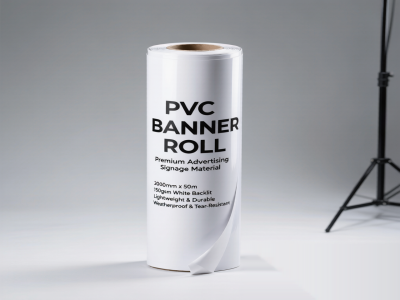
- PVC mesh reflective fabric rolls (as ordered)
- Product data sheet and safety instructions
- Optional: Grommets, ropes, or installation accessories (if included)
FAQ
Q1: Is PVC mesh reflective fabric waterproof?
Yes, the PVC coating makes it waterproof, suitable for outdoor use.
Q2: Can it be printed on?
Yes, the PVC surface can be printed with logos or warnings using appropriate inks.
Q3: How long does the reflective property last?
With proper care, the reflective coating can last several years, but it may degrade with prolonged UV exposure.
Q4: Is it available in custom colors?
Yes, most manufacturers offer custom color options for both the mesh and the reflective coating.
Q5: Can it be welded or sewn?
Yes, it can be heat-welded or sewn with heavy-duty thread for joining pieces.