PVC Temporary Building Membrane
Product Introduction
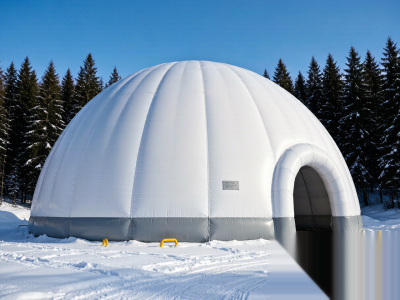
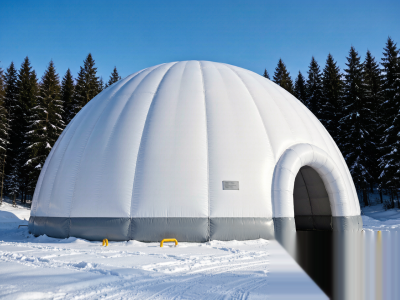
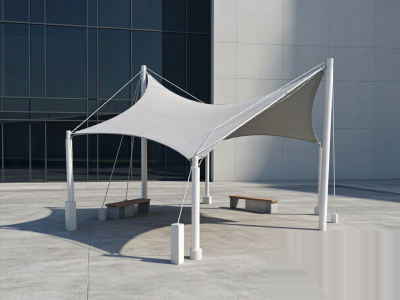
The PVC temporary building membrane is a high-performance coated fabric engineered for temporary and semi-permanent structures. It combines the flexibility of textile reinforcement with the durability of PVC coating, offering excellent weather resistance, UV stability, and mechanical strength. This membrane is ideal for applications such as event tents, industrial shelters, emergency housing, and construction enclosures. Its lightweight yet robust construction ensures easy handling and rapid installation, making it a preferred choice for projects requiring quick deployment and reliable protection.
Technical Parameters
- Weight: 650-900 g/m² (customizable)
- Width: 1.5-3.0 m (customizable)
- Thickness: 0.5-1.2 mm (customizable)
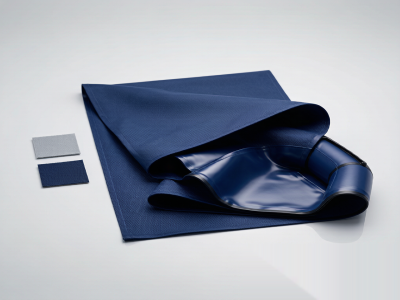
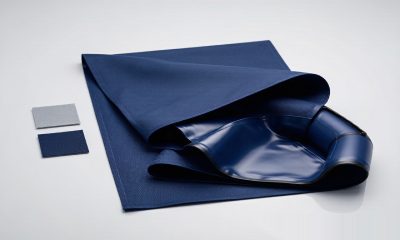
- Color: White, gray, blue, or custom
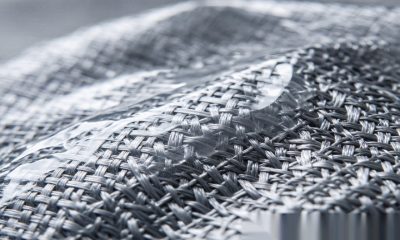
- Material: High-tenacity polyester scrim coated with PVC
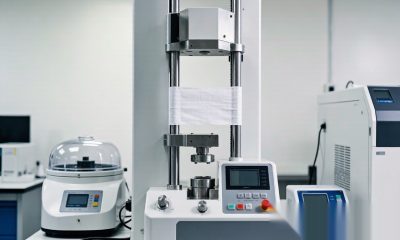
- Tensile Strength: 2000-3500 N/5cm (warp/weft)
- Tear Strength: 250-450 N (trapezoid method)
- Adhesion: ≥80 N/5cm (coating to fabric)
- Flame Retardancy: Meets EN 13501-1 Class B, NFPA 701
Parameter Analysis
The weight and thickness of the PVC temporary building membrane directly influence its mechanical performance and handling. A higher weight (e.g., 900 g/m²) provides enhanced tear and tensile strength, suitable for large-span structures exposed to heavy wind or snow loads. The tensile strength values indicate the maximum force the membrane can withstand before breaking, ensuring structural integrity under tension. Tear strength is critical for resisting propagation of cuts or punctures, which is vital in temporary applications where the membrane may be subject to rough handling. Adhesion between the PVC coating and the polyester scrim ensures long-term durability and prevents delamination. Flame retardancy is a key safety feature, complying with international standards for public and industrial use.
Application Scenarios
The PVC temporary building membrane is widely used in:
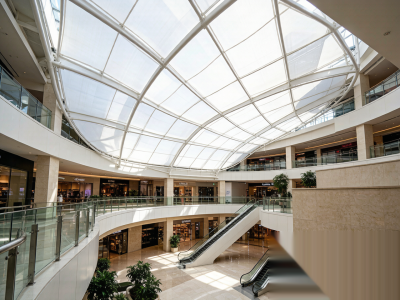
- Event and Exhibition Tents: Creating weatherproof, aesthetically pleasing spaces for gatherings.
- Industrial Warehouses and Workshops: Providing temporary or semi-permanent storage and work areas.
- Emergency and Relief Shelters: Rapid deployment for disaster response and humanitarian aid.
- Construction Site Enclosures: Protecting workers and materials from weather, dust, and noise.
- Agricultural Storage: Covering hay, grain, or equipment.
Installation Guide
Proper installation is crucial for the performance and longevity of the PVC temporary building membrane. Follow these general steps:
- Site Preparation: Ensure the ground is level and free of sharp objects. Lay a protective ground sheet if necessary.
- Frame Assembly: Erect the supporting structure (e.g., steel or aluminum frame) according to the manufacturer’s instructions.
- Membrane Unfolding: Carefully unroll the membrane and position it over the frame. Avoid dragging on rough surfaces to prevent abrasion.
- Securing: Use ropes, straps, or clamping systems to attach the membrane to the frame. Ensure even tension to avoid wrinkles and stress concentrations.
- Anchoring: Secure the structure to the ground with stakes, ballast, or tie-downs, especially in windy conditions.
- Inspection: Check all connections and seams for tightness and proper alignment.
Usage Method
Once installed, the PVC temporary building membrane requires minimal intervention. It is designed to withstand normal weather conditions, but regular checks are recommended:
- Ventilation: Ensure adequate ventilation to reduce condensation and heat buildup.
- Load Management: In snow or heavy rain, remove accumulated snow or water to prevent overloading.
- Access: Use designated entry points to minimize stress on the membrane.
Maintenance Advice
To extend the life of the PVC temporary building membrane:
- Cleaning: Clean with mild soap and water using a soft brush. Avoid abrasive cleaners or high-pressure washers that can damage the coating.
- Inspection: Periodically inspect for tears, punctures, or loose seams. Address minor issues promptly.
- Storage: When not in use, clean and dry the membrane completely before folding. Store in a cool, dry place away from direct sunlight.
- UV Protection: Although PVC is UV-stabilized, prolonged exposure can degrade the coating. Consider applying a UV-protective coating if the membrane is used for extended periods.
Repair Tips
Minor damage can be repaired on-site:
- Tears and Punctures: Use a PVC repair kit, which includes adhesive and a patch. Clean the area, apply adhesive, and press the patch firmly. Allow to cure as per instructions.
- Seam Separation: Re-sew or re-weld the seam using appropriate equipment or consult a professional.
- Coating Cracking: Apply a flexible PVC coating to restore the surface.
Procurement Advice
When purchasing a PVC temporary building membrane, consider the following:
- Specifications: Choose weight, thickness, and strength based on your specific application and local climate.
- Flame Retardancy: Verify that the membrane meets relevant fire safety standards for your region.
- Warranty and Support: Select a supplier that offers a warranty and technical support.
- Customization: If standard sizes do not fit, inquire about custom widths, lengths, or colors.
- Sample Testing: Request a sample to evaluate quality and performance before bulk ordering.
Packaging List
Each shipment typically includes:
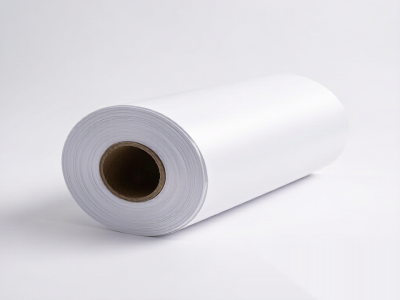
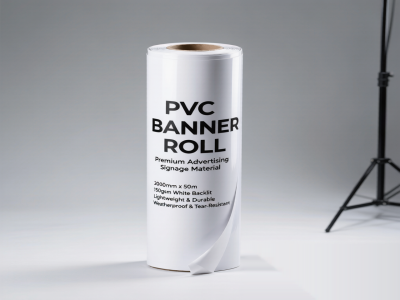
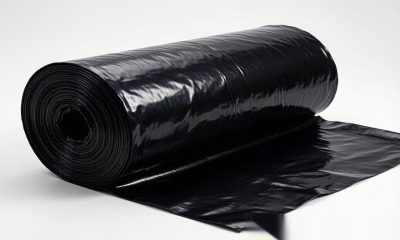
- 1 roll of PVC temporary building membrane (length as per order)
- Installation manual
- Repair patch kit (optional)
- Warranty certificate
FAQ
Q1: What is the lifespan of the PVC temporary building membrane?
A1: With proper care and maintenance, the membrane can last 5-10 years, depending on usage and environmental conditions.
Q2: Can the membrane be customized in size and color?
A2: Yes, we offer custom widths, lengths, and colors to meet your project requirements.
Q3: Is the membrane flame retardant?
A3: Yes, it meets international standards such as EN 13501-1 Class B and NFPA 701.
Q4: How should I clean the membrane?
A4: Use mild soap and water with a soft brush. Avoid harsh chemicals or pressure washing.
Q5: Can the membrane be repaired if damaged?
A5: Yes, minor tears and punctures can be repaired using a PVC repair kit. For major damage, consult a professional.