PVC Membrane Structural Sheet
Product Introduction
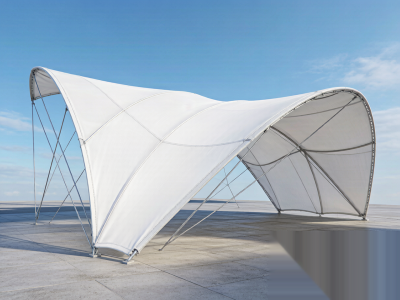
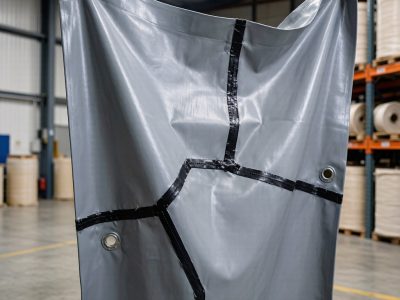
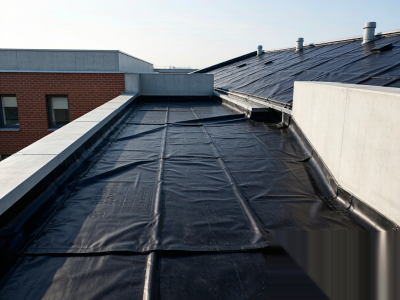
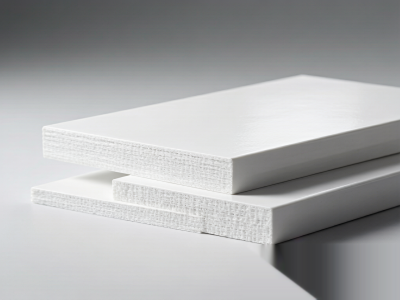
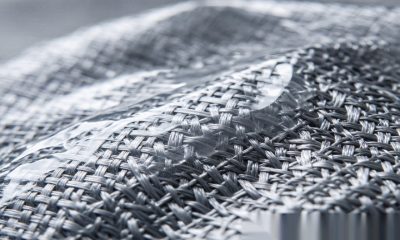
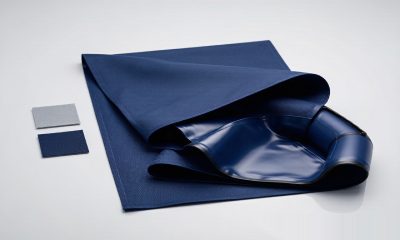
PVC membrane structural sheet is a high-performance architectural fabric designed for tensile membrane structures. It combines a polyester base fabric with a PVC coating, resulting in a material that is strong, flexible, and resistant to environmental factors. This product is widely used in modern architecture for roofs, canopies, and facades, offering both aesthetic appeal and structural reliability.
Technical Parameters
- Weight: 800-1500 g/m² (customizable)
- Width: 1.5-3.0 meters
- Thickness: 0.5-1.5 mm
- Color: White, gray, or custom colors
- Material: Polyester fabric with PVC coating
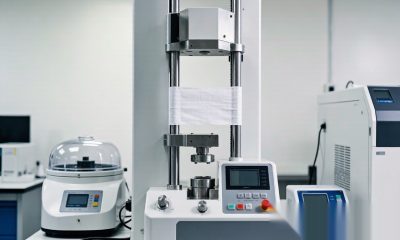
- Tensile Strength: High (warp and weft)
- Tear Strength: High
- Adhesion: Excellent between layers
- Flame Retardancy: Meets common standards (e.g., B1, M2)
Parameter Analysis
The performance of PVC membrane structural sheet is determined by several key parameters. The weight and thickness affect the material’s strength and durability. A higher weight typically indicates a thicker, more robust membrane. Tensile and tear strengths are critical for structural integrity, ensuring the membrane can withstand wind loads and other stresses. Adhesion quality ensures the coating remains bonded to the fabric, preventing delamination. Flame retardancy is essential for safety compliance in public buildings.
Application Scenarios
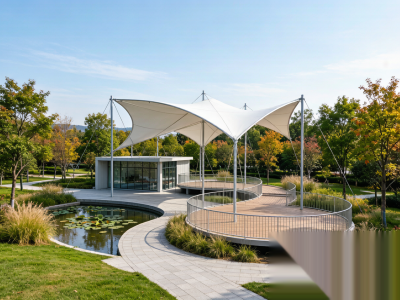
PVC membrane structural sheet is used in a variety of architectural applications, including:
- Stadium roofs and arenas
- Canopies and walkway covers
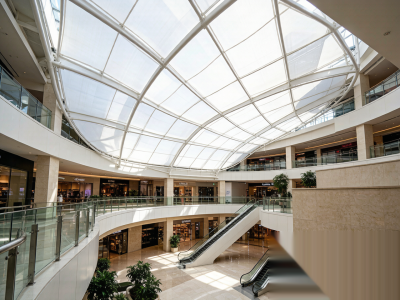
- Atrium roofs and skylights
- Outdoor amphitheaters
- Parking structures
- Industrial warehouses
Its ability to span large distances with minimal support makes it ideal for creating striking, lightweight structures.
Installation Guide
Proper installation is crucial for the performance and longevity of PVC membrane structural sheet. The following steps are typical:
- Site Preparation: Ensure the supporting structure is level and secure.
- Unfolding: Carefully unfold the membrane on a clean, flat surface to avoid creases.
- Positioning: Lift the membrane into place using cranes or other equipment, aligning it with the support points.
- Tensioning: Gradually tension the membrane to the specified level to achieve the desired shape and stability.
- Fastening: Secure the edges using appropriate clamping or bolting systems.
Always follow the engineering drawings and manufacturer’s recommendations.
Usage Method
Once installed, PVC membrane structural sheet requires minimal intervention. It is designed to withstand various weather conditions, including rain, snow, and UV exposure. The membrane should be kept free of debris and sharp objects that could cause punctures.
Maintenance Advice
Regular maintenance helps extend the lifespan of the membrane:
- Cleaning: Wash with mild soap and water using a soft brush or low-pressure washer. Avoid abrasive cleaners.
- Inspection: Periodically check for signs of wear, loose fastenings, or damage.
- Scheduled Checks: Perform a thorough inspection at least twice a year, especially after severe weather.
Repair Tips
If the membrane is damaged, prompt repair is essential:
- Small punctures: Use a PVC repair patch and adhesive, following the manufacturer’s instructions.
- Tears: For larger tears, consult a professional to assess whether patching or replacement is needed.
- Edge damage: Reinforce edges with additional welding or clamping.
Always use compatible materials to ensure a durable repair.
Procurement Advice
When sourcing PVC membrane structural sheet, consider the following:
- Quality: Ensure the product meets relevant standards for strength, flame retardancy, and UV resistance.
- Customization: Verify that the manufacturer can supply the required width, color, and other specifications.
- Supplier Reputation: Choose a supplier with a proven track record in architectural membranes.
- Warranty: Check the warranty terms for the membrane’s expected lifespan.
Packaging List
Each shipment typically includes:
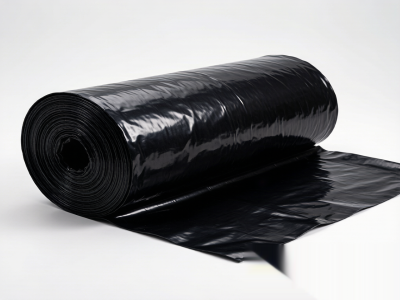
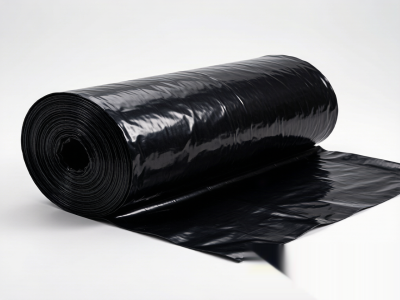
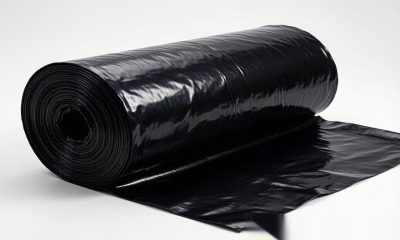
- PVC membrane structural sheet rolls (wrapped in protective material)
- Installation manual
- Quality certificate
- Warranty document
FAQ
Q1: What is the typical lifespan of PVC membrane structural sheet?
A1: With proper maintenance, it can last 15-25 years, depending on environmental conditions and usage.
Q2: Can the membrane be recycled?
A2: Yes, PVC membrane can be recycled, but it requires specialized facilities. Contact your supplier for recycling options.
Q3: Is the membrane resistant to UV radiation?
A3: Yes, the PVC coating includes UV stabilizers to prevent degradation from sunlight.
Q4: Can it be used in cold climates?
A4: Yes, it remains flexible at low temperatures, but installation should be done in moderate conditions to avoid stress.
Q5: How do I clean the membrane without damaging it?
A5: Use mild soap and water, and avoid high-pressure washing or harsh chemicals.